What Makes Deep Groove Ball Bearings Essential for Modern Machinery?
Deep groove ball bearings are among the most widely used rolling bearings in the global mechanical and industrial sector. Known for their simple structure, high rotational speed capability, low friction, and long service life, they are indispensable components in electric motors, automotive systems, industrial equipment, household appliances, and precision instruments. This article provides an in-depth, professional, and authoritative overview of deep groove ball bearings, exploring their design, performance advantages, application scenarios, selection criteria, and future trends.
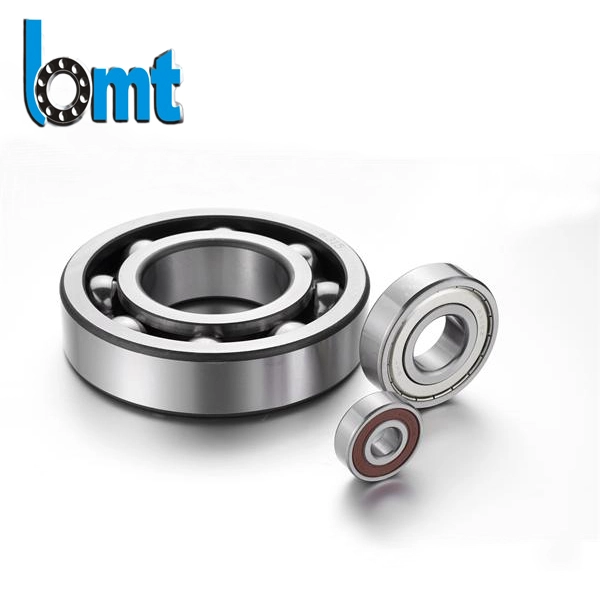
Abstract
This article explains what deep groove ball bearings are, how they work, and why they remain the preferred choice for high-speed and low-noise applications. It also compares bearing variants such as sealed deep groove ball bearings, shielded bearings, and single-row deep groove ball bearings. With technical tables, FAQs, and references to international standards, this guide is designed for engineers, buyers, and decision-makers seeking reliable bearing solutions from experienced manufacturers like Ningbo Demy (D&M) Bearings Co., Ltd.
Table of Contents
- What Are Deep Groove Ball Bearings?
- How Is the Structure of Deep Groove Ball Bearings Designed?
- Why Do Deep Groove Ball Bearings Offer Superior Performance?
- Which Types of Deep Groove Ball Bearings Are Available?
- What Applications Rely on Deep Groove Ball Bearings?
- How Should Deep Groove Ball Bearings Be Selected?
- What Standards and Certifications Apply?
- Frequently Asked Questions
- References
What Are Deep Groove Ball Bearings?
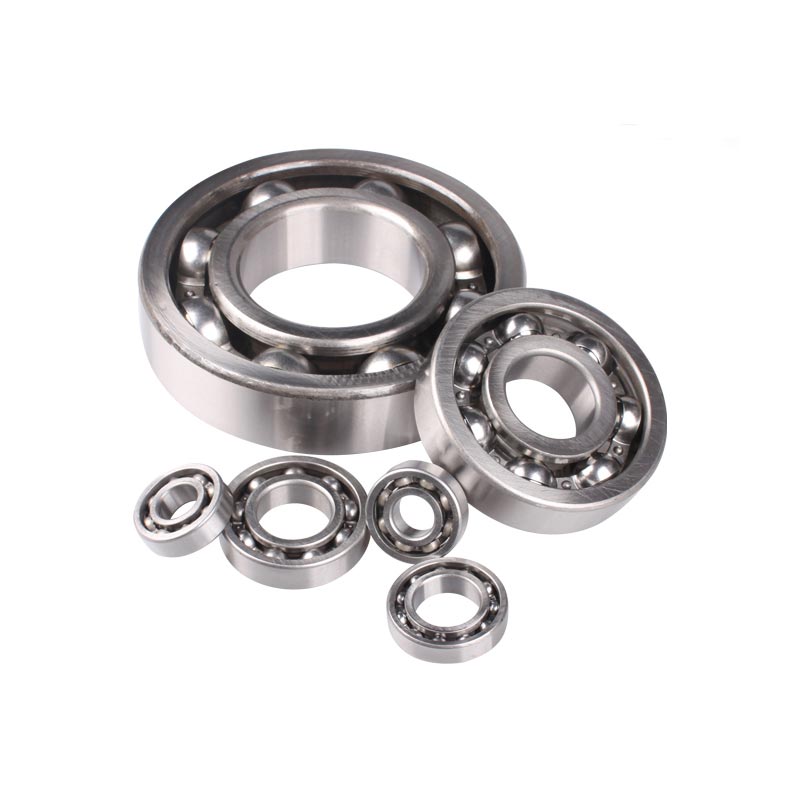
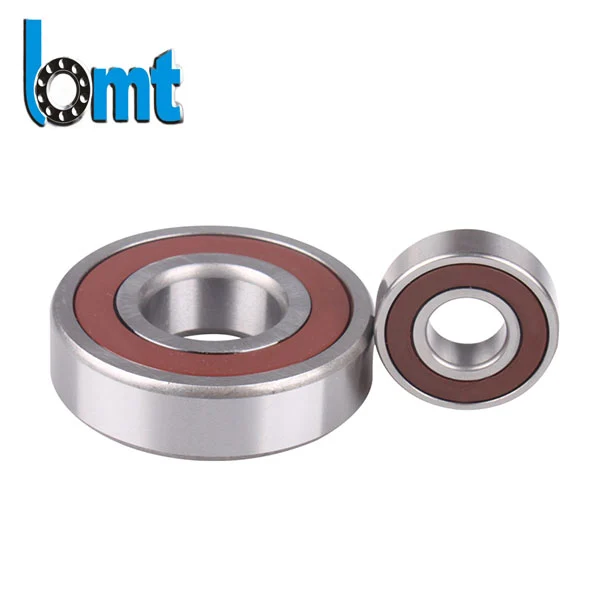
Deep groove ball bearings are rolling-element bearings characterized by deep raceway grooves in both the inner and outer rings. These grooves closely match the radius of the balls, allowing the bearing to support radial loads and moderate axial loads in both directions. Because of this design, deep groove ball bearings are often the first choice for applications requiring high-speed rotation, low vibration, and minimal maintenance.
They are commonly referred to using expanded keywords such as high-speed ball bearings, precision deep groove bearings, electric motor bearings, and low-noise ball bearings, reflecting their versatility across industries.
How Is the Structure of Deep Groove Ball Bearings Designed?
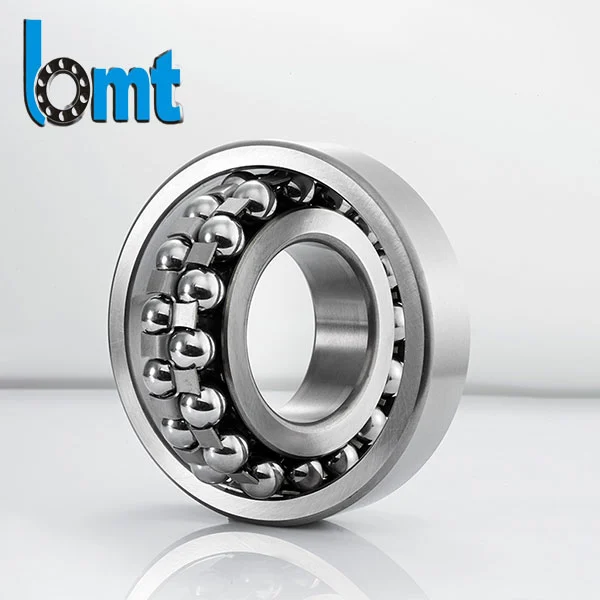
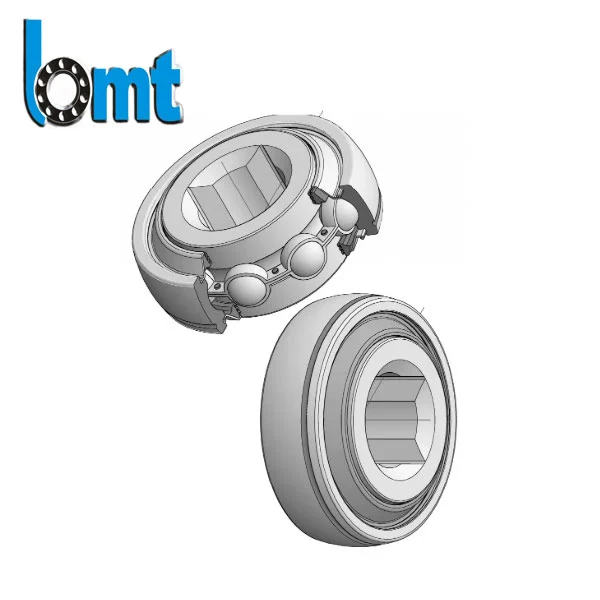
A standard deep groove ball bearing consists of four main components: an inner ring, an outer ring, rolling balls, and a cage. Optional elements include seals or shields to enhance lubrication retention and contamination resistance.
| Component | Function | Common Materials |
|---|---|---|
| Inner Ring | Rotates with the shaft | Chrome steel (GCr15) |
| Outer Ring | Fits into housing | Chrome steel / stainless steel |
| Balls | Reduce friction and transmit load | Steel or ceramic |
| Cage | Separates and guides balls | Steel, brass, or polyamide |
Why Do Deep Groove Ball Bearings Offer Superior Performance?
Deep groove ball bearings are valued for their balanced performance characteristics. Their low friction coefficient allows for efficient energy transmission, while the symmetrical groove design ensures stability during high-speed operation.
- High limiting speed
- Low noise and vibration
- Simple installation
- Minimal maintenance requirements
- Long operational life
Manufacturers such as Ningbo Demy (D&M) Bearings Co., Ltd. optimize these performance factors through precision grinding, strict quality control, and advanced heat treatment processes.
Which Types of Deep Groove Ball Bearings Are Available?
To meet different operating environments, deep groove ball bearings are available in multiple configurations:
- Single-row deep groove ball bearings
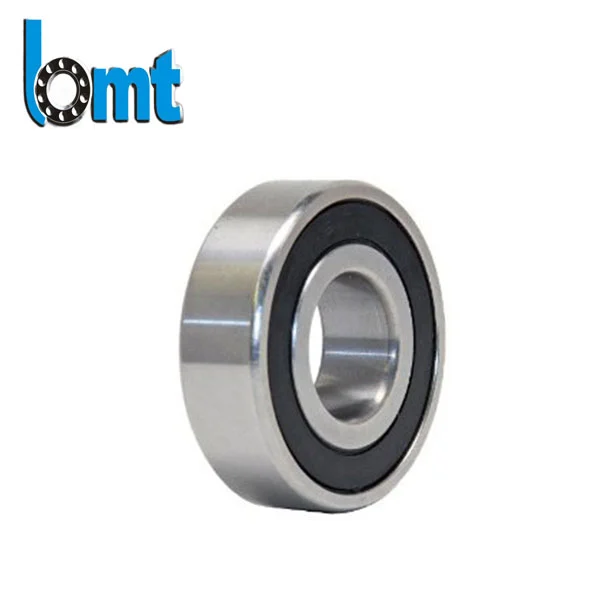
- Sealed deep groove ball bearings (2RS)
- Shielded deep groove ball bearings (ZZ)
- Stainless steel deep groove ball bearings
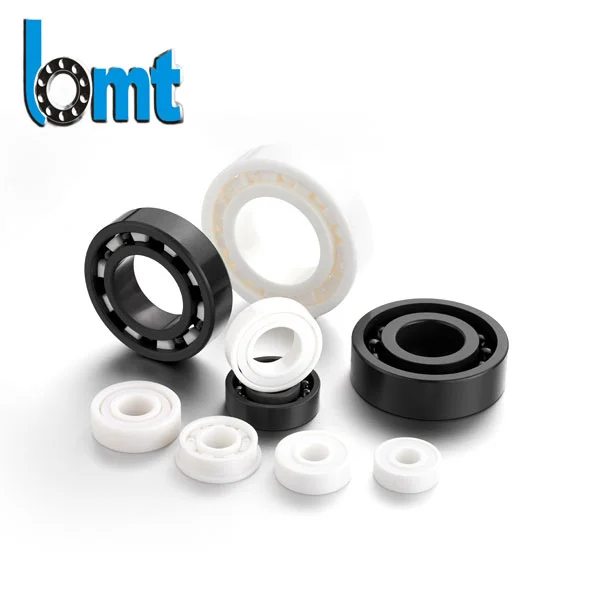
- Ceramic hybrid deep groove ball bearings
Each type is designed to address specific requirements such as moisture resistance, high-speed operation, or low-noise performance.
What Applications Rely on Deep Groove Ball Bearings?
Deep groove ball bearings are used in a wide range of industries due to their adaptability and reliability.
- Electric motors and generators
- Automotive transmissions and alternators
- Industrial pumps and compressors
- Home appliances such as washing machines
- Medical and precision equipment
For more insights into bearing solutions for industrial machinery, visit deep groove ball bearing manufacturers.
How Should Deep Groove Ball Bearings Be Selected?
Selecting the correct deep groove ball bearing involves evaluating operating conditions such as load type, speed, temperature, and environmental exposure. Proper selection improves efficiency and extends service life.
Key selection factors include bearing size, clearance class, sealing type, and lubrication method. Working with experienced suppliers like Ningbo Demy (D&M) Bearings Co., Ltd. ensures technical guidance and consistent quality.
What Standards and Certifications Apply?
Deep groove ball bearings are manufactured according to internationally recognized standards to ensure interchangeability and reliability.
- ISO 15 – Boundary dimensions
- ISO 492 – Tolerance classes
- DIN 625 – German bearing standards
- ANSI/ABMA standards
Frequently Asked Questions
What loads can deep groove ball bearings handle?
Deep groove ball bearings primarily support radial loads and can handle moderate axial loads in both directions, making them highly versatile.
Why are sealed deep groove ball bearings used?
Sealed deep groove ball bearings prevent dust, moisture, and contaminants from entering the bearing, extending service life and reducing maintenance.
Which industries benefit most from deep groove ball bearings?
Industries such as automotive, electric motors, industrial manufacturing, and home appliances rely heavily on deep groove ball bearings.
How long do deep groove ball bearings last?
Bearing lifespan depends on load, speed, lubrication, and environment, but properly selected bearings can operate reliably for thousands of hours.
What makes Ningbo Demy (D&M) Bearings Co., Ltd. a trusted supplier?
The company combines decades of manufacturing experience, strict quality control, and compliance with global standards to deliver consistent performance.
References
- ISO 15: Rolling bearings — Radial bearings — Boundary dimensions
- ISO 492: Rolling bearings — Radial bearings — Tolerances
- SKF Bearing Technical Handbook
- ANSI/ABMA Rolling Bearing Standards
Related News
- Why Are 206KRRB6 Hex Bore Series Agricultural Bearings a Smart Choice for Demanding Farm Machinery
- Why Are BAA-0003 Agricultural Hub Units a Smart Choice for Demanding Farm Machinery
- Why Are GW208PPB5 Square Bore Agricultural Bearings a Smart Choice for Demanding Farm Machinery
- How Does a Deep Groove Ball Bearing Improve Machine Performance?
- How Do Turbocharger Bearings Improve Turbocharger Performance and Reliability?
- How Do Clutch Release Bearings Improve Vehicle Performance and Driving Comfort?
Leave me a message