What Is a Motorcycle Crankshaft Bearing and Why Does It Matter for Engine Longevity
A motorcycle crankshaft bearing plays a decisive role in engine stability, rotational accuracy, and long-term durability. Yet, it is often overlooked until catastrophic engine failure occurs. In this in-depth guide, we explore what a motorcycle crankshaft bearing is, how it works, why it is critical to engine longevity, and how to select a reliable bearing for modern motorcycle engines.
Table of Contents
- 1. What Is a Motorcycle Crankshaft Bearing?
- 2. How Does a Motorcycle Crankshaft Bearing Work?
- 3. Why Is the Motorcycle Crankshaft Bearing Critical to Engine Longevity?
- 4. Types of Motorcycle Crankshaft Bearings
- 5. Bearing Materials and Their Impact on Performance
- 6. Common Causes of Motorcycle Crankshaft Bearing Failure
- 7. Symptoms of a Worn or Damaged Crankshaft Bearing
- 8. How to Choose the Right Motorcycle Crankshaft Bearing
- 9. Manufacturing Precision and Quality Control
- 10. Maintenance Tips to Extend Bearing Life
- 11. Frequently Asked Questions (FAQ)
1. What Is a Motorcycle Crankshaft Bearing?
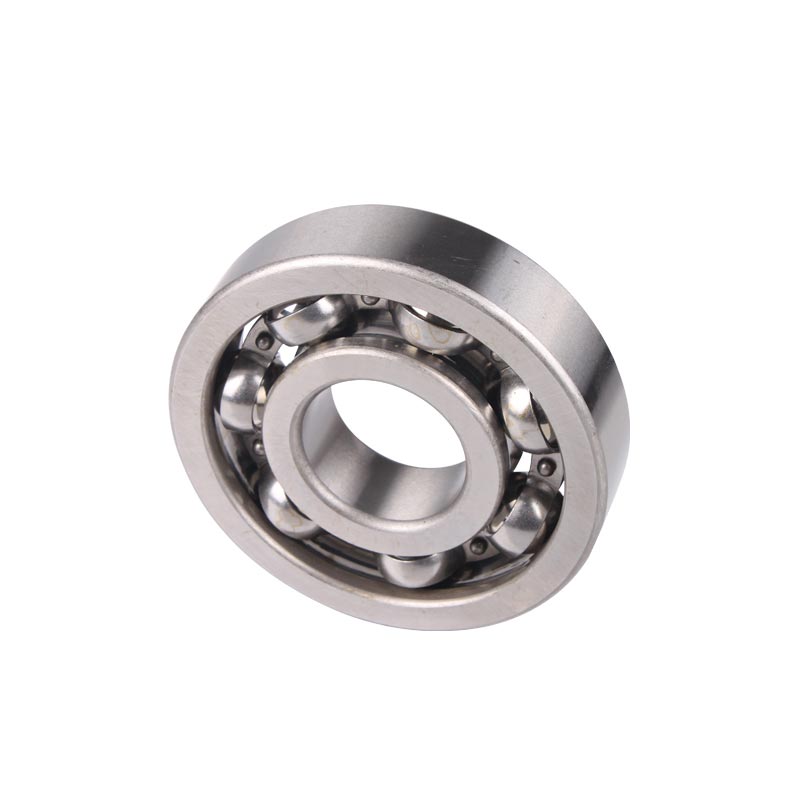
A motorcycle crankshaft bearing is a precision-engineered mechanical component designed to support the crankshaft and allow it to rotate smoothly under high loads and extreme speeds. Positioned between the crankshaft journals and the engine casing, the bearing minimizes friction, maintains alignment, and absorbs both radial and axial forces generated during combustion.
Unlike generic bearings, motorcycle crankshaft bearings must endure rapid acceleration, high RPM cycles, fluctuating temperatures, and continuous lubrication challenges. This makes their design and material selection far more critical than many riders realize.
2. How Does a Motorcycle Crankshaft Bearing Work?
The primary function of a motorcycle crankshaft bearing is to create a low-friction interface between the rotating crankshaft and the stationary engine block. By maintaining a thin film of lubricating oil, the bearing prevents direct metal-to-metal contact.
- Supports crankshaft rotation at high RPM
- Maintains precise shaft alignment
- Reduces mechanical friction and heat
- Absorbs combustion-induced shock loads
Without a properly functioning motorcycle crankshaft bearing, even the most powerful engine would quickly suffer from excessive wear, vibration, and eventual seizure.
3. Why Is the Motorcycle Crankshaft Bearing Critical to Engine Longevity?
Engine longevity is directly linked to bearing health. A high-quality motorcycle crankshaft bearing ensures stable oil clearance, balanced load distribution, and consistent rotational accuracy. When bearings degrade, microscopic wear particles contaminate engine oil, accelerating damage across pistons, cylinders, and camshafts.
From an engineering perspective, crankshaft bearing failure is rarely an isolated issue. It often triggers a chain reaction that shortens engine life dramatically.
4. Types of Motorcycle Crankshaft Bearings
| Type | Structure | Typical Application |
|---|---|---|
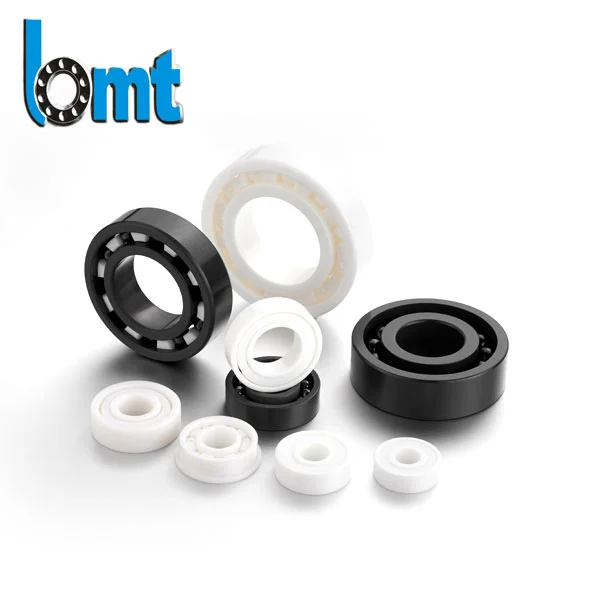
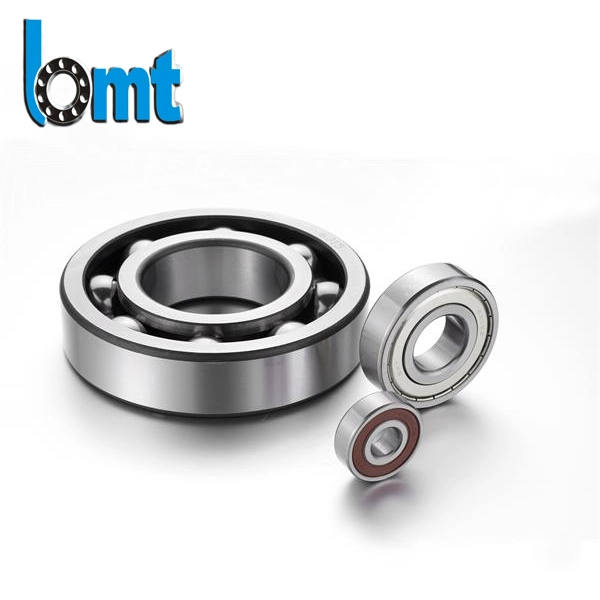
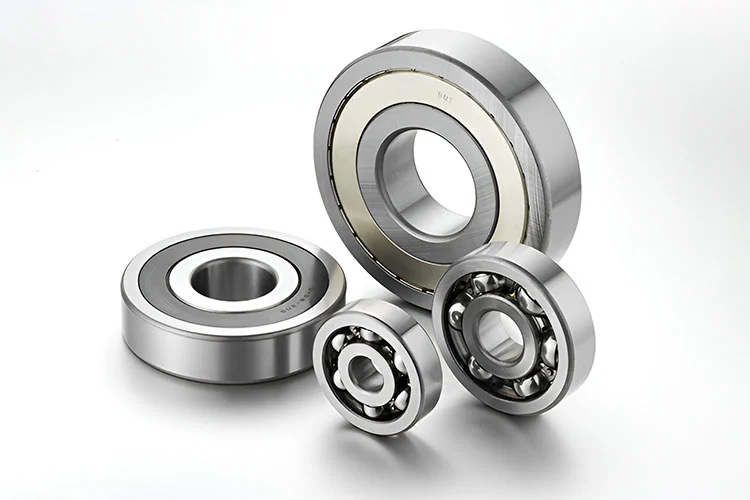
| Ball Bearing | Rolling elements with cages | High-speed, low-friction engines |
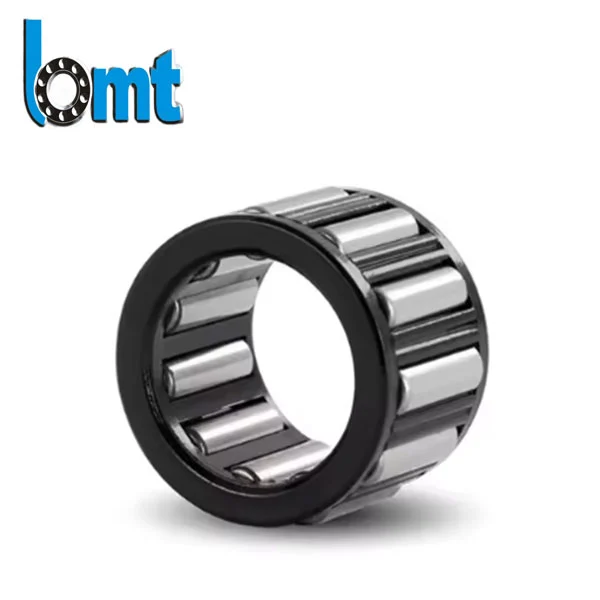
| Roller Bearing | Cylindrical rollers | High-load motorcycle engines |
| Plain Bearing | Oil film-based sliding surface | Modern four-stroke motorcycles |
5. Bearing Materials and Their Impact on Performance
Material selection defines the durability and load tolerance of a motorcycle crankshaft bearing. Common materials include:
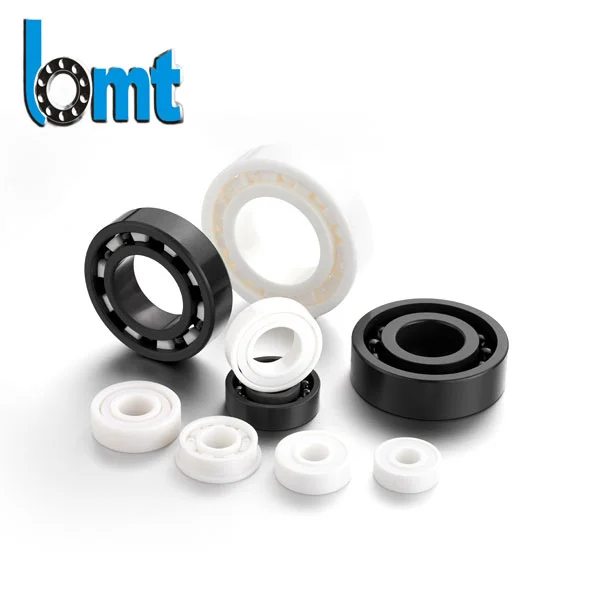
- Steel alloys for structural strength
- Copper-lead alloys for fatigue resistance
- Aluminum-based composites for heat dissipation
At BMT, advanced metallurgy and surface treatments are applied to ensure consistent performance under demanding riding conditions.
6. Common Causes of Motorcycle Crankshaft Bearing Failure
- Insufficient lubrication
- Oil contamination
- Improper installation tolerances
- Excessive engine load or overheating
Understanding these failure modes allows riders and manufacturers to design better maintenance strategies and select more reliable motorcycle crankshaft bearings.
7. Symptoms of a Worn or Damaged Crankshaft Bearing
Early detection can save an engine. Common warning signs include:
- Knocking or rumbling engine noise
- Drop in oil pressure
- Metal particles in engine oil
- Increased vibration
8. How to Choose the Right Motorcycle Crankshaft Bearing
Selecting the correct motorcycle crankshaft bearing depends on engine design, operating RPM, load requirements, and lubrication systems. Always verify:
- OEM compatibility
- Material grade
- Manufacturing tolerances
For detailed specifications, refer to authoritative sources such as motorcycle crankshaft bearing technical data .
9. Manufacturing Precision and Quality Control
Precision machining, surface finishing, and strict inspection protocols are non-negotiable for crankshaft bearings. BMT applies multi-stage quality control to ensure dimensional accuracy, surface integrity, and fatigue resistance.
10. Maintenance Tips to Extend Bearing Life
- Use manufacturer-recommended engine oil
- Change oil at proper intervals
- Avoid prolonged high-RPM operation during break-in
- Monitor oil pressure regularly
11. Frequently Asked Questions (FAQ)
How long does a motorcycle crankshaft bearing last?
With proper lubrication and maintenance, a high-quality motorcycle crankshaft bearing can last the full lifespan of the engine.
Can a damaged crankshaft bearing be repaired?
In most cases, replacement is recommended rather than repair to ensure engine safety.
Is bearing quality more important than brand?
Engineering standards, materials, and quality control matter more than branding alone.
A motorcycle crankshaft bearing is far more than a supporting component—it is the foundation of engine reliability and longevity. By understanding its function, failure modes, and selection criteria, riders and manufacturers can significantly reduce risk and improve performance. If you are seeking reliable, precision-engineered solutions backed by manufacturing expertise, BMT is ready to support your project—contact us today to discuss your requirements.
Related News
- Why Are 206KRRB6 Hex Bore Series Agricultural Bearings a Smart Choice for Demanding Farm Machinery
- Why Are BAA-0003 Agricultural Hub Units a Smart Choice for Demanding Farm Machinery
- Why Are GW208PPB5 Square Bore Agricultural Bearings a Smart Choice for Demanding Farm Machinery
- How Does a Deep Groove Ball Bearing Improve Machine Performance?
- How Do Turbocharger Bearings Improve Turbocharger Performance and Reliability?
- How Do Clutch Release Bearings Improve Vehicle Performance and Driving Comfort?
Leave me a message