Bearing Steel Ball
In precision mechanical systems, Bearing Steel Balls are core rolling elements that affect load capacity, friction behavior, and operational stability of bearings. BMT manufactures steel balls used in automotive systems, industrial machinery, and precision bearing assemblies.
Dimensional Grades and Standards
Bearing steel balls are classified according to ISO 3290 and ABMA standards based on diameter tolerance, sphericity, and surface roughness. Different grades are selected according to application requirements such as precision level and operating load.
| Grade | Diameter Tolerance (µm) | Sphericity (µm) | Surface Roughness (Ra µm) | Application |
|---|---|---|---|---|
| G3 | ±0.08 | 0.08 | 0.012 | Precision instruments, aerospace bearings |
| G5 | ±0.13 | 0.13 | 0.020 | Machine tool spindles |
| G10 | ±0.25 | 0.25 | 0.025 | General precision bearings |
| G16 | ±0.40 | 0.40 | 0.032 | Bicycle components, wheels |
| G28 | ±0.70 | 0.70 | 0.040 | Industrial casters, general applications |
Manufacturing Process
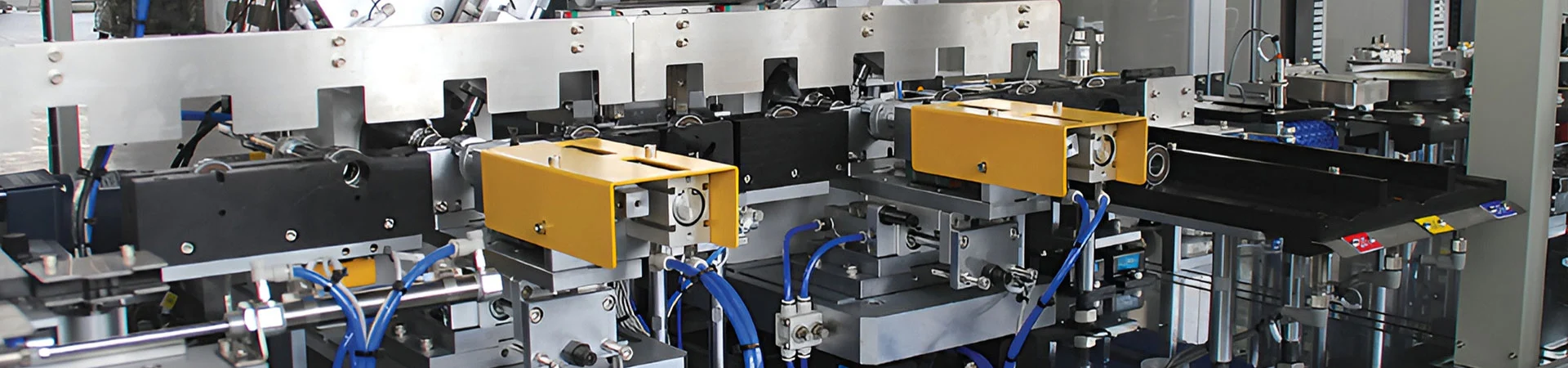
BMT has specialized in bearing component manufacturing since 2004. Production is carried out using automated processing lines and controlled quality inspection systems.
- Wire cutting and cold heading forming
- Flash removal and preliminary shaping
- Heat treatment for hardness and strength control
- Grinding for dimensional accuracy
- Lapping for surface finish and roundness control
- Cleaning, inspection, and grading classification
Each batch is inspected for dimensional accuracy, surface condition, and hardness consistency before shipment.
Quality System
Production follows ISO 9001 and IATF 16949 quality management systems. Inspection covers raw material verification, in-process control, and final product testing to ensure consistency across production batches.
BMT supplies bearing steel balls to customers in Europe, North America, Southeast Asia, and the Middle East for OEM manufacturing and industrial applications.
Production Workshop Video
The following video shows BMT production workshop operations for bearing components, including machining and processing flow control.
FAQ
What is the most common material for bearing balls?
AISI 52100 chrome steel is commonly used due to its hardness, wear resistance, and suitability for general bearing applications.
What is the difference between chrome steel and stainless steel bearing balls?
Chrome steel provides higher hardness and load capacity, while stainless steel provides better corrosion resistance and is used in environments such as food processing and marine applications.
- View as
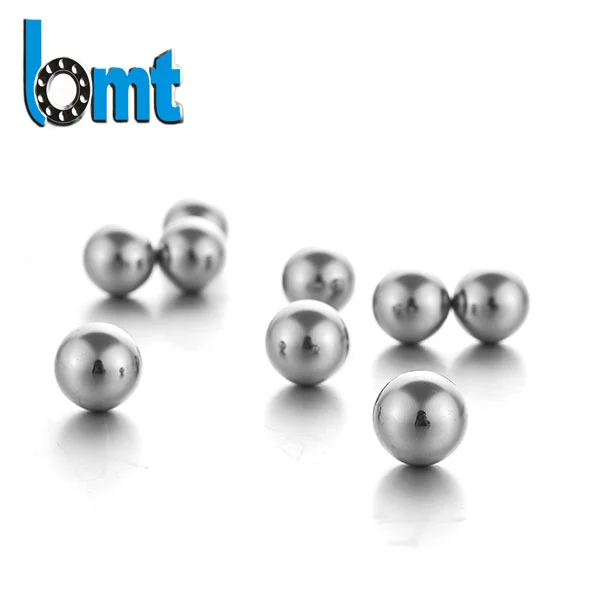
Ball Bearing Steel Ball
BMT Bearings supplies high-precision Ball Bearing Steel Ball solutions for global bearing distributors, industrial equipment manufacturers, and OEM buyers. Manufactured with strict dimensional control, stable hardness, and smooth surface finishing, our steel balls deliver low noise, long service life, and reliable rotation performance for motors, pumps, automotive systems, and household appliances.
As a reliable manufacturer and supplier of Bearings in China, we have our own factory. If you are looking to purchase high-quality Bearings. please contact us.