Special Material Bearings
✈️ Aerospace Grade 🏭 Semiconductor Compatible ⚕️ FDA Compliant
What Are Special Material Bearings?
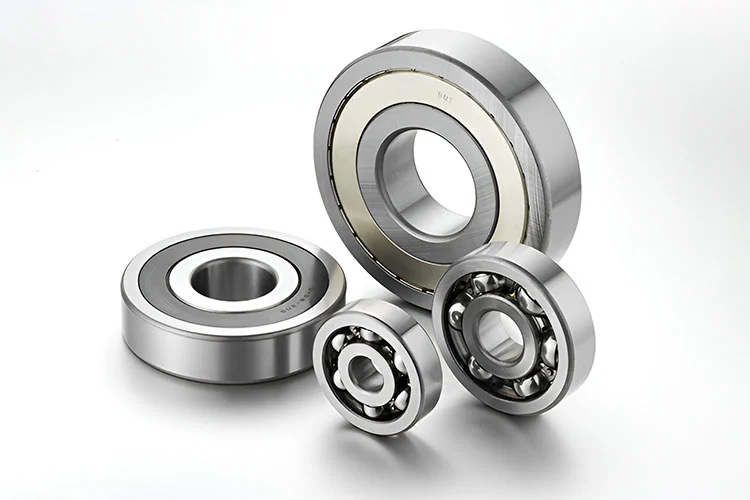
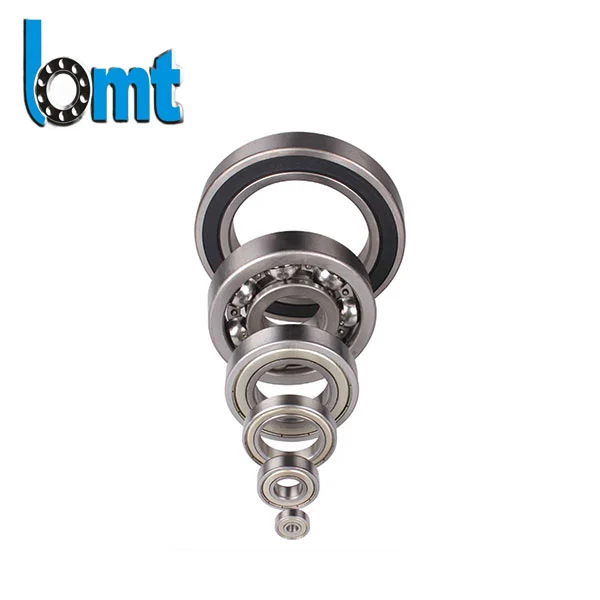
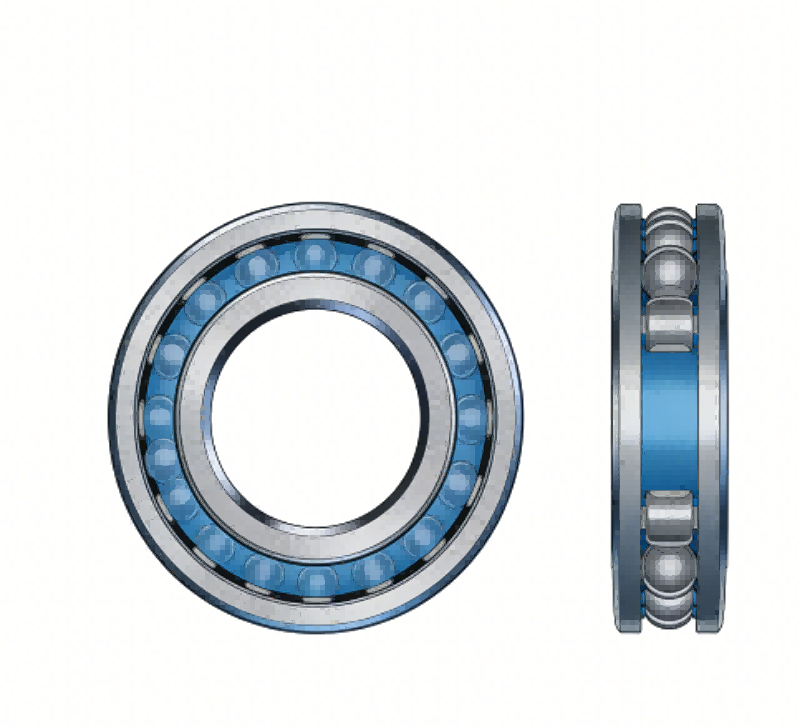
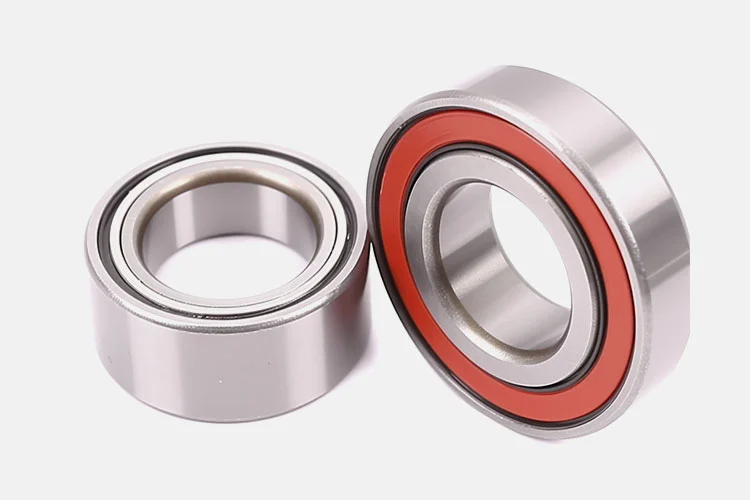
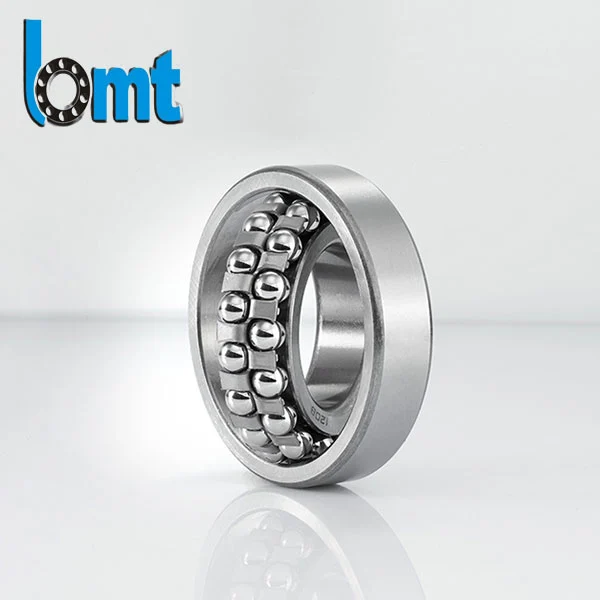
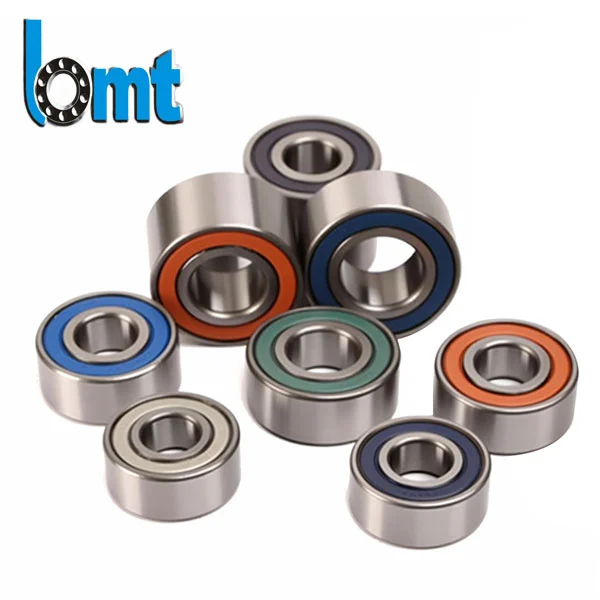
As a professional Chinese bearing manufacturer, BMT produces specialty material bearings designed to operate in conditions where standard steel bearings may fail. Unlike traditional bearings made of chrome steel, specialty material bearings are constructed from materials such as ceramics, high-performance polymers, and specialized alloys. These materials offer strong corrosion resistance, high and low temperature tolerance, vacuum operation, compatibility with corrosive chemicals, and excellent performance at high speeds. Our bearings are primarily used in a variety of industries, including aerospace, food processing, semiconductor manufacturing, and medical devices, offering long service life.
Advantages
Bearings made from specialized materials offer advantages and greater durability in specialized environments or applications.
-
Durability and Long Service Life
Materials such as silicon nitride ceramic and PEEK polymer offer excellent wear resistance, resulting in a long service life even under continuous operation. -
Corrosion Resistance
Made from stainless steel, titanium alloy, or ceramic, these bearings are virtually resistant to rust and corrosion, making them ideal for harsh environments such as chemical processing or marine applications. -
Extreme Temperature Performance
Special materials enable operation over a wider temperature range: from -50°C to over 800°C. -
Non-Magnetic and Electrically Insulating Properties
Ceramic bearings are non-conductive and non-magnetic, making them crucial for medical MRI machines, semiconductor wafer processing, and other sensitive electronic equipment.
Industry Applications
✈️ Aerospace
Hybrid ceramic bearings for jet engine actuators. Operates at -50°C to +300°C, up to 30,000 RPM.
🏭 Semiconductor
PEEK bearings for wafer handling robots. Cleanroom compatible, vacuum operation, no lubrication required.
⚕️ Medical Devices
Zirconia ceramic bearings for MRI-compatible surgical tools. Non-magnetic, non-conductive, biocompatible.
Material Properties Comparison
Performance Specifications by Bearing Type
FAQ
What are the main differences between standard bearings and specialty material bearings?
The distinction lies in their material composition and performance characteristics. Standard bearings are primarily made of carbon steel or chrome steel. Special material bearings, such as ceramics, specialized stainless steels, polymers, or titanium alloys, offer exceptional properties, such as corrosion and high-temperature resistance, and can operate smoothly in harsh environments or with minimal lubrication.
When should we consider using ceramic bearings?
Because their lower density reduces centrifugal forces, ceramic bearings should be considered in applications with very high speeds. Ceramic bearings are also crucial in highly corrosive environments, such as chemical pumps or marine equipment. Ceramic bearings, due to their insulating properties, are also essential in electrically sensitive applications and high-temperature environments, where steel would lose its hardness. They are also well-suited for applications requiring extremely cleanliness, such as food processing or semiconductor manufacturing, because they can run dry without lubricant.
Are hybrid bearings better than all-ceramic bearings?
Both have their advantages and are suitable for different applications. Hybrid bearings offer better cost-performance for high-speed applications. Steel rings offer high strength and durability to withstand mounting stresses and complex loading conditions, while ceramic balls, thanks to their light weight and smoothness, enable higher speeds. Full-ceramic bearings are suitable for extreme environments. They are a good choice for applications involving strong acids or bases that can corrode steel, or for extremely high temperature operation.
Need Special Material Bearings for Extreme Conditions?
Tell us your application requirements - temperature, load, speed, environment
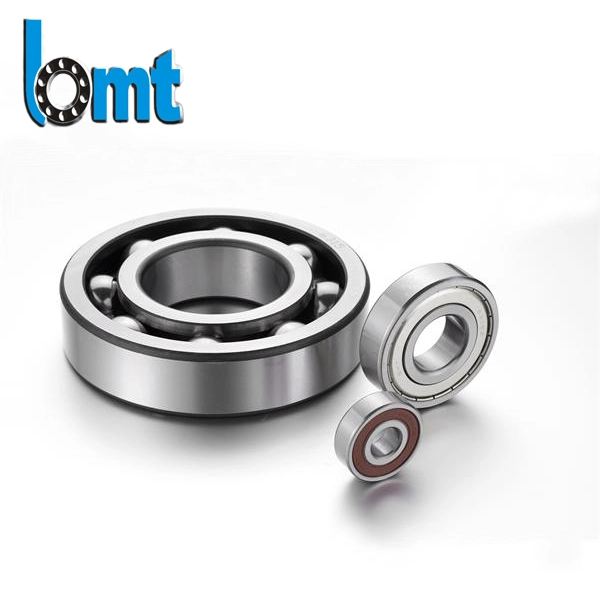
- View as
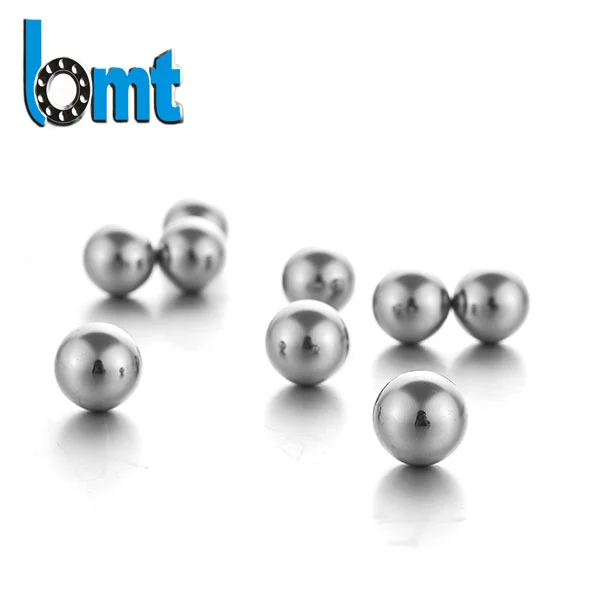
Ball Bearing Steel Ball
BMT Bearings supplies high-precision Ball Bearing Steel Ball solutions for global bearing distributors, industrial equipment manufacturers, and OEM buyers. Manufactured with strict dimensional control, stable hardness, and smooth surface finishing, our steel balls deliver low noise, long service life, and reliable rotation performance for motors, pumps, automotive systems, and household appliances.
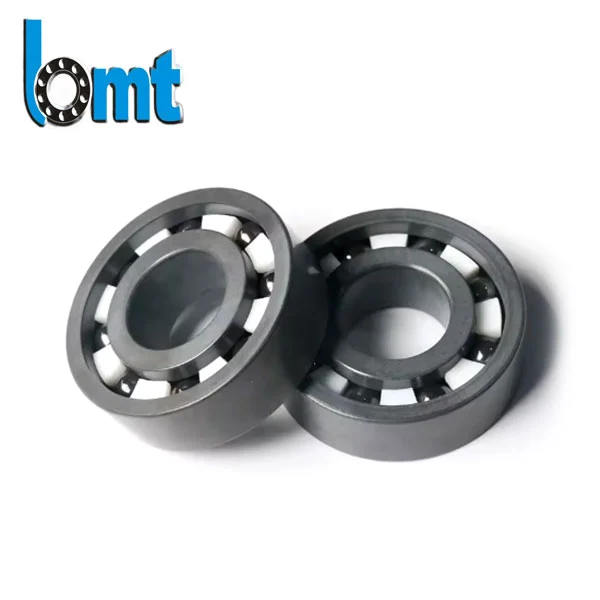
High Temperature Ball Bearing
BMT High Temperature Ball Bearing solutions for ovens, dryers, conveyor systems, motors, and industrial equipment operating under continuous heat conditions. Built with heat-resistant steel, stable lubrication systems, and precision grinding technology, our bearings help buyers reduce downtime, improve operating stability, and extend equipment service life in demanding industrial environments.
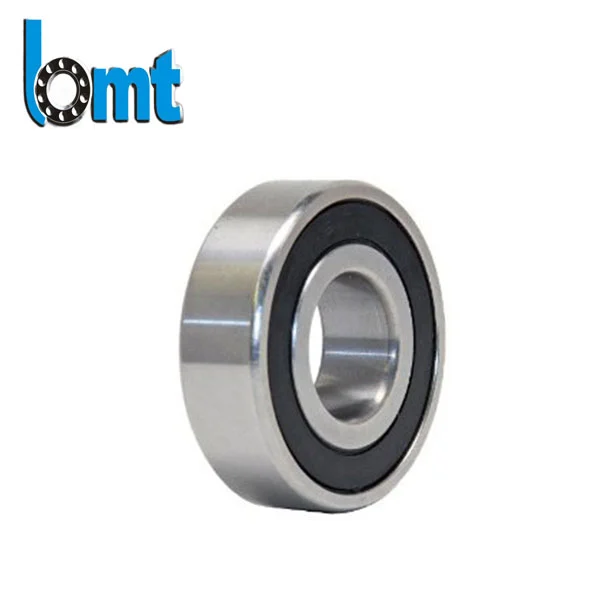
Stainless Steel Ball Bearing
BMT Bearings supplies high-precision Stainless Steel Ball Bearing solutions for customers who need corrosion resistance, stable rotation, and long service life in humid, chemical, food-grade, or outdoor environments. We manufacture stainless steel bearings with strict grinding accuracy, low-noise control, and reliable sealing performance for OEM buyers, distributors, and industrial equipment manufacturers worldwide.
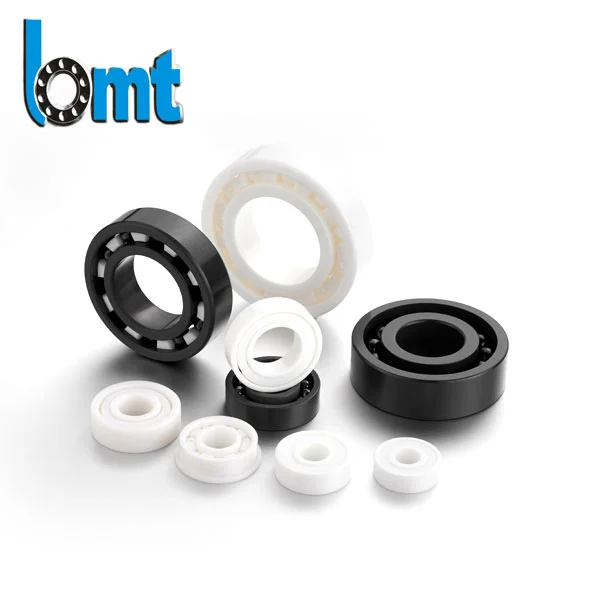
Ceramic Deep Groove Ball Bearings
BMT Bearings supplies high-precision Ceramic Deep Groove Ball Bearings for electric motors, pumps, medical devices, textile machinery, and high-speed industrial systems. Using silicon nitride ceramic balls, low-noise raceway grinding, and strict dimensional inspection, we help global buyers reduce heat generation, improve corrosion resistance, and extend bearing service life in demanding operating environments.
As a reliable manufacturer and supplier of Bearings in China, we have our own factory. If you are looking to purchase high-quality Bearings. please contact us.