Motorcycle Wheel Bearings: How Do They Affect Safety, Performance, and Riding Experience
Motorcycle wheel bearings are small but essential components that ensure smooth wheel rotation and safe riding. Without properly functioning bearings, motorcycles can suffer from vibration, instability, increased friction, and even dangerous wheel lock situations. High-quality bearings allow wheels to spin freely while supporting heavy loads and high rotational speeds.
In this comprehensive guide, we will explore everything riders, mechanics, and motorcycle enthusiasts need to know about motorcycle wheel bearings — from how they work and how to identify wear, to selecting the best replacement bearings for your bike. This article also includes expert insights from BMT, a professional manufacturer providing reliable bearing solutions for various motorcycle applications.
Table of Contents
- 1. What Are Motorcycle Wheel Bearings?
- 2. How Do Motorcycle Wheel Bearings Work?
- 3. Key Components of Motorcycle Wheel Bearings
- 4. Types of Motorcycle Wheel Bearings
- 5. Signs of Failing Motorcycle Wheel Bearings
- 6. How Motorcycle Wheel Bearings Affect Riding Performance
- 7. Choosing the Right Motorcycle Wheel Bearings
- 8. Installation and Maintenance Tips
- 9. Why Quality Bearings Matter for Motorcycle Safety
- 10. Frequently Asked Questions
1. What Are Motorcycle Wheel Bearings?
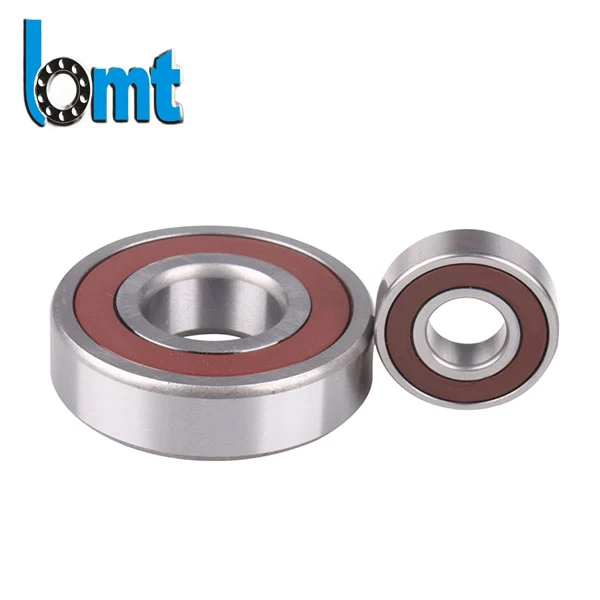
Motorcycle wheel bearings are mechanical components located inside the wheel hub. Their primary function is to allow the wheel to rotate smoothly with minimal friction while supporting the weight of the motorcycle and rider.
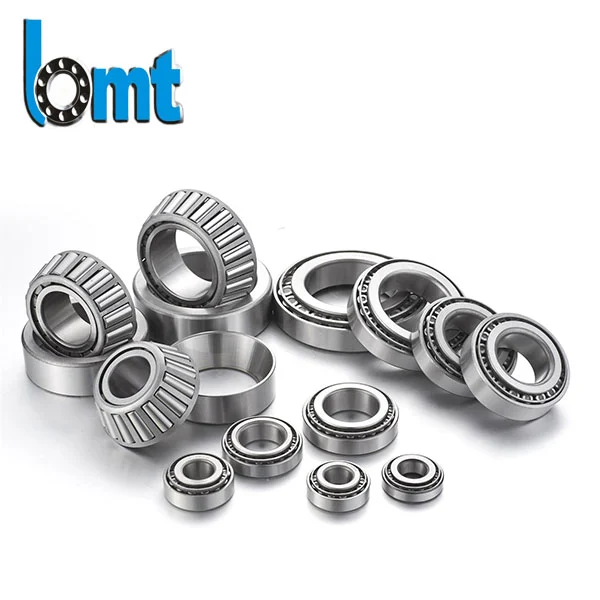
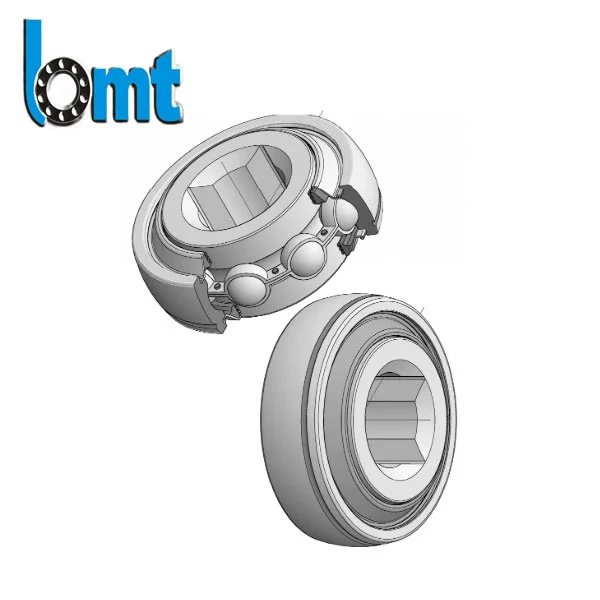
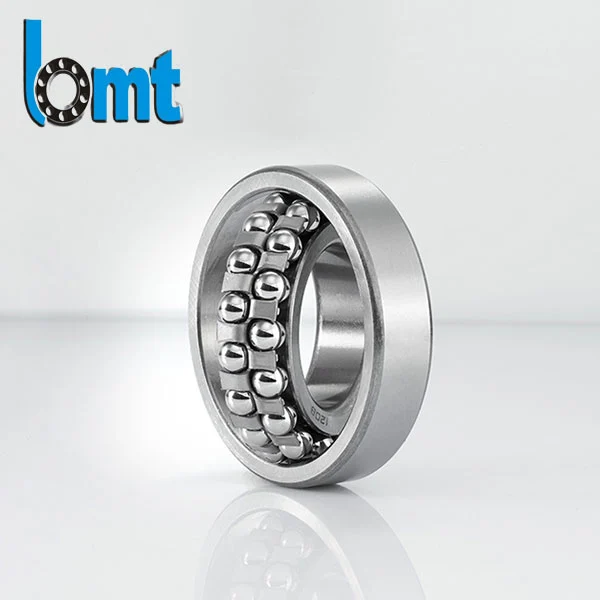
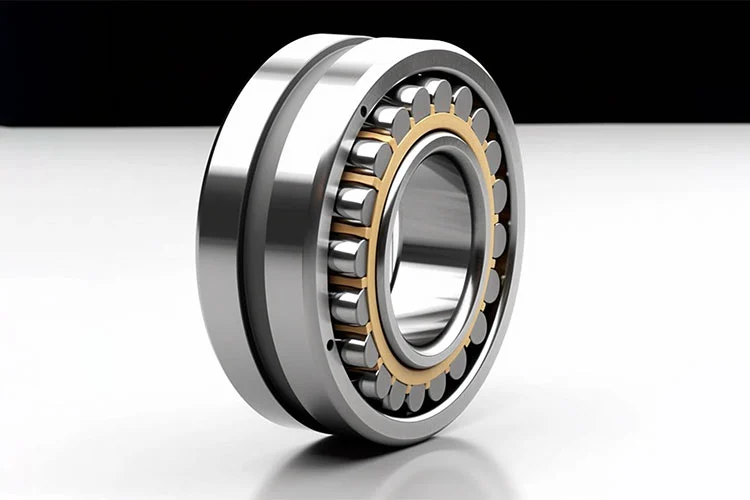
These bearings consist of steel balls or rollers housed between two rings known as the inner race and outer race. As the wheel spins, the rolling elements reduce friction and distribute loads evenly.
High-quality motorcycle wheel bearings, such as those provided by BMT, are engineered to withstand extreme speed, heavy loads, and harsh road conditions.
2. How Do Motorcycle Wheel Bearings Work?
Motorcycle wheel bearings work by allowing rotational movement between the wheel hub and axle. Without bearings, metal surfaces would rub directly against each other, causing friction, heat, and rapid wear.
The working principle is simple yet effective:
- The axle remains stationary.
- The wheel rotates around the axle.
- Bearings reduce friction between these moving parts.
- Rolling elements distribute weight and load.
Because motorcycles can reach high speeds, wheel bearings must maintain stability even under intense rotational forces.
3. Key Components of Motorcycle Wheel Bearings
Motorcycle wheel bearings consist of several essential components that work together to ensure smooth operation.
| Component | Function |
|---|---|
| Inner Ring | Connects to the axle and supports rotation |
| Outer Ring | Fits into the wheel hub |
| Rolling Elements | Reduce friction and carry loads |
| Cage | Keeps rolling elements evenly spaced |
| Seal or Shield | Protects bearings from dust, water, and contaminants |
4. Types of Motorcycle Wheel Bearings
There are several types of wheel bearings commonly used in motorcycles. Each type offers specific advantages depending on the riding conditions and design requirements.
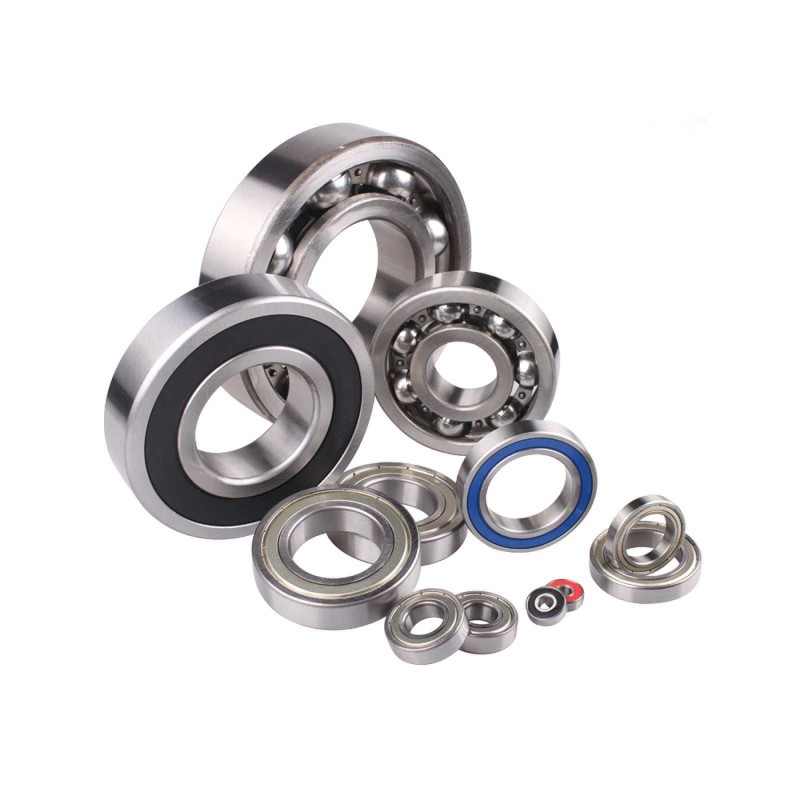
1. Ball Bearings
- Most common type
- Suitable for moderate loads and high speed
- Low friction
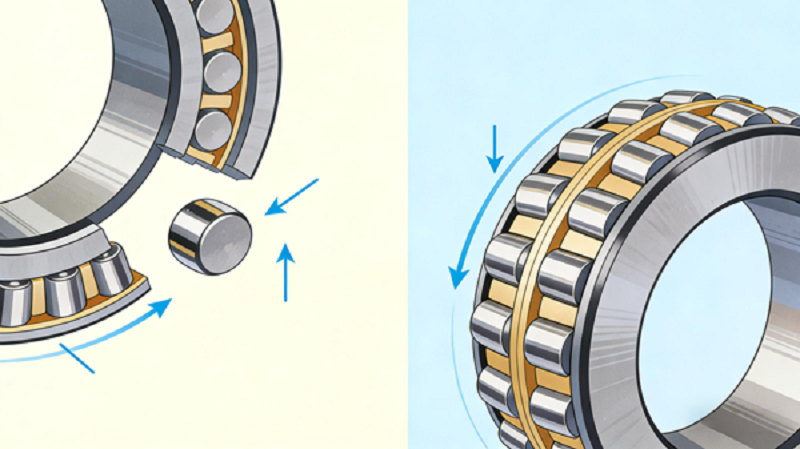
2. Roller Bearings
- Better load capacity
- Ideal for heavier motorcycles
- Durable under stress
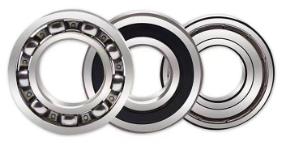
3. Sealed Bearings
- Pre-lubricated
- Protected from dirt and moisture
- Minimal maintenance
4. Ceramic Bearings
- High-performance applications
- Lower friction
- Longer lifespan
5. Signs of Failing Motorcycle Wheel Bearings
Recognizing early signs of wheel bearing failure can prevent accidents and costly repairs.
- Grinding or humming noise from wheels
- Wheel wobbling
- Uneven tire wear
- Reduced steering stability
- Excessive vibration while riding
If any of these symptoms appear, it is important to inspect the wheel bearings immediately.
6. How Motorcycle Wheel Bearings Affect Riding Performance
Motorcycle wheel bearings directly impact riding quality and safety. When bearings operate properly, riders experience smoother handling and better acceleration.
| Performance Factor | Impact of Quality Bearings |
|---|---|
| Stability | Improves control at high speeds |
| Friction | Reduces energy loss |
| Handling | Smoother turning and cornering |
| Durability | Extends wheel and tire life |
Professional manufacturers like BMT design precision bearings to enhance these performance aspects.
7. Choosing the Right Motorcycle Wheel Bearings
When selecting replacement wheel bearings, riders should consider several important factors:
- Material quality
- Load capacity
- Seal type
- Precision level
- Manufacturer reputation
Premium bearings ensure greater reliability and reduce the risk of premature failure.
8. Installation and Maintenance Tips
Proper installation and maintenance are critical for maximizing the lifespan of motorcycle wheel bearings.
Installation Tips
- Always use correct tools
- Avoid hammering bearings directly
- Ensure correct alignment
- Follow manufacturer torque specifications
Maintenance Tips
- Inspect bearings during tire replacement
- Keep seals intact
- Avoid high-pressure water directly on hubs
- Replace worn bearings promptly
9. Why Quality Bearings Matter for Motorcycle Safety
Motorcycle safety depends heavily on the reliability of mechanical components. A failed wheel bearing can lead to sudden wheel seizure or instability during high-speed riding.
High-precision bearings manufactured by companies like BMT undergo strict quality control to ensure durability, accuracy, and resistance to extreme riding conditions.
Investing in premium motorcycle wheel bearings not only improves riding comfort but also protects riders from potential hazards.
10. Frequently Asked Questions
How long do motorcycle wheel bearings last?
Most motorcycle wheel bearings last between 30,000 and 60,000 kilometers depending on riding conditions, maintenance, and bearing quality.
Can I ride with a bad wheel bearing?
Riding with a worn wheel bearing is dangerous. It can cause wheel instability and may lead to sudden failure while riding.
How much does it cost to replace motorcycle wheel bearings?
The cost varies depending on the motorcycle model and bearing quality. However, replacing them early is far cheaper than repairing wheel or hub damage.
Are sealed bearings better for motorcycles?
Sealed bearings are often preferred because they are protected from dust, dirt, and moisture, making them more durable for everyday riding.
How can I check motorcycle wheel bearings?
Lift the motorcycle wheel and spin it. If you hear noise, feel roughness, or notice wobbling, the bearings may require replacement.
Conclusion
Motorcycle wheel bearings may be small components, but they play a critical role in ensuring smooth wheel rotation, stable handling, and rider safety. Understanding how these bearings function and recognizing early warning signs of wear can prevent mechanical failures and enhance overall riding performance.
By choosing high-quality bearings from trusted manufacturers such as BMT, riders can significantly improve the reliability and lifespan of their motorcycles. Whether you are a daily commuter, a touring enthusiast, or a performance rider, investing in precision wheel bearings is essential for maintaining optimal riding conditions.
If you are looking for reliable motorcycle bearing solutions, professional technical support, or customized products, feel free to contact us today to learn how we can support your motorcycle component needs.
Related News
- Why Are 206KRRB6 Hex Bore Series Agricultural Bearings a Smart Choice for Demanding Farm Machinery
- Why Are BAA-0003 Agricultural Hub Units a Smart Choice for Demanding Farm Machinery
- Why Are GW208PPB5 Square Bore Agricultural Bearings a Smart Choice for Demanding Farm Machinery
- How Does a Deep Groove Ball Bearing Improve Machine Performance?
- How Do Turbocharger Bearings Improve Turbocharger Performance and Reliability?
- How Do Clutch Release Bearings Improve Vehicle Performance and Driving Comfort?
Leave me a message