How should we deal with abnormal overheating?
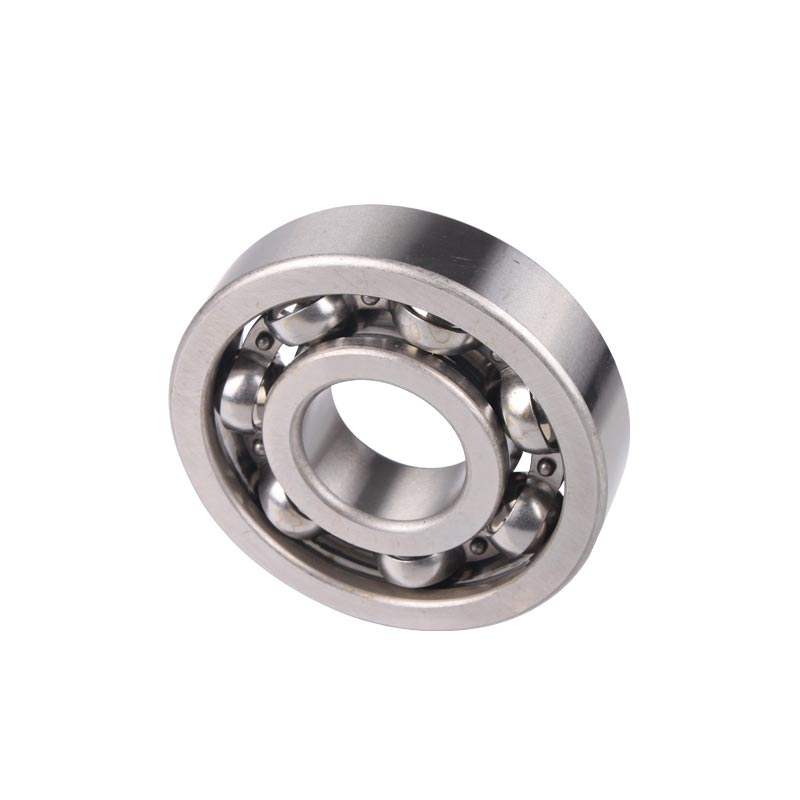
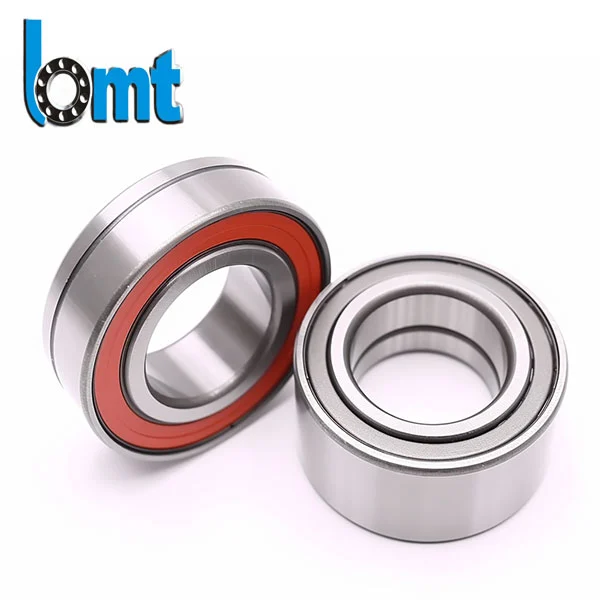
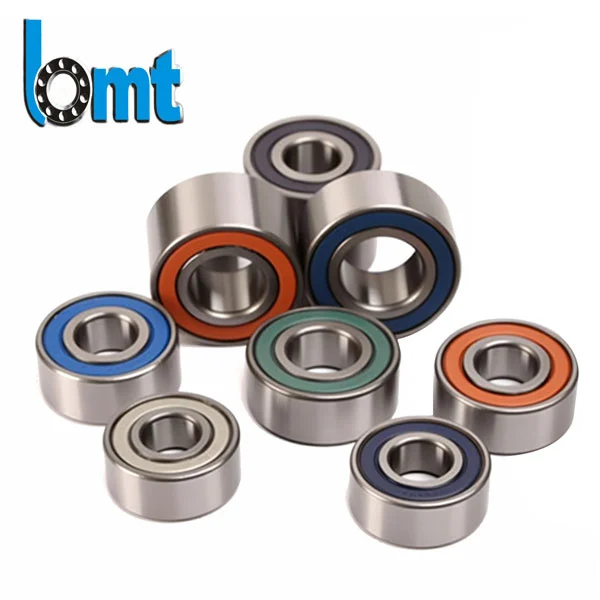
In industrial equipment, rolling bearings play a pivotal part, acting like the "joints" of precision machinery, supporting the smooth operation of rotating components. However, have you ever noticed that rolling bearings generate heat during operation? What scientific principles lie behind this? How much heat is considered abnormal? And how should we deal with abnormal overheating? Today, let's solve bearing heat generation and safeguard the healthy operation of your equipment.
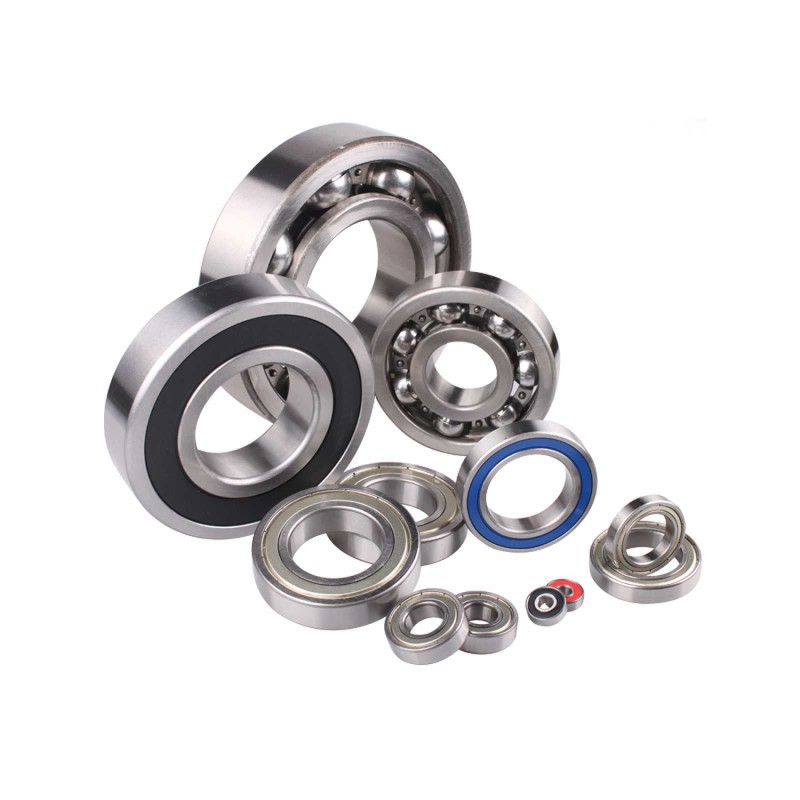
1.Why do rolling bearings generate heat during operation?
The lubricant plays a role in lubrication and cooling during bearing operation, but if the lubricant is insufficient or lubrication is poor, friction intensifies, and heat generation becomes more pronounced.
 、
、
2. What Constitutes Abnormal Heating?
Under normal circumstances, the temperature of rolling bearings gradually increases after startup and remains relatively stable within a certain range after stable operation. Generally, the temperature rise of the bearing should not exceed a certain proportion of the ambient temperature. Different equipment has different heat dissipation conditions, so the stable temperature of the bearings varies. However, generally speaking, the bearing should not be the main heat source of the entire equipment.

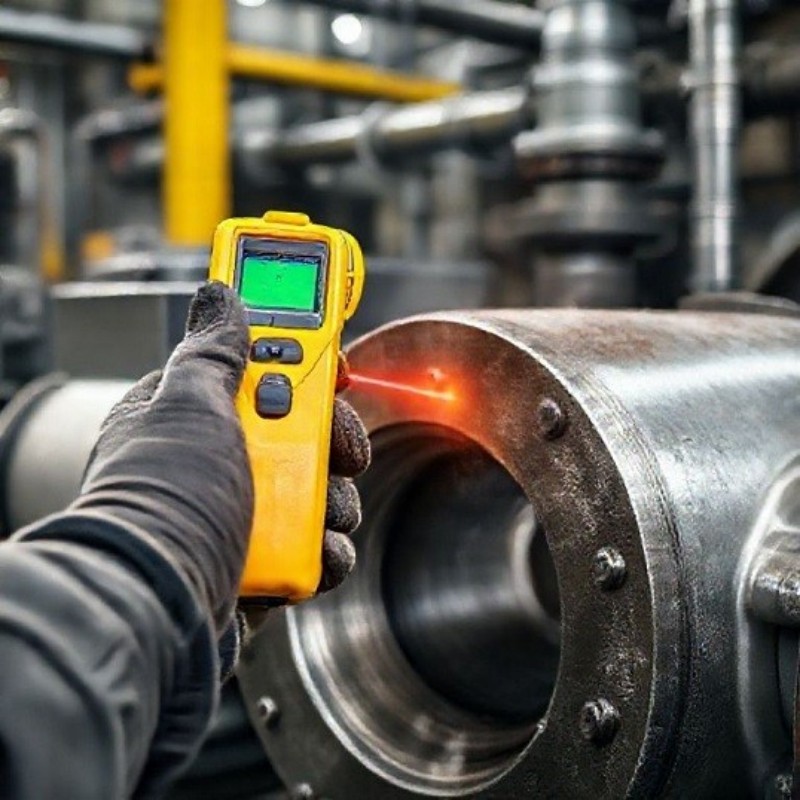
Abnormal bearing heating may typically manifest as the bearing temperature being significantly higher than the temperature of surrounding components; the bearing's temperature change trend differs from that of the surrounding temperature; or there is a significant difference between the bearing temperature and the temperature of other bearings operating under similar conditions.
3. Troubleshooting Abnormal Heating of Rolling Bearings
When abnormal heating of rolling bearings is detected, measures must be taken promptly to prevent equipment damage. First, check the lubricant. Verify if the lubricant is sufficient, whether it has deteriorated, or if it is contaminated. If the lubricant is insufficient, replenish it promptly; if the lubricant has deteriorated or is severely contaminated, replace it with new lubricant. When replacing the lubricant, be sure to select the appropriate type and grade of lubricant to ensure it matches the bearing's operating conditions.
Secondly, check the bearing installation. Check if the bearing is installed correctly and if there are any problems such as eccentricity, tilting, or looseness. If problems are found, reinstall the bearing promptly to ensure installation accuracy. During installation, strictly follow the bearing installation requirements to avoid improper force that could damage the bearing.
Furthermore, check the bearing load. If the load is too high, adjust the equipment's operating parameters appropriately to reduce the bearing load.
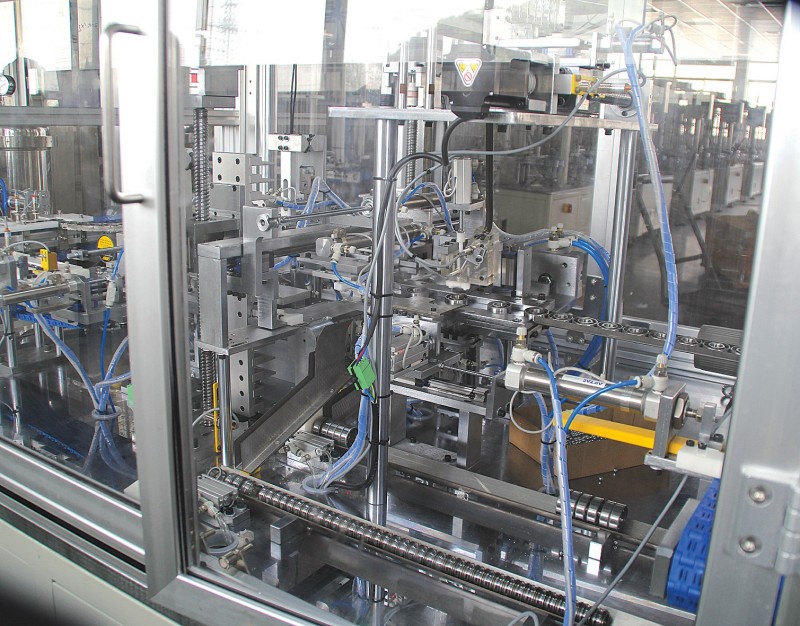
If none of the above measures solve the problem, or if the bearing heating is very severe, it is recommended to contact professional maintenance personnel or the bearing manufacturer for inspection and repair. They can use professional equipment and tools to conduct a comprehensive inspection and analysis of the bearing, identify the root cause of the problem, and implement effective solutions.
Related News
- Why Are 206KRRB6 Hex Bore Series Agricultural Bearings a Smart Choice for Demanding Farm Machinery
- Why Are BAA-0003 Agricultural Hub Units a Smart Choice for Demanding Farm Machinery
- Why Are GW208PPB5 Square Bore Agricultural Bearings a Smart Choice for Demanding Farm Machinery
- How Does a Deep Groove Ball Bearing Improve Machine Performance?
- How Do Turbocharger Bearings Improve Turbocharger Performance and Reliability?
- How Do Clutch Release Bearings Improve Vehicle Performance and Driving Comfort?
Leave me a message