What Are Taper Roller Bearings and Why Are They Critical in Heavy-Duty Applications
Taper roller bearings play a vital role in modern machinery where high radial and axial loads must be handled simultaneously. In this in-depth guide, I will explain what taper roller bearings are, how they work, where they are used, and why they are indispensable in heavy-duty and high-precision applications. Drawing on practical engineering insights and industry standards, this article also covers selection tips, performance advantages, common mistakes, and FAQs to help you make informed decisions.
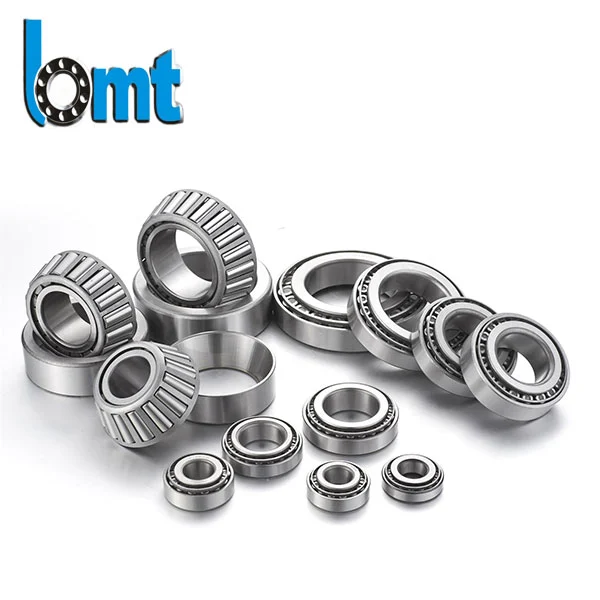
Table of Contents
- What Are Taper Roller Bearings?
- How Do Taper Roller Bearings Work?
- Key Advantages of Taper Roller Bearings
- Typical Applications and Industries
- Comparison with Other Bearing Types
- How to Select the Right Taper Roller Bearings
- Why Manufacturing Quality Matters
- Installation and Maintenance Best Practices
- Frequently Asked Questions
What Are Taper Roller Bearings?
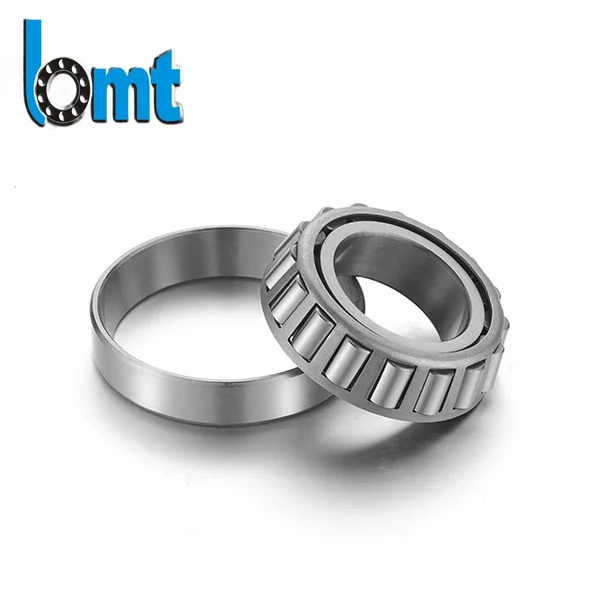
Taper roller bearings are a type of rolling-element bearing designed to support both radial and axial loads. Their defining feature lies in their tapered rolling elements, or rollers, which are guided by a tapered inner and outer raceway. This geometry allows the bearing to efficiently distribute forces along the axis of rotation.
Unlike ball bearings that rely on point contact, taper roller bearings use line contact. This significantly increases load-carrying capacity, making them ideal for heavy-duty applications such as gearboxes, wheel hubs, construction equipment, and industrial machinery.
How Do Taper Roller Bearings Work?
The working principle of taper roller bearings is based on precise geometry and controlled contact angles. Each bearing typically consists of four main components:
- Inner ring (cone)
- Outer ring (cup)
- Tapered rollers
- Cage (retainer)
When the bearing rotates, the tapered rollers roll smoothly between the raceways, maintaining alignment and transmitting loads efficiently. Because the roller axes converge at a single point on the bearing axis, friction and heat generation are minimized under proper installation.
Key Advantages of Taper Roller Bearings
From my experience working with industrial components, taper roller bearings offer several advantages that make them stand out:
- Excellent combined load capacity (radial + axial)
- High rigidity and operational stability
- Long service life under heavy loads
- Adjustable internal clearance for precision control
- Superior performance in shock and vibration environments
Typical Applications and Industries
Taper roller bearings are widely used across industries where reliability and load handling are critical. Some common application areas include:
| Industry | Typical Applications |
|---|---|
| Automotive | Wheel hubs, transmissions, differentials |
| Industrial Machinery | Gearboxes, conveyors, heavy motors |
| Construction | Excavators, cranes, loaders |
| Energy | Wind turbines, power transmission systems |
For more detailed product specifications, you can refer to taper roller bearings technical resources.
Comparison with Other Bearing Types
Choosing the right bearing requires understanding how taper roller bearings compare with alternatives.
| Bearing Type | Load Capacity | Axial Load Handling | Typical Use |
|---|---|---|---|
| Taper Roller Bearings | Very High | Excellent | Heavy-duty systems |
| Ball Bearings | Moderate | Limited | High-speed, light loads |
| Cylindrical Roller Bearings | High (radial) | Poor | Radial load focus |
How to Select the Right Taper Roller Bearings
Selecting taper roller bearings requires a systematic approach. I usually recommend evaluating:
- Load type and magnitude
- Operating speed and temperature
- Required service life
- Installation space and mounting accuracy
- Lubrication and sealing conditions
Working with an experienced supplier such as BMT can significantly reduce the risk of misselection and ensure consistent performance over time.
Why Manufacturing Quality Matters
The performance of taper roller bearings depends heavily on material selection, heat treatment, machining accuracy, and quality control. Poor-quality bearings often fail prematurely due to surface fatigue or improper roller geometry.
Reputable manufacturers follow strict international standards to ensure dimensional consistency and predictable load behavior, which is especially critical in safety-sensitive applications.
Installation and Maintenance Best Practices
- Ensure correct preload or clearance during installation
- Use proper lubrication suited to operating conditions
- Monitor temperature and vibration regularly
- Replace bearings in matched sets when required
Frequently Asked Questions
Can taper roller bearings handle axial loads in both directions?
A single taper roller bearing handles axial load in one direction. Paired arrangements are used for bidirectional loads.
Are taper roller bearings suitable for high-speed applications?
They can operate at moderate to high speeds, but proper lubrication and precision mounting are essential.
How long do taper roller bearings typically last?
With correct selection, installation, and maintenance, service life can exceed tens of thousands of hours.
If you are looking for reliable, high-performance taper roller bearings backed by technical expertise, BMT is ready to support your project. For tailored solutions, specifications, or pricing details, please contact us today and let our team help you achieve long-term operational success.
Related News
- Why Are 206KRRB6 Hex Bore Series Agricultural Bearings a Smart Choice for Demanding Farm Machinery
- Why Are BAA-0003 Agricultural Hub Units a Smart Choice for Demanding Farm Machinery
- Why Are GW208PPB5 Square Bore Agricultural Bearings a Smart Choice for Demanding Farm Machinery
- How Does a Deep Groove Ball Bearing Improve Machine Performance?
- How Do Turbocharger Bearings Improve Turbocharger Performance and Reliability?
- How Do Clutch Release Bearings Improve Vehicle Performance and Driving Comfort?
Leave me a message