How Do Self-Aligning Ball Bearings Solve Shaft Misalignment Problems
Self-aligning ball bearings are specifically engineered to handle shaft misalignment, a common issue that leads to premature bearing failure and increased maintenance costs. In this in-depth guide, I will explain how self-aligning ball bearings work, why they are essential in modern mechanical systems, and how they outperform conventional bearings in demanding environments.
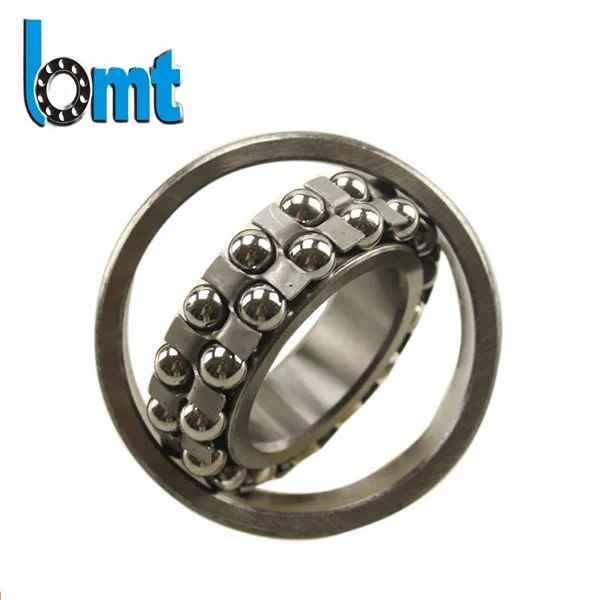
Table of Contents
- Understanding Shaft Misalignment in Mechanical Systems
- What Are Self-Aligning Ball Bearings?
- How Do Self-Aligning Ball Bearings Work?
- Key Advantages of Self-Aligning Ball Bearings
- Comparison: Self-Aligning vs. Standard Ball Bearings
- Common Applications of Self-Aligning Ball Bearings
- How to Choose the Right Self-Aligning Ball Bearings
- Installation and Maintenance Best Practices
- Why BMT Self-Aligning Ball Bearings Stand Out
- Frequently Asked Questions
Understanding Shaft Misalignment in Mechanical Systems
Shaft misalignment occurs when the shaft axis does not perfectly align with the bearing axis. This issue can be caused by manufacturing tolerances, improper installation, thermal expansion, structural deformation, or dynamic loads during operation.
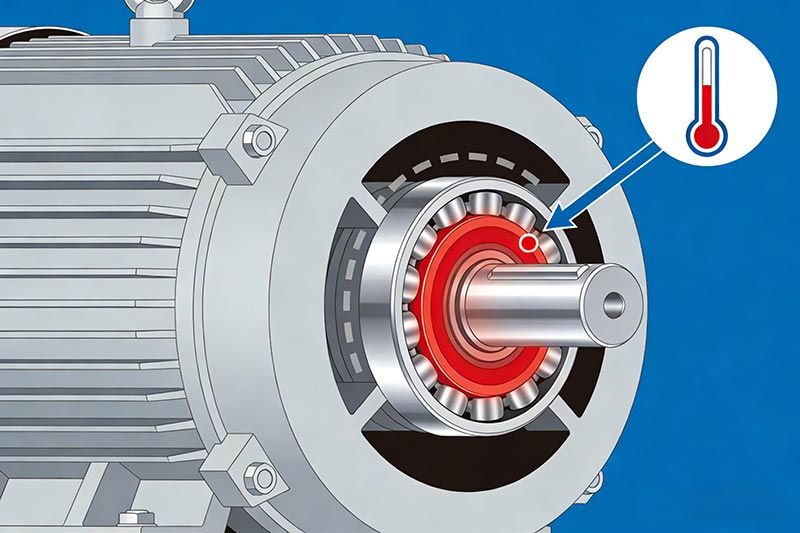
Even small angular or radial misalignments can generate excessive stress, vibration, and heat in standard bearings. Over time, this leads to accelerated wear, noise, lubrication breakdown, and unexpected downtime. This is precisely where self-aligning ball bearings demonstrate their unique value.
What Are Self-Aligning Ball Bearings?
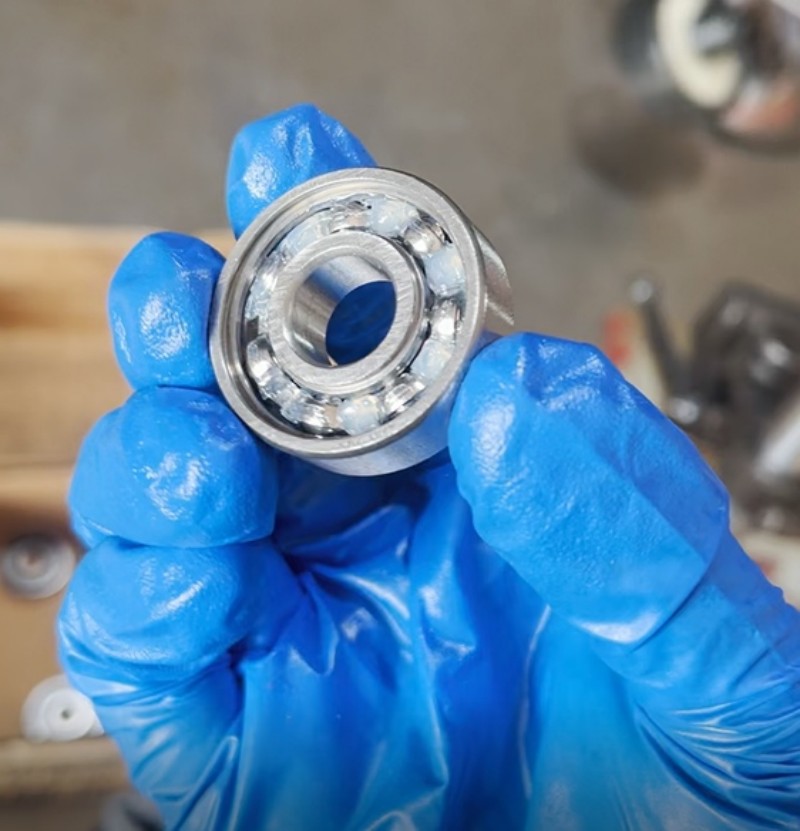
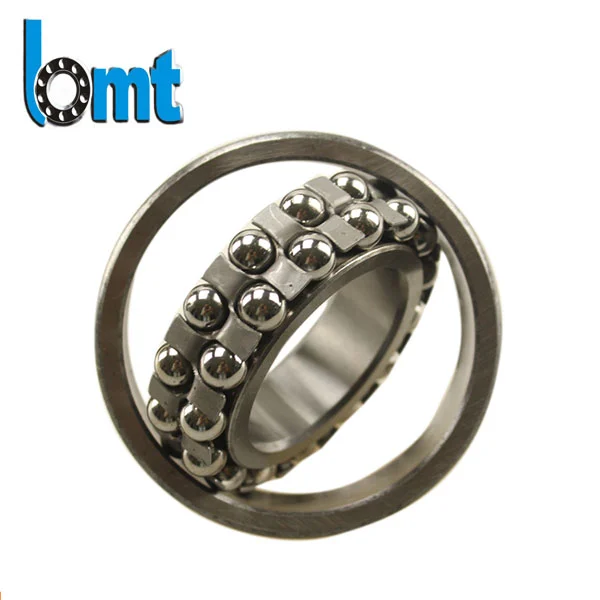
Self-aligning ball bearings are rolling-element bearings featuring two rows of balls and a common spherical raceway in the outer ring. This special geometry allows the inner ring, balls, and cage to rotate freely even when the shaft is misaligned.
According to the official product reference, self-aligning ball bearings are designed to accommodate angular misalignment without compromising performance or bearing life.
How Do Self-Aligning Ball Bearings Work?
The defining feature of self-aligning ball bearings lies in the spherical outer raceway. This curvature allows the bearing to automatically adjust its position relative to the shaft.
- Two rows of precision steel balls distribute loads evenly
- Spherical outer race enables angular self-adjustment
- Reduced internal stress during misalignment conditions
As a result, self-aligning ball bearings maintain smooth rotation even when installation accuracy is less than perfect.
Key Advantages of Self-Aligning Ball Bearings
- Excellent tolerance to angular misalignment
- Lower friction and operating temperature
- Reduced vibration and noise
- Extended service life
- Lower maintenance requirements
These advantages make self-aligning ball bearings an optimal solution for machinery operating under fluctuating loads and challenging environments.
Comparison: Self-Aligning vs. Standard Ball Bearings
| Feature | Self-Aligning Ball Bearings | Standard Ball Bearings |
|---|---|---|
| Misalignment Tolerance | High | Very Limited |
| Operating Stability | Excellent | Reduced under misalignment |
| Maintenance Frequency | Low | Moderate to High |
| Service Life | Long | Shorter in harsh conditions |
Common Applications of Self-Aligning Ball Bearings
Self-aligning ball bearings are widely used across industries where shaft deflection or alignment inaccuracies are unavoidable.
- Textile machinery
- Conveyor systems
- Agricultural equipment
- Mining and heavy machinery
- HVAC and ventilation systems
How to Choose the Right Self-Aligning Ball Bearings
Selecting the right self-aligning ball bearings requires evaluating several operational parameters.
- Load type and magnitude
- Operating speed
- Degree of misalignment
- Environmental conditions
- Lubrication requirements
Partnering with an experienced manufacturer like BMT ensures you receive bearings optimized for your specific application.
Installation and Maintenance Best Practices
Even though self-aligning ball bearings compensate for misalignment, correct installation still plays a vital role.
- Avoid excessive axial loads during mounting
- Use proper tools to prevent raceway damage
- Maintain appropriate lubrication intervals
- Regularly monitor vibration and temperature
Why BMT Self-Aligning Ball Bearings Stand Out
BMT self-aligning ball bearings are engineered with precision materials, advanced heat treatment processes, and strict quality control standards. This ensures reliable performance, extended lifespan, and consistent operation even under severe misalignment conditions.
With deep industry expertise and a strong commitment to engineering excellence, BMT delivers solutions that align with global standards and real-world demands.
Frequently Asked Questions
Can self-aligning ball bearings handle axial loads?
Yes, self-aligning ball bearings can support moderate axial loads in addition to radial loads, but they are primarily optimized for radial load applications.
How much misalignment can self-aligning ball bearings tolerate?
Most self-aligning ball bearings can accommodate angular misalignment of up to 3 degrees, depending on design and operating conditions.
Are self-aligning ball bearings suitable for high-speed operation?
Yes, they perform well at high speeds due to low friction and efficient load distribution.
If you are looking to improve equipment reliability and reduce maintenance costs, choosing the right self-aligning ball bearings is a critical step. Reach out to BMT today to discuss your application requirements and contact us for expert guidance, customized solutions, and competitive pricing tailored to your industry needs.
Related News
- Why Are 206KRRB6 Hex Bore Series Agricultural Bearings a Smart Choice for Demanding Farm Machinery
- Why Are BAA-0003 Agricultural Hub Units a Smart Choice for Demanding Farm Machinery
- Why Are GW208PPB5 Square Bore Agricultural Bearings a Smart Choice for Demanding Farm Machinery
- How Does a Deep Groove Ball Bearing Improve Machine Performance?
- How Do Turbocharger Bearings Improve Turbocharger Performance and Reliability?
- How Do Clutch Release Bearings Improve Vehicle Performance and Driving Comfort?
Leave me a message