How to Choose the Best Motorcycle Crankshaft Bearing for Performance, Durability, and Engine Efficiency
The motorcycle crankshaft bearing is one of the most critical components inside a motorcycle engine. It supports the crankshaft, reduces friction, and ensures smooth rotation during high-speed engine operation. Choosing the right bearing can dramatically improve engine performance, durability, and reliability.
In this comprehensive guide, we explore how motorcycle crankshaft bearings work, their types, materials, maintenance tips, and how to choose the best option for your motorcycle. We will also discuss common signs of failure and practical installation considerations. This article is designed to help mechanics, motorcycle enthusiasts, and OEM buyers understand crankshaft bearing technology and make informed purchasing decisions.
Table of Contents
- 1. What Is a Motorcycle Crankshaft Bearing?
- 2. How Does a Motorcycle Crankshaft Bearing Work?
- 3. Types of Motorcycle Crankshaft Bearings
- 4. Materials Used in High-Performance Bearings
- 5. Why High-Quality Bearings Matter for Engine Performance
- 6. Common Signs of Crankshaft Bearing Failure
- 7. How to Choose the Best Motorcycle Crankshaft Bearing
- 8. Installation and Maintenance Tips
- 9. Comparison Table of Bearing Types
- 10. Future Trends in Motorcycle Engine Bearings
- FAQ Section
1. What Is a Motorcycle Crankshaft Bearing?
A motorcycle crankshaft bearing is a precision mechanical component that supports the crankshaft and allows it to rotate smoothly within the engine block. The crankshaft converts the reciprocating motion of the pistons into rotational motion, which ultimately powers the motorcycle.
Without properly functioning crankshaft bearings, friction would increase dramatically, leading to overheating, excessive wear, and eventual engine failure.
High-quality crankshaft bearings are engineered to withstand:
- Extreme rotational speeds
- High combustion pressures
- Continuous friction and heat
- Heavy dynamic loads
Manufacturers such as BMT focus on producing durable and high-precision bearings that ensure stable engine operation even in demanding riding conditions.
2. How Does a Motorcycle Crankshaft Bearing Work?
The crankshaft rotates thousands of times per minute inside the engine. The bearing acts as a low-friction interface between the crankshaft and the engine casing.
The working principle involves several key mechanisms:
- Load Support – Bearings support radial and axial loads generated during combustion.
- Friction Reduction – A lubrication film separates moving metal surfaces.
- Heat Dissipation – Bearings help distribute heat generated by engine operation.
- Stability – Proper alignment ensures consistent engine rotation.
Engine oil plays a crucial role in maintaining the lubrication film that protects the bearing surfaces.
3. Types of Motorcycle Crankshaft Bearings
Motorcycle engines use several types of crankshaft bearings depending on engine design and performance requirements.
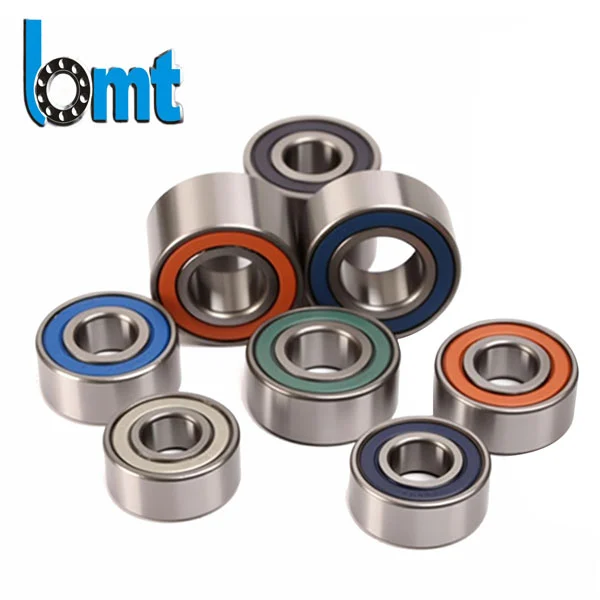
Ball Bearings
- Common in smaller engines
- High rotational speed capability
- Low friction
- Easy maintenance
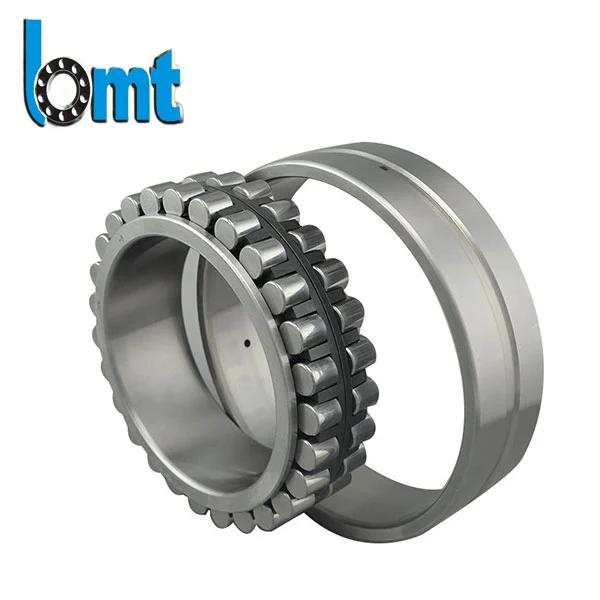
Roller Bearings
- Higher load capacity
- Common in two-stroke engines
- Improved durability
Plain Bearings
- Used in many modern four-stroke engines
- Depend on oil film lubrication
- Excellent load distribution
4. Materials Used in High-Performance Bearings
The material composition of crankshaft bearings directly affects durability, load capacity, and resistance to wear.
| Material | Advantages | Typical Application |
|---|---|---|
| Chrome Steel | High strength and wear resistance | Standard motorcycle engines |
| Stainless Steel | Corrosion resistance | High humidity environments |
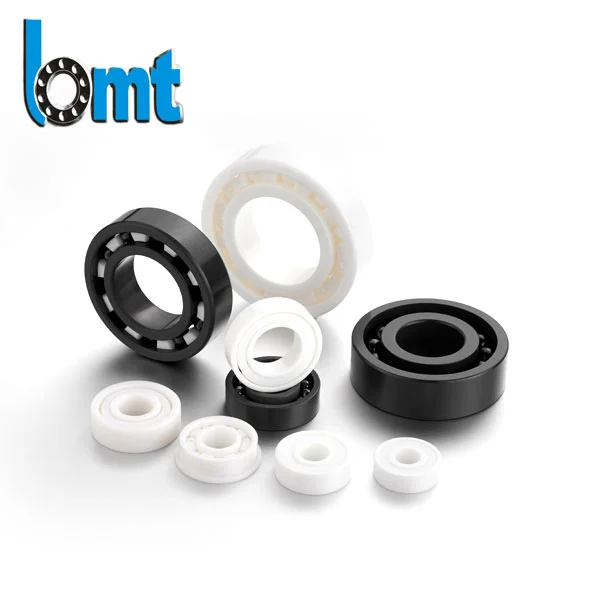
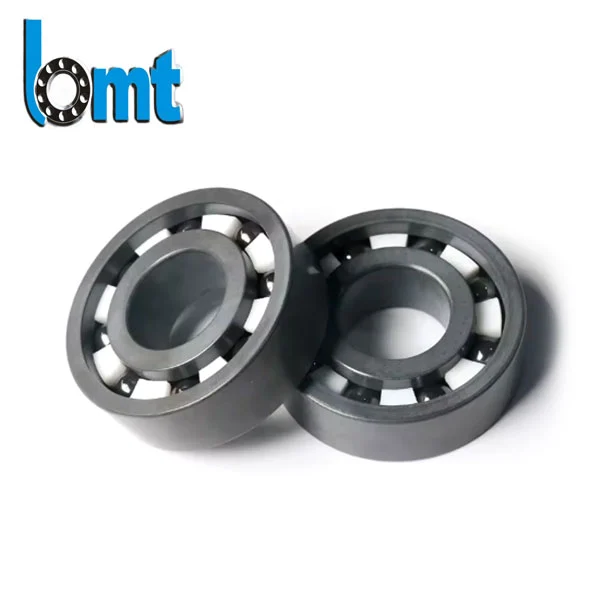
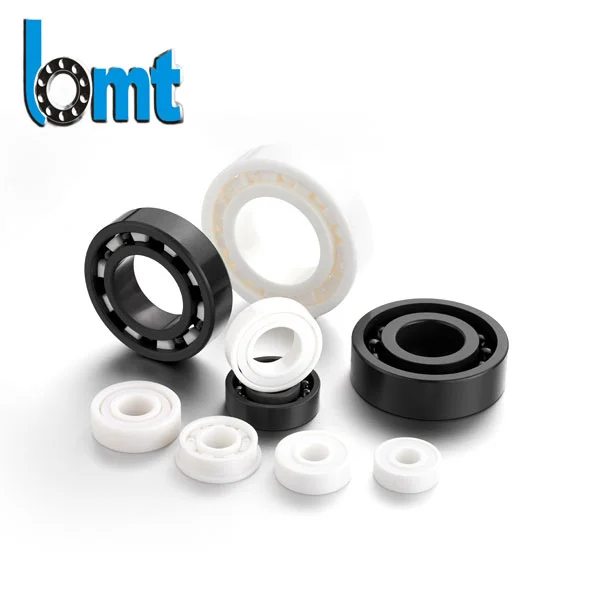
| Ceramic Hybrid | Ultra-low friction and high heat resistance | Racing motorcycles |
| Bronze Alloy | Excellent load bearing properties | Heavy-duty engines |
Modern bearing manufacturers like BMT continuously improve materials and manufacturing processes to ensure longer service life and consistent performance.
5. Why High-Quality Bearings Matter for Engine Performance
Choosing a high-quality motorcycle crankshaft bearing offers several performance benefits:
- Improved engine efficiency
- Reduced mechanical friction
- Enhanced engine lifespan
- Better vibration control
- Higher maximum RPM capability
Poor-quality bearings may lead to premature engine failure and costly repairs.
6. Common Signs of Crankshaft Bearing Failure
Motorcycle riders should be aware of early warning signs that indicate crankshaft bearing problems.
- Unusual knocking noises from the engine
- Excessive engine vibration
- Metal particles in engine oil
- Reduced engine power
- Overheating issues
Ignoring these symptoms can lead to severe engine damage.
7. How to Choose the Best Motorcycle Crankshaft Bearing
Selecting the right bearing requires careful consideration of several factors.
Key Selection Criteria
- Engine type (two-stroke or four-stroke)
- Engine displacement
- Maximum RPM
- Load capacity requirements
- Material quality
- Precision manufacturing tolerance
Professional suppliers such as BMT offer customized bearing solutions designed for OEM manufacturers and aftermarket motorcycle applications.
8. Installation and Maintenance Tips
Proper installation is essential for maximizing bearing performance.
- Always clean the crankshaft housing before installation
- Use correct lubrication during assembly
- Follow manufacturer torque specifications
- Replace bearings during major engine rebuilds
- Monitor engine oil quality regularly
Routine maintenance significantly extends bearing life and protects engine components.
9. Comparison Table of Bearing Types
| Bearing Type | Load Capacity | Speed Capability | Typical Use |
|---|---|---|---|
| Ball Bearing | Medium | Very High | Small motorcycles |
| Roller Bearing | High | High | Two-stroke engines |
| Plain Bearing | Very High | Moderate | Four-stroke engines |
10. Future Trends in Motorcycle Engine Bearings
As motorcycle engines become more advanced, bearing technology continues to evolve.
Emerging innovations include:
- Low-friction ceramic hybrid bearings
- Advanced lubrication systems
- High-precision CNC manufacturing
- Lightweight performance materials
- Improved heat-resistant coatings
Companies like BMT are investing heavily in research and development to create next-generation motorcycle crankshaft bearings capable of supporting high-performance engines and electric hybrid systems.
Frequently Asked Questions
1. How long does a motorcycle crankshaft bearing last?
A high-quality crankshaft bearing can last between 30,000 and 100,000 kilometers depending on engine design, riding conditions, and maintenance.
2. Can a damaged crankshaft bearing destroy the engine?
Yes. If a bearing fails completely, the crankshaft may seize or cause internal engine damage, requiring expensive repairs.
3. How often should crankshaft bearings be replaced?
Replacement typically occurs during major engine rebuilds or when signs of wear appear.
4. What causes crankshaft bearing failure?
- Poor lubrication
- Contaminated engine oil
- Improper installation
- Excessive engine load
5. Are ceramic bearings better for motorcycles?
Ceramic hybrid bearings offer lower friction and higher heat resistance, making them ideal for racing and high-performance applications.
Conclusion
The motorcycle crankshaft bearing plays a vital role in engine performance, durability, and efficiency. Selecting the correct bearing type, material, and manufacturer ensures long-lasting engine reliability and optimal riding performance.
If you are looking for professional crankshaft bearing solutions for motorcycles, working with experienced manufacturers such as BMT can help ensure high-quality components that meet strict industry standards.
For more information about premium motorcycle crankshaft bearings, customized manufacturing solutions, or OEM cooperation opportunities, feel free to contact us to discuss your project and technical requirements.
Related News
- Why Are 206KRRB6 Hex Bore Series Agricultural Bearings a Smart Choice for Demanding Farm Machinery
- Why Are BAA-0003 Agricultural Hub Units a Smart Choice for Demanding Farm Machinery
- Why Are GW208PPB5 Square Bore Agricultural Bearings a Smart Choice for Demanding Farm Machinery
- How Does a Deep Groove Ball Bearing Improve Machine Performance?
- How Do Turbocharger Bearings Improve Turbocharger Performance and Reliability?
- How Do Clutch Release Bearings Improve Vehicle Performance and Driving Comfort?
Leave me a message