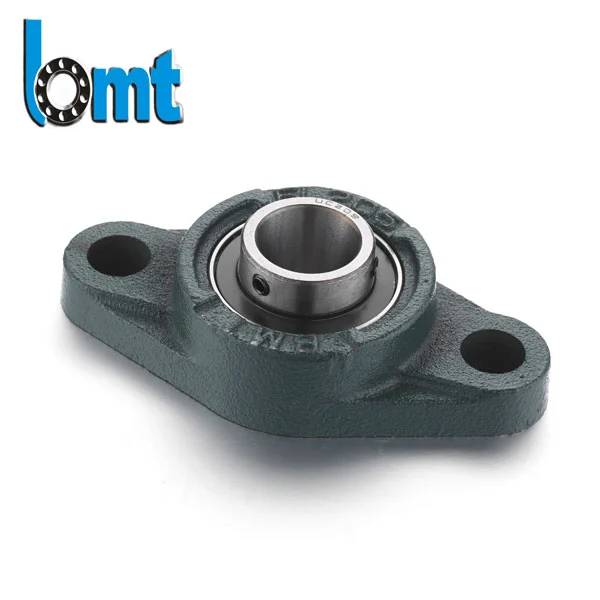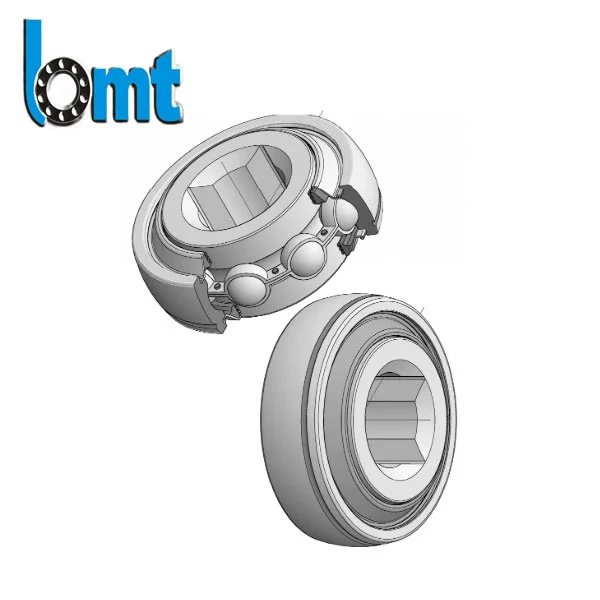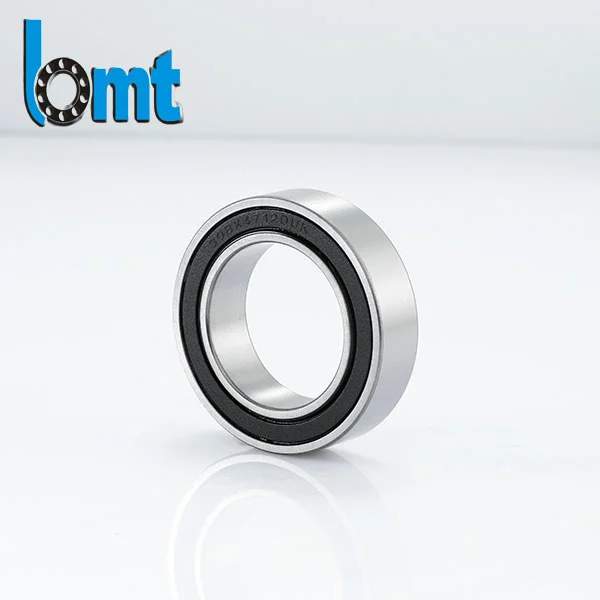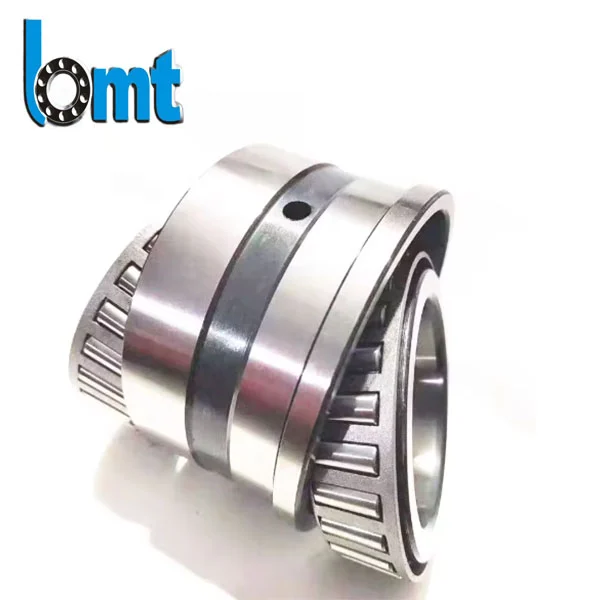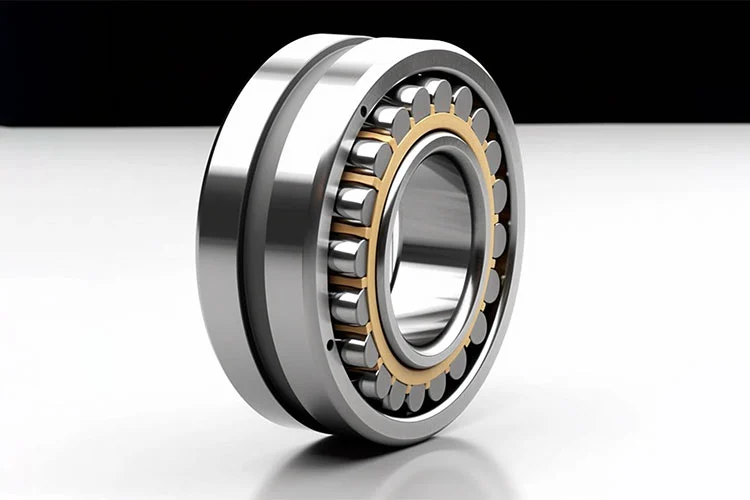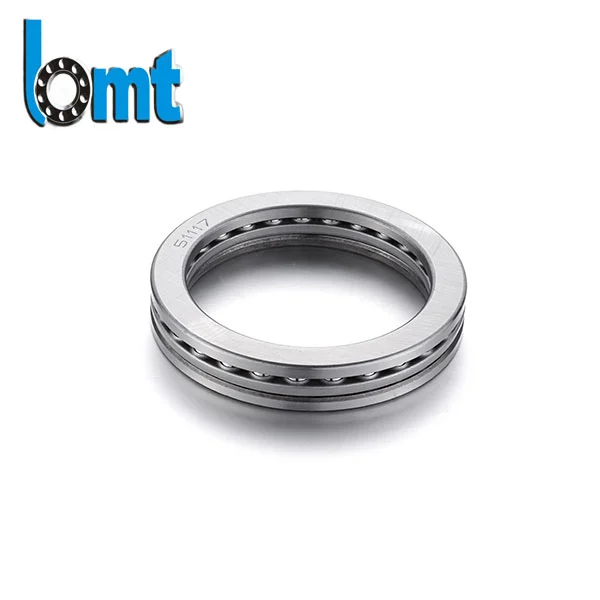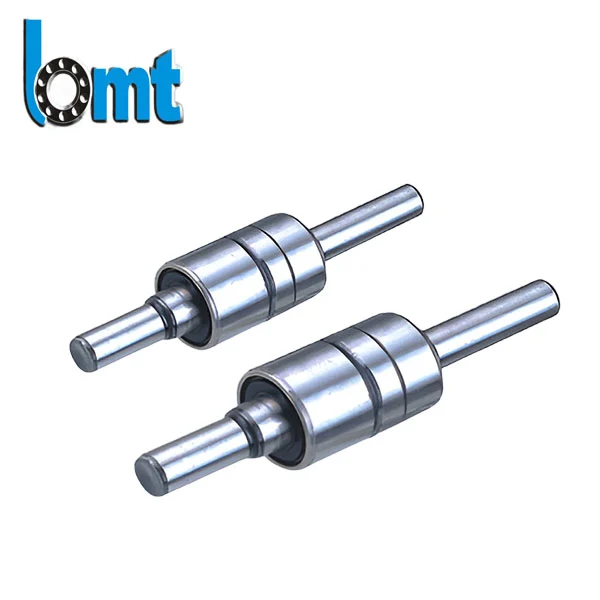
When agricultural machinery works under continuous load, vibration, dust, moisture, and uneven terrain, the wheel and rotating assembly must remain stable throughout the working cycle. BMT supplies BAA-0003 Agricultural Hub Units for agricultural equipment applications, providing an integrated hub-and-bearing solution designed around precise mounting dimensions, load support, sealing performance, and dependable rotational operation.
Choosing the right agricultural hub unit can directly influence equipment uptime, maintenance requirements, and wheel assembly performance. BAA-0003 Agricultural Hub Units are designed as integrated bearing hub assemblies for agricultural machinery and related equipment. The configuration features a 30 mm bore, 117 mm outer diameter, 60 mm overall height, 98 mm bolt-pattern diameter, and four M12 × 1.25 mounting holes. With a listed basic dynamic load rating of 44.9 kN and basic static load rating of 34 kN, the unit provides measurable parameters for equipment designers, agricultural machinery manufacturers, replacement-parts distributors, and maintenance teams. This guide explains how the BAA-0003 configuration works, which specifications deserve attention, where agricultural hub units are commonly used, and what buyers should evaluate before placing an order.
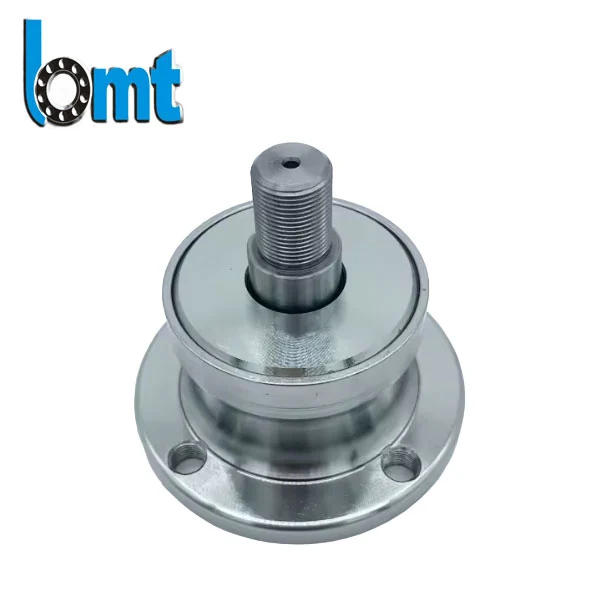
Table of Contents
- What Role Does an Agricultural Hub Unit Play?
- How Is the BAA-0003 Designed for Agricultural Equipment?
- What Are the Main BAA-0003 Specifications?
- Which Performance Factors Matter in the Field?
- Which Machines Can Use Agricultural Hub Units?
- How Can Buyers Match BAA-0003 to Their Equipment?
- How Can Agricultural Hub Unit Performance Be Maintained?
- Why Consider BAA-0003 for OEM Projects?
- Frequently Asked Questions
- Final Considerations for Buyers
What Role Does an Agricultural Hub Unit Play?
The hub is a critical connection point between a machine's rotating assembly and its supporting structure. In agricultural equipment, this connection can be exposed to changing loads, shocks from uneven ground, soil contamination, moisture, and long operating cycles.
An agricultural hub unit integrates the bearing and mounting structure into one assembly. This design can simplify equipment construction compared with sourcing and assembling multiple independent bearing components. It also gives engineers a defined mounting interface that can be evaluated during machine design or replacement-part selection.
The primary functions of a hub unit include:
- Supporting rotating wheels, discs, or related components.
- Managing radial loads generated during equipment operation.
- Providing a stable interface between the rotating assembly and machine structure.
- Maintaining controlled rotation during repeated working cycles.
- Helping protect internal bearing components from environmental contamination.
- Supporting easier replacement during equipment maintenance.
For agricultural machinery manufacturers, these functions make the hub unit more than a simple bearing component. Its dimensions and mechanical characteristics must work together with the complete machine structure.
How Is the BAA-0003 Designed for Agricultural Equipment?
BAA-0003 is configured as an integrated agricultural hub unit with defined mounting and bearing dimensions. This approach allows buyers to evaluate the component based on measurable interfaces rather than relying solely on a general bearing description.
The 30 mm bore provides the central mounting interface, while the 117 mm outer diameter defines the external envelope of the assembly. The 98 mm bolt-pattern diameter and four M12 × 1.25 mounting points provide the connection between the hub and the corresponding machine structure.
This dimensional combination is important because agricultural equipment frequently has limited installation space. A hub unit that meets the load requirement but does not match the available mounting geometry cannot provide a practical replacement.
The integrated design can also simplify maintenance planning. Instead of treating individual bearing, housing, and mounting components as completely separate parts, the hub assembly can be handled as a defined replacement unit when service requirements arise.
What Are the Main BAA-0003 Specifications?
Technical specifications provide the starting point for determining whether a hub unit is appropriate for a particular machine. The following table summarizes the key BAA-0003 parameters.
| Parameter | BAA-0003 Specification | Why It Matters |
|---|---|---|
| Bore Diameter | 30 mm | Determines compatibility with the shaft or central mounting interface. |
| Outer Diameter | 117 mm | Defines the external installation envelope. |
| Overall Height | 60 mm | Influences axial installation space. |
| Bolt Pattern Diameter | 98 mm | Determines the mounting-circle position. |
| Mounting Pattern | 4 × M12 × 1.25 | Must correspond to the equipment mounting structure. |
| Basic Dynamic Load Rating | 44.9 kN | Provides a reference for dynamic load capability. |
| Basic Static Load Rating | 34 kN | Provides a reference for stationary or low-speed loading. |
| Maximum Listed Speed | Up to 1,000 RPM | Should be compared with actual operating speed. |
These figures should be treated as product-selection parameters rather than universal operating limits. Actual performance depends on load distribution, installation accuracy, lubrication, temperature, contamination, operating speed, and the complete mechanical system.
Before ordering, engineering teams should compare the dimensions against the original component, equipment drawings, or installation measurements. This step can prevent avoidable compatibility problems.
Which Performance Factors Matter in the Field?
Agricultural machinery operates in an environment where component performance can change significantly compared with clean indoor applications. The hub assembly may encounter repeated vibration, sudden load changes, water, soil particles, and temperature fluctuations.
Load Handling
Load capacity is one of the first parameters engineers should examine. The BAA-0003 configuration has a listed basic dynamic load rating of 44.9 kN and a basic static load rating of 34 kN. These values provide useful reference points when evaluating whether the unit is suitable for a particular mechanical load.
Sealing and Contamination Protection
Dust and moisture are common causes of bearing deterioration. A sealed hub construction can help isolate internal bearing components from external contaminants. However, sealing performance should always be considered together with the actual environmental conditions of the machine.
Rotational Stability
Wheel and disc assemblies require consistent rotation. Excessive friction, misalignment, contamination, or improper installation can introduce vibration and accelerate wear. Selecting a hub with suitable dimensional accuracy and installing it correctly are therefore essential.
Installation Compatibility
Even a technically capable hub unit may not be appropriate if its mounting dimensions do not match the equipment. Bore diameter, bolt circle, thread specification, overall height, and surrounding clearance should all be verified before purchase.
Which Machines Can Use Agricultural Hub Units?
Agricultural hub units are used across different types of machinery where wheels, discs, rollers, or other rotating components require bearing support. The appropriate application depends on the mechanical specifications of the equipment.
- Disc harrows: Rotating disc assemblies can place continuous loads on hub and bearing components during soil preparation.
- Seeders and planting equipment: Selected rotating mechanisms can require compact bearing hub assemblies.
- Tillage machinery: Soil resistance and uneven ground can create changing loads and vibration.
- Agricultural trailers: Wheel-support assemblies require correctly matched hubs and bearings.
- Farm implements: Various implements use rotating assemblies that require reliable mechanical support.
- Agricultural machinery OEM projects: Integrated hub units can be incorporated into new equipment designs where the dimensions and performance requirements are compatible.
Rather than choosing a hub based only on its intended industry, engineers should verify the actual load, speed, dimensions, and installation environment of the target equipment.
How Can Buyers Match BAA-0003 to Their Equipment?
A structured selection process can reduce the risk of ordering an incompatible agricultural hub unit. Buyers can begin with the physical interface and then evaluate operating conditions.
- Measure the shaft interface: Confirm whether the required bore corresponds to the 30 mm BAA-0003 bore.
- Check the mounting circle: Verify the 98 mm bolt-pattern diameter against the machine drawing.
- Confirm thread requirements: Check that the four M12 × 1.25 mounting points correspond to the equipment.
- Measure available space: Confirm that the 117 mm outer diameter and 60 mm height fit within the installation area.
- Calculate working loads: Consider both normal operating loads and temporary shock loads.
- Check operating speed: Compare the actual machine speed with the hub unit's rated operating conditions.
- Evaluate environmental exposure: Consider water, dust, soil, fertilizer, chemicals, and temperature.
- Discuss special requirements: OEM buyers should communicate any required grease, marking, shaft, bolt-pattern, or packaging specifications.
For replacement purchases, comparing the old hub unit with the new component is useful, but physical similarity alone should not be considered sufficient. Technical dimensions and application requirements should be confirmed before installation.
How Can Agricultural Hub Unit Performance Be Maintained?
Correct installation is as important as product selection. A properly specified hub can still experience premature wear if it is installed incorrectly or operated under unsuitable conditions.
Maintenance teams should consider the following practices:
- Clean the mounting surface before installation.
- Check the shaft and mating components for damage or excessive wear.
- Use appropriate installation tools rather than applying uncontrolled impact to the bearing.
- Follow the equipment manufacturer's tightening requirements.
- Inspect the sealing area for damage after installation.
- Monitor unusual vibration, noise, heat, or rotational resistance.
- Check the mounting bolts periodically where the equipment maintenance schedule requires it.
- Replace components when wear or damage could affect safe machine operation.
Machines operating in particularly wet, dusty, or chemically aggressive environments may require additional attention to sealing and lubrication. Buyers should communicate the working conditions to the supplier when requesting a technical recommendation.
Why Consider BAA-0003 for OEM Projects?
For agricultural equipment manufacturers, purchasing decisions are often based on more than unit price. Consistency, dimensional control, production capacity, customization, inspection, and technical support can have a significant impact on the total procurement value.
BMT's product information identifies quality management according to ISO 9001:2015 and IATF 16949:2016. The stated production process also includes material traceability and pre-shipment inspection, with checks covering dimensions, bearing rotation, and sealing integrity.
These controls are relevant to OEM buyers because repeated production requires components with consistent interfaces. A dimensional deviation that is insignificant in an isolated replacement purchase can become a major issue when hundreds or thousands of machines use the same component.
BMT also indicates customization options for selected requirements, including OEM logo marking, grease specifications, shaft dimensions, and bolt-pattern configurations. Customized requirements should be confirmed with the supplier before production.
For international buyers, manufacturing capacity and supply experience are also worth considering. BMT reports more than 20 years of bearing manufacturing experience, an 80,000 m² production facility, more than 200 CNC production lines, and exports to more than 60 countries.
Frequently Asked Questions
What is BAA-0003 Agricultural Hub Units used for?
BAA-0003 Agricultural Hub Units are designed for agricultural machinery and related equipment requiring an integrated bearing and hub assembly. Potential applications include selected wheel, disc, and rotating assemblies where the specified dimensions and load characteristics are suitable.
What is the bore size of BAA-0003?
The listed bore diameter of BAA-0003 is 30 mm. Buyers should confirm this dimension against the shaft or central mounting interface before ordering.
What is the bolt pattern of BAA-0003?
The BAA-0003 configuration uses a four-point M12 × 1.25 mounting arrangement with a listed 98 mm bolt-pattern diameter. The machine-side mounting dimensions should be checked carefully for compatibility.
What is the load capacity of BAA-0003?
The listed basic dynamic load rating is 44.9 kN, while the basic static load rating is 34 kN. These values are reference ratings and should not be treated as a substitute for application-specific engineering calculations.
Can BAA-0003 be customized for agricultural machinery manufacturers?
Selected customization options are available for OEM requirements, including marking, grease specifications, and certain dimensional or mounting configurations. The exact customization scope should be confirmed with BMT based on the equipment design.
What information should I provide when requesting a quotation?
Buyers can provide the required quantity, equipment type, existing hub model, technical drawing, shaft diameter, bolt pattern, expected load, operating speed, working environment, and any OEM marking or packaging requirements. Providing complete information helps the supplier evaluate compatibility more efficiently.
Final Considerations for Buyers
An agricultural hub unit should be selected as part of the complete machine system rather than as an isolated bearing component. For BAA-0003, the 30 mm bore, 117 mm outer diameter, 60 mm overall height, 98 mm bolt-pattern diameter, four M12 × 1.25 mounting points, and listed load ratings provide a clear technical foundation for product evaluation. When combined with appropriate sealing, installation, inspection, and maintenance practices, a correctly matched hub unit can support stable operation in demanding agricultural applications. For OEM manufacturers, distributors, and agricultural machinery replacement-parts buyers looking for a reliable supply solution, learn more about BAA-0003 Agricultural Hub Units and contact BMT for technical consultation, OEM requirements, sample evaluation, and bulk-order support.