How to Choose the Right Thrust Ball Bearings for Your Application
Article Abstract: Choosing the right thrust ball bearings is not just a technical decision—it directly impacts equipment efficiency, operational stability, and long-term maintenance costs. In this in-depth guide, I’ll walk you through how thrust ball bearings work, their structural types, key selection criteria, industry applications, and common mistakes buyers make.
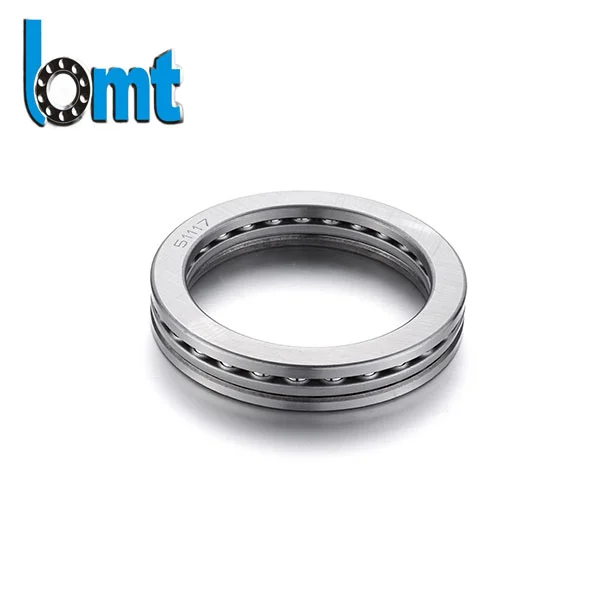
Table of Contents
- 1. What Are Thrust Ball Bearings?
- 2. How Do Thrust Ball Bearings Work?
- 3. Types of Thrust Ball Bearings Explained
- 4. Key Factors to Consider When Choosing Thrust Ball Bearings
- 5. Common Applications Across Industries
- 6. Comparison Table: Thrust Ball Bearings vs Other Bearing Types
- 7. Installation and Maintenance Best Practices
- 8. Why Partnering with the Right Manufacturer Matters
- 9. Frequently Asked Questions (FAQ)
1. What Are Thrust Ball Bearings?
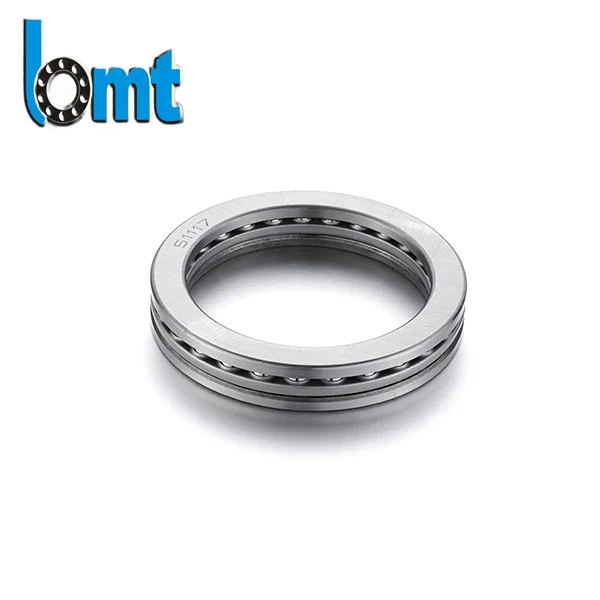
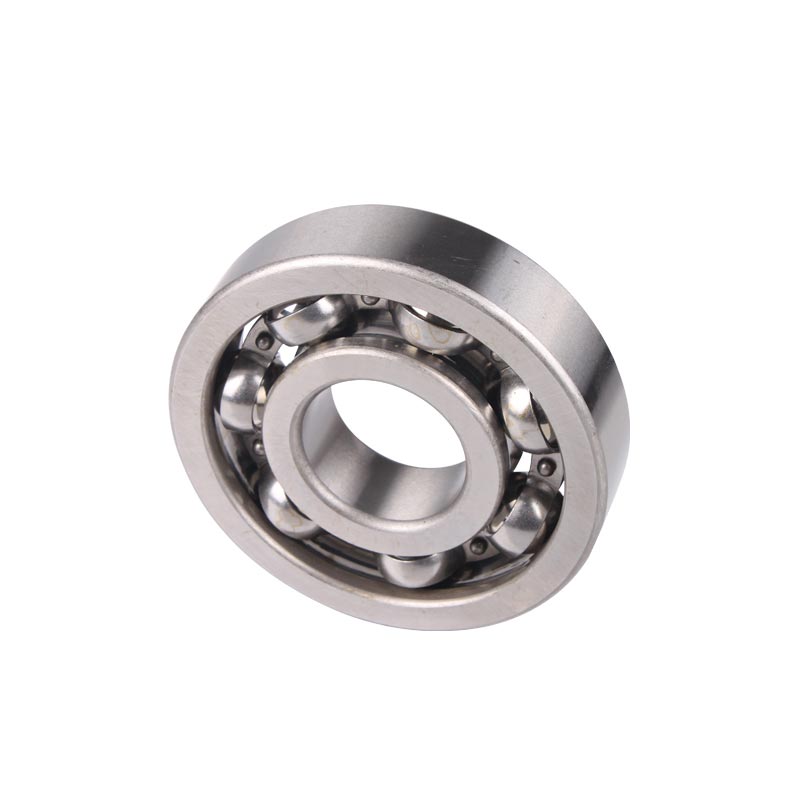
Thrust ball bearings are specialized rolling-element bearings designed specifically to handle axial loads—forces applied parallel to the shaft axis. Unlike radial bearings, thrust ball bearings are not intended to support radial loads, making their application highly targeted and performance-driven.
Structurally, thrust ball bearings consist of three main components: shaft washers, housing washers, and ball-and-cage assemblies. This simple yet efficient design enables smooth rotation under axial pressure while minimizing friction and wear.
According to BMT thrust ball bearings, material precision and surface finish play a critical role in ensuring stable axial load transmission and long service life.
2. How Do Thrust Ball Bearings Work?
Thrust ball bearings work by distributing axial loads through hardened steel balls positioned between two grooved raceways. When axial force is applied, the balls roll smoothly, reducing friction compared to sliding contact mechanisms.
- Axial load is transferred evenly through the ball set
- Low friction enables higher rotational accuracy
- Optimized cage design prevents ball collision
This operating principle makes thrust ball bearings ideal for applications requiring precise axial positioning, such as machine tools, automotive steering systems, and vertical shafts.
3. Types of Thrust Ball Bearings Explained
Selecting the correct type of thrust ball bearings begins with understanding their structural variations.
Single Direction Thrust Ball Bearings
Designed to support axial load in one direction only, these bearings are commonly used in applications with predictable load orientation.
Double Direction Thrust Ball Bearings
These bearings can handle axial loads in both directions, making them suitable for applications requiring bidirectional thrust control.
4. Key Factors to Consider When Choosing Thrust Ball Bearings
In my experience, the most common mistakes happen during the selection stage. Here are the factors you should never overlook:
- Load Capacity: Always calculate maximum axial load with safety margins.
- Speed Limits: Thrust ball bearings are suitable for moderate speeds.
- Material Quality: Heat-treated bearing steel improves fatigue life.
- Lubrication Method: Grease vs oil impacts performance and maintenance.
- Mounting Accuracy: Misalignment significantly reduces bearing life.
5. Common Applications Across Industries
Thrust ball bearings are widely used across multiple industries:
- Automotive transmissions and clutch systems
- Industrial pumps and compressors
- Machine tools and CNC equipment
- Marine propulsion systems
- Vertical screw shafts and turntables
6. Comparison Table: Thrust Ball Bearings vs Other Bearing Types
| Bearing Type | Load Direction | Speed Capability | Typical Use Case |
|---|---|---|---|
| Thrust Ball Bearings | Axial Only | Medium | Vertical shafts |
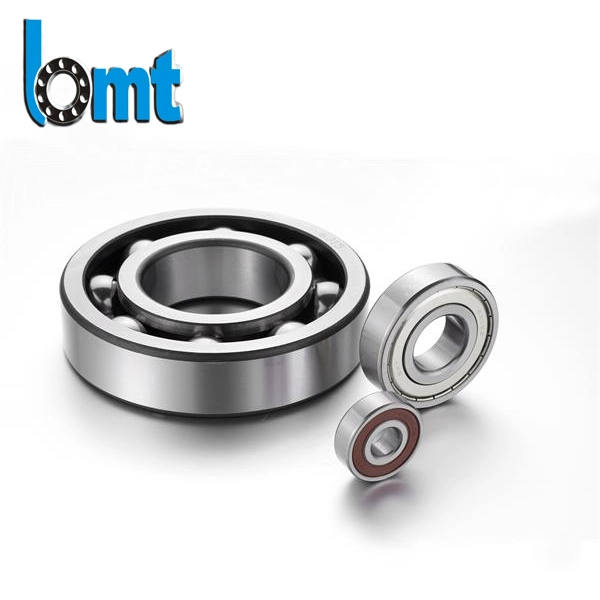
| Deep Groove Ball Bearings | Radial + Light Axial | High | Electric motors |
| Thrust Roller Bearings | Axial Heavy Load | Low to Medium | Heavy machinery |
7. Installation and Maintenance Best Practices
Proper installation is just as important as selecting the right thrust ball bearings. Always ensure:
- Clean mounting surfaces
- Correct shaft and housing tolerances
- Avoiding radial load during operation
- Consistent lubrication schedules
8. Why Partnering with the Right Manufacturer Matters
Working with an experienced manufacturer like BMT gives you more than just products—it provides engineering support, material traceability, and consistent quality control. Reliable thrust ball bearings reduce downtime, extend equipment lifespan, and improve total cost of ownership.
9. Frequently Asked Questions (FAQ)
Can thrust ball bearings handle radial loads?
No. Thrust ball bearings are strictly designed for axial loads and should not be subjected to radial forces.
Are thrust ball bearings suitable for high-speed rotation?
They can handle moderate speeds, but excessive speed may reduce bearing life.
How do I extend the service life of thrust ball bearings?
Proper alignment, correct lubrication, and choosing the right load rating are key factors.
Choosing the right thrust ball bearings is a strategic decision that affects performance, safety, and long-term reliability. If you’re looking for dependable solutions backed by technical expertise, BMT is ready to support your project. To learn more about product specifications or request customized solutions, don’t hesitate to contact us today.
Related News
- Why Are 206KRRB6 Hex Bore Series Agricultural Bearings a Smart Choice for Demanding Farm Machinery
- Why Are BAA-0003 Agricultural Hub Units a Smart Choice for Demanding Farm Machinery
- Why Are GW208PPB5 Square Bore Agricultural Bearings a Smart Choice for Demanding Farm Machinery
- How Does a Deep Groove Ball Bearing Improve Machine Performance?
- How Do Turbocharger Bearings Improve Turbocharger Performance and Reliability?
- How Do Clutch Release Bearings Improve Vehicle Performance and Driving Comfort?
Leave me a message