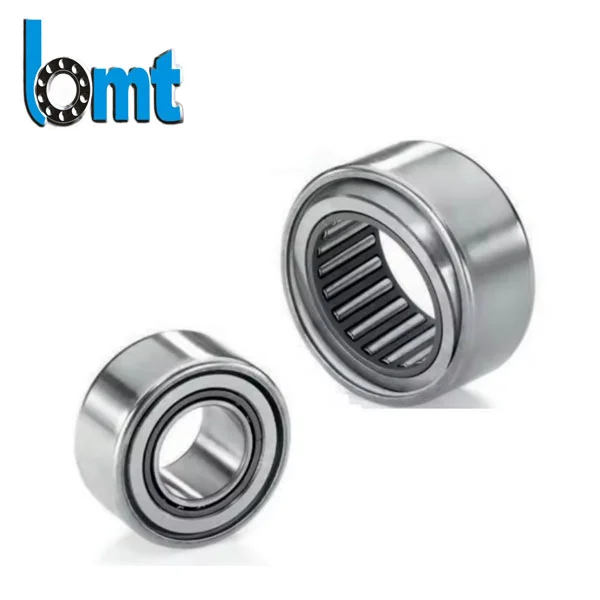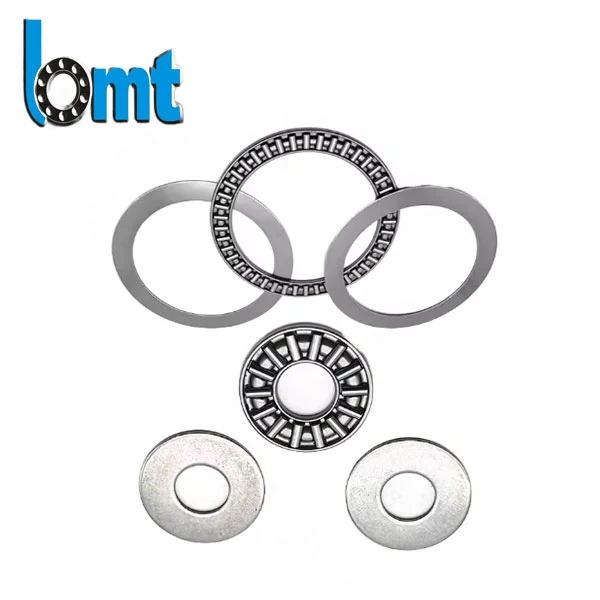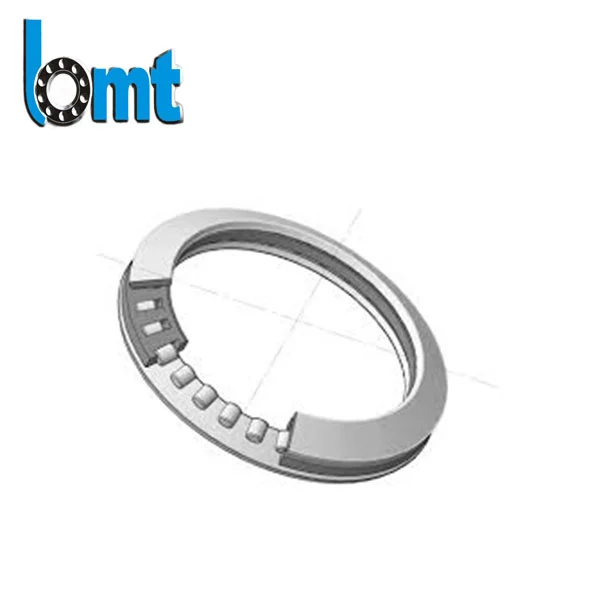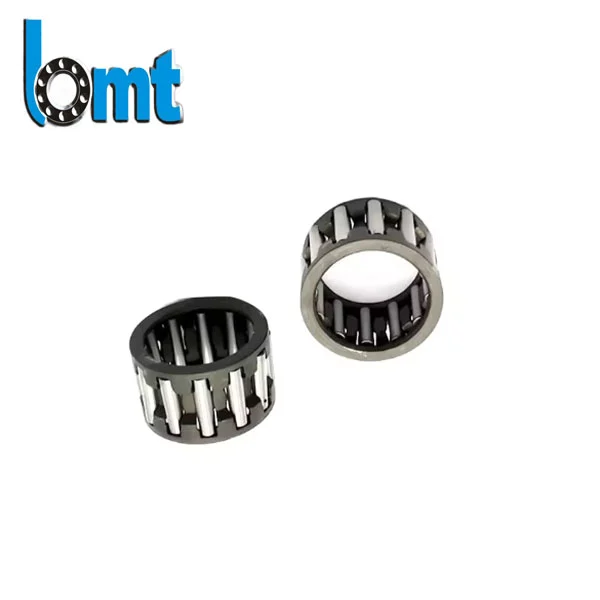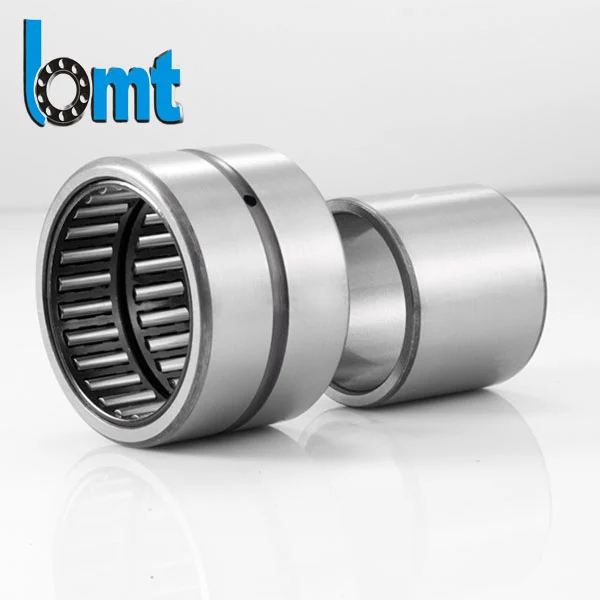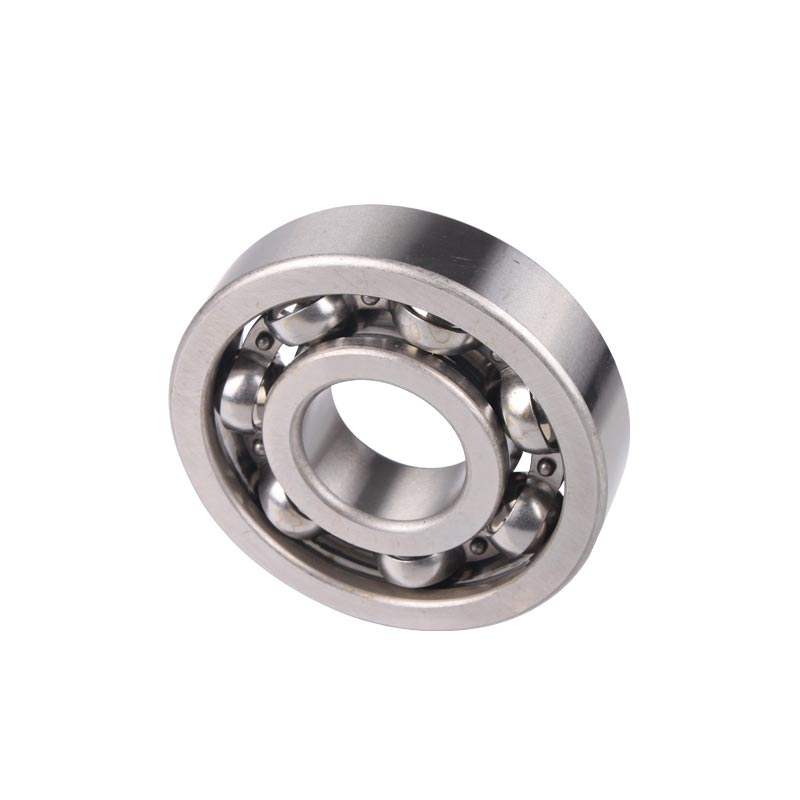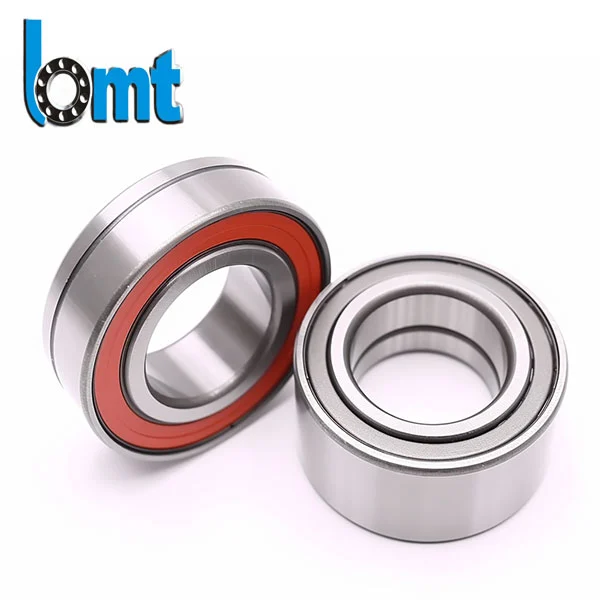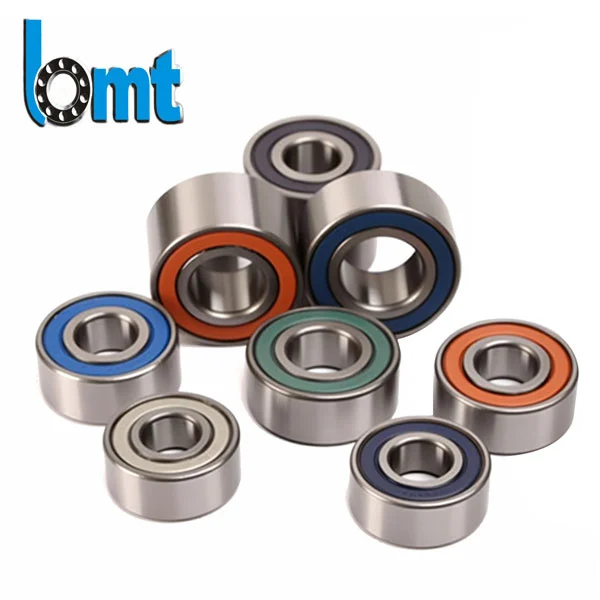
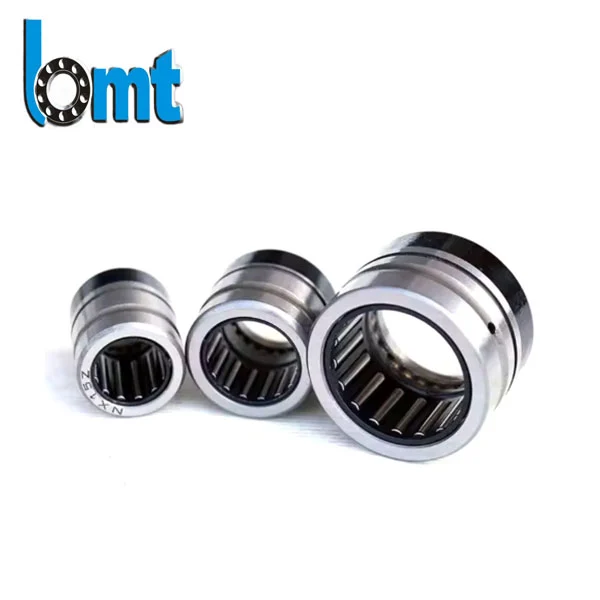
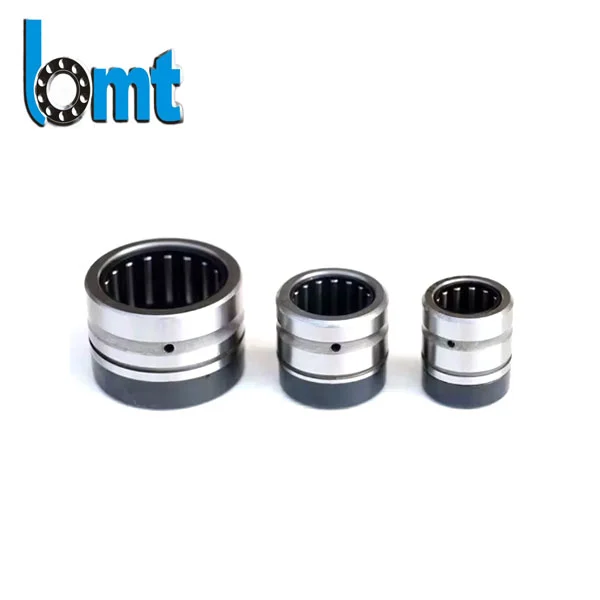
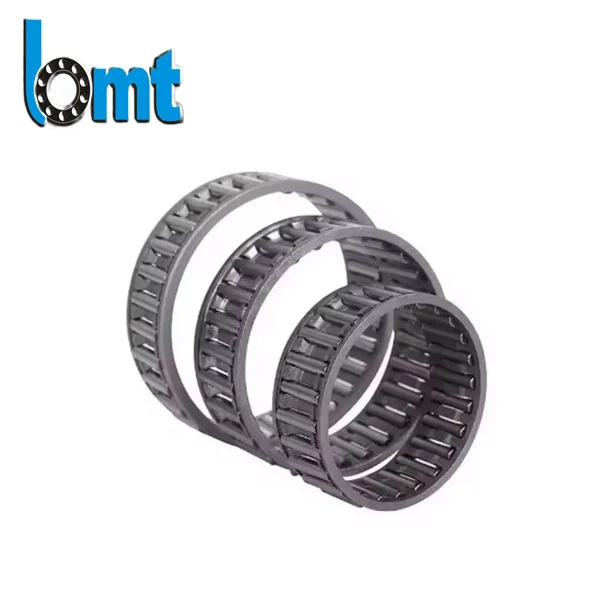
Combined Radial-Axial Bearings
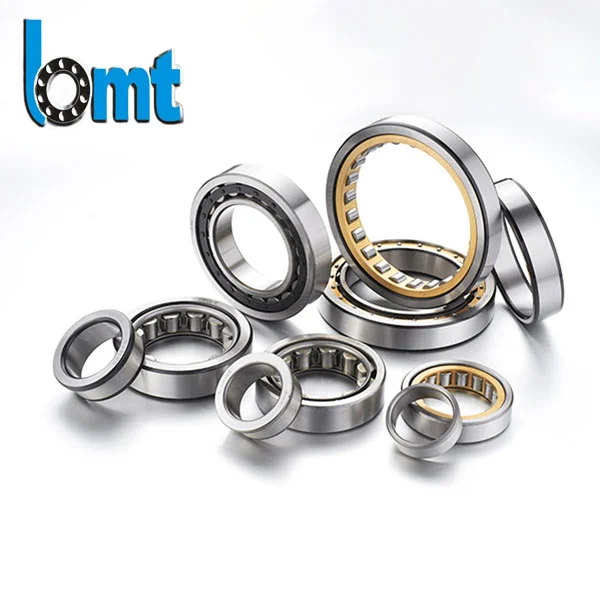
BMT Bearings manufactures Combined Radial-Axial Bearings designed to support radial load and axial load simultaneously within a single compact bearing unit.
These bearings are commonly used in automation systems, machine tools, lifting equipment, conveyor mechanisms, and compact transmission assemblies, where space is limited and multi-directional load stability is required.
We have worked with customers who faced a common issue in rotating systems: standard bearings could handle radial load or axial load well, but not both at the same time under continuous operation.
That is where our Combined Radial-Axial Bearings are used most effectively.
These bearings are designed to support:
· High radial force during rotation
· Axial positioning accuracy
· Stable running speed under vibration and continuous duty
We found that in automated machinery and compact transmission systems, using separate bearing structures often increases installation space and alignment difficulty. A combined bearing structure simplifies assembly while improving operational stability.
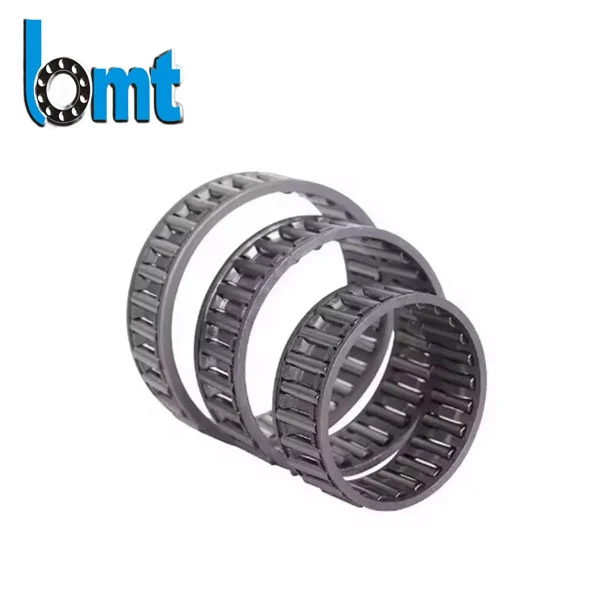
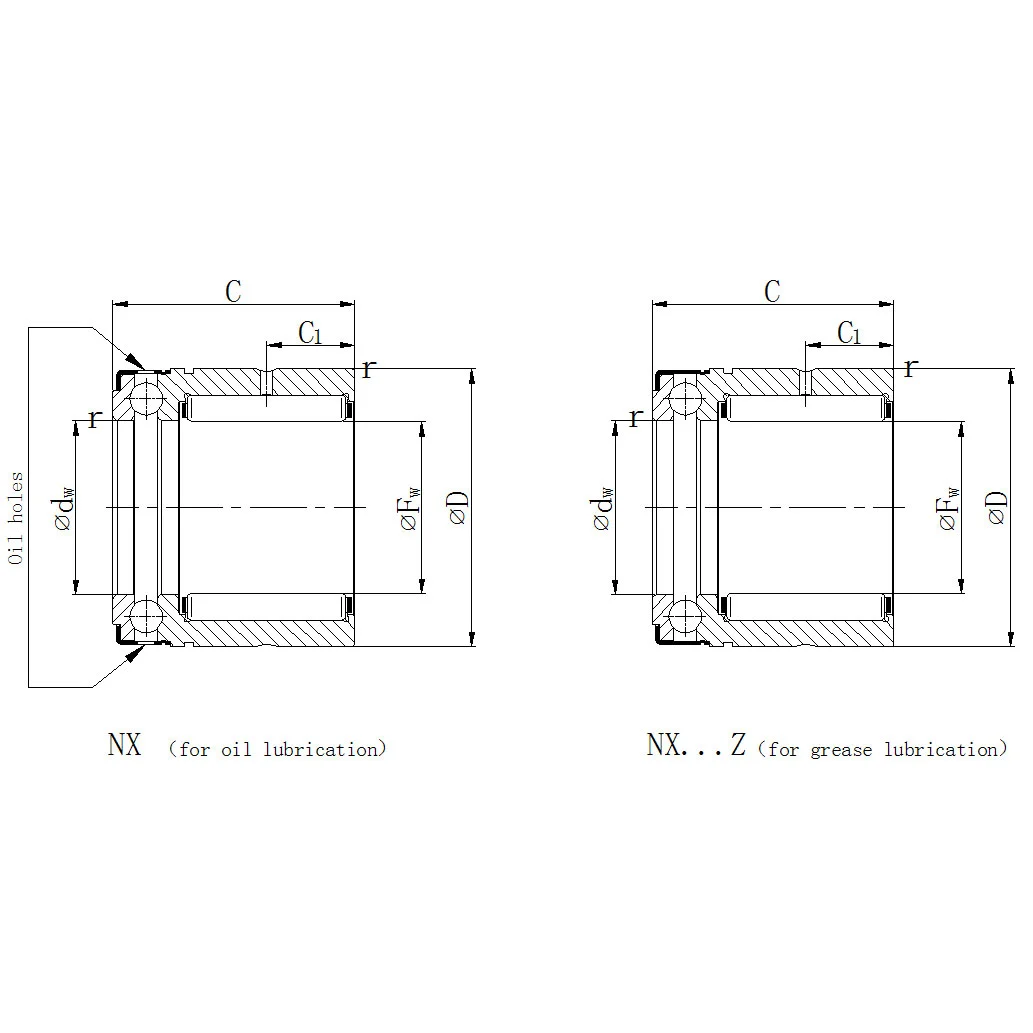
Technical Parameters
| Combined radial/axial bearings: NX series | |||||||||||||
| Dimensions(mm) | Basic load ratings | ||||||||||||
| Designation (Oil) | Designation (Grease) | Fw (mm) | D (mm) | C –0.25 (mm) | C1 (mm) | dw E8 (mm) | r min. (mm) | dyn. Cr (KN) | stat. Cor (KN) | dyn. Ca (KN) | stat. Coa (KN) | Recommended inner ring | Suitable snap rings |
| NX7-TV | NX7-Z-TV | 7 | 14 | 18 | 4.7 | 7 | 0.3 | 2.85 | 2.65 | 3.15 | 4.3 | – | WR14 |
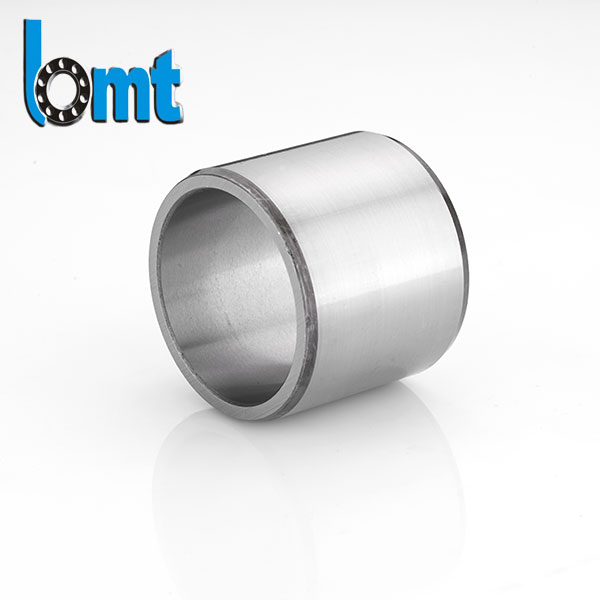
| NX10 | NX10-Z | 10 | 19 | 18 | 4.7 | 10 | 0.3 | 4.45 | 3.7 | 4.6 | 7.2 | IR6X10X10-IS1 | WR19 |
| NX12 | NX12-Z | 12 | 21 | 18 | 4.7 | 12 | 0.3 | 4.8 | 4.3 | 4.85 | 8.2 | IR8X12X10-IS1 | WR21 |
| NX15 | NX15-Z | 15 | 24 | 28 | 8 | 15 | 0.3 | 10.7 | 12.7 | 5.6 | 10.4 | IR12X15X16 | WR24 |
| NX17 | NX17-Z | 17 | 26 | 28 | 8 | 17 | 0.3 | 11.9 | 15 | 5.8 | 11.5 | IR14X17X17 | WR26 |
| NX20 | NX20-Z | 20 | 30 | 28 | 8 | 20 | 0.3 | 13 | 17.5 | 7 | 14.7 | IR17X20X16 | WR30 |
| NX25 | NX25-Z | 25 | 37 | 30 | 8 | 25 | 0.3 | 14.9 | 22.4 | 11.1 | 24.3 | IR20X25X16-IS1 | WR37 |
| NX30 | NX30-Z | 30 | 42 | 30 | 10 | 30 | 0.3 | 22.6 | 36 | 11.7 | 28 | IR25X30X20 | WR42 |
| NX35 | NX35-Z | 35 | 47 | 30 | 10 | 35 | 0.3 | 24.3 | 41.5 | 12.4 | 32.5 | IR30X35X20 | WR47 |
| Combined radial/axial bearings: NKX | ||||||||||||||
| Designation | Bearing with retaining cap | Fw (mm) | D (mm) | D1 max. (mm) | D2 max. (mm) | C (mm) | C1 (mm) | C2 min. (mm) | dw (mm) | r (mm) | radial dyn. Cr (KN) | radial stat. Cor (KN) | axial dyn. Cr (KN) | axial stat. Cor (KN) |
| NKX10-TV | NKX10-Z-TV | 10 | 19 | 24.1 | 25.2 | 23 | 9 | 6.5 | 10 | 0.3 | 6.2 | 7.8 | 10 | 14 |
| NKX12 | NKX12-Z | 12 | 21 | 26.1 | 27.2 | 23 | 9 | 6.5 | 12 | 0.3 | 9 | 11 | 10.3 | 15.4 |
| NKX15 | NKX15-Z | 15 | 24 | 28.1 | 29.2 | 23 | 9 | 6.5 | 15 | 0.3 | 10.7 | 12.7 | 10.5 | 16.8 |
| NKX17 | NKX17-Z | 17 | 26 | 30.1 | 31.2 | 25 | 9 | 8 | 17 | 0.3 | 11.9 | 15 | 10.8 | 18.2 |
| NKX20 | NKX20-Z | 20 | 30 | 35.1 | 36.2 | 30 | 10 | 10.5 | 20 | 0.3 | 16.4 | 23.8 | 14.3 | 24.7 |
| NKX25 | NKX25-Z | 25 | 37 | 42.1 | 43.2 | 30 | 11 | 9.5 | 25 | 0.6 | 18.8 | 30.5 | 19.6 | 37.5 |
| NKX30 | NKX30-Z | 30 | 42 | 47.1 | 48.2 | 30 | 11 | 9.5 | 30 | 0.6 | 22.6 | 36 | 20.4 | 42 |
| NKX35 | NKX35-Z | 35 | 47 | 52.1 | 53.2 | 30 | 12 | 9 | 35 | 0.6 | 24.3 | 41.5 | 21.2 | 47 |
| NKX40 | NKX40-Z | 40 | 52 | 60.1 | 61.2 | 32 | 13 | 10 | 40 | 0.6 | 26 | 47 | 27 | 63 |
| NKX45 | NKX45-Z | 45 | 58 | 65.2 | 66.5 | 32 | 14 | 9 | 45 | 0.6 | 27.5 | 53 | 28 | 69 |
| NKX50 | NKX50-Z | 50 | 62 | 70.2 | 71.5 | 35 | 14 | 10 | 50 | 0.6 | 38 | 74 | 29 | 75 |
| NKX60 | NKX60-Z | 60 | 72 | 85.2 | 86.5 | 40 | 17 | 12 | 60 | 1 | 42 | 90 | 41.5 | 113 |
| NKX70 | NKX70-Z | 70 | 85 | 95.2 | 96.5 | 40 | 18 | 11 | 70 | 1 | 44.5 | 92 | 43 | 127 |
Core features
Unlike ordinary deep groove bearings, our combined structure integrates radial and axial load performance into one optimized unit.
Precision Raceway Processing
The inner and outer raceways are processed through automatic grinding production lines with strict tolerance control. This helps reduce:
· Abnormal vibration
· Uneven load distribution
· Premature surface fatigue
For customers using high-speed rotating equipment, this directly improves running smoothness and bearing consistency.
Bearing Steel and Heat Treatment
We typically use high-carbon chromium bearing steel such as GCr15.
The rings and rolling elements go through:
1. Controlled heat treatment
2. Hardness stabilization
3. Precision finishing
The final hardness generally reaches HRC60-64 depending on application requirements.
This process improves:
· Wear resistance
· Contact fatigue life
· Dimensional stability during long operating cycles
Suitable for Demanding Working Environments
Our experience exporting bearings to industrial users in Southeast Asia, South America, and Europe has shown that combined radial-axial structures perform especially well in:
· Continuous start-stop systems
· Medium to high-speed rotation
· Equipment exposed to moderate vibration
· Compact mechanical assemblies with limited installation space
For example, several automation equipment customers use BMT Combined Radial-Axial Bearings in indexing tables and servo-driven assemblies where positioning accuracy is important.
In these applications, stable axial guidance matters as much as rotational performance.
Production and Quality Control Inside Our Factory
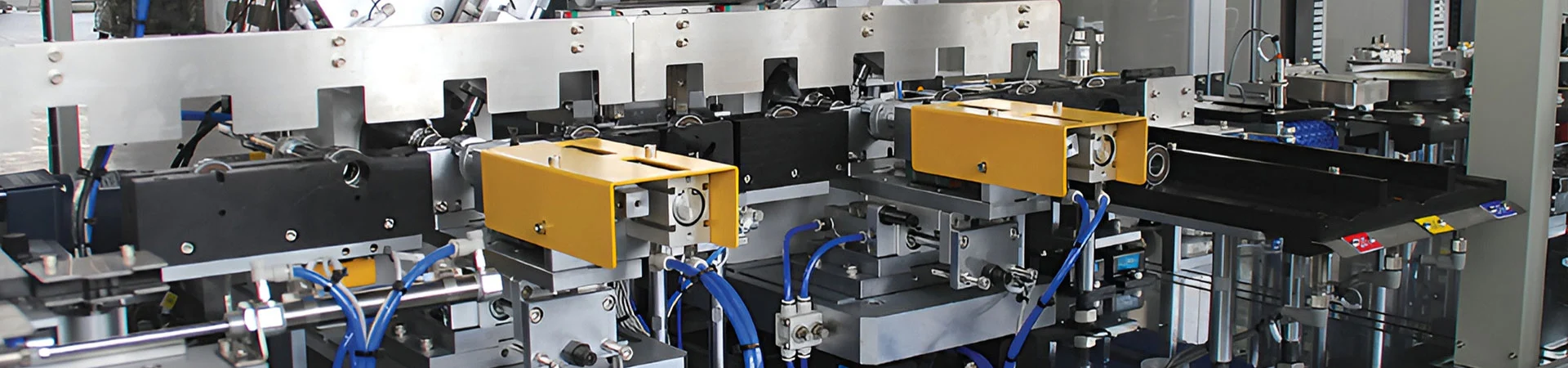
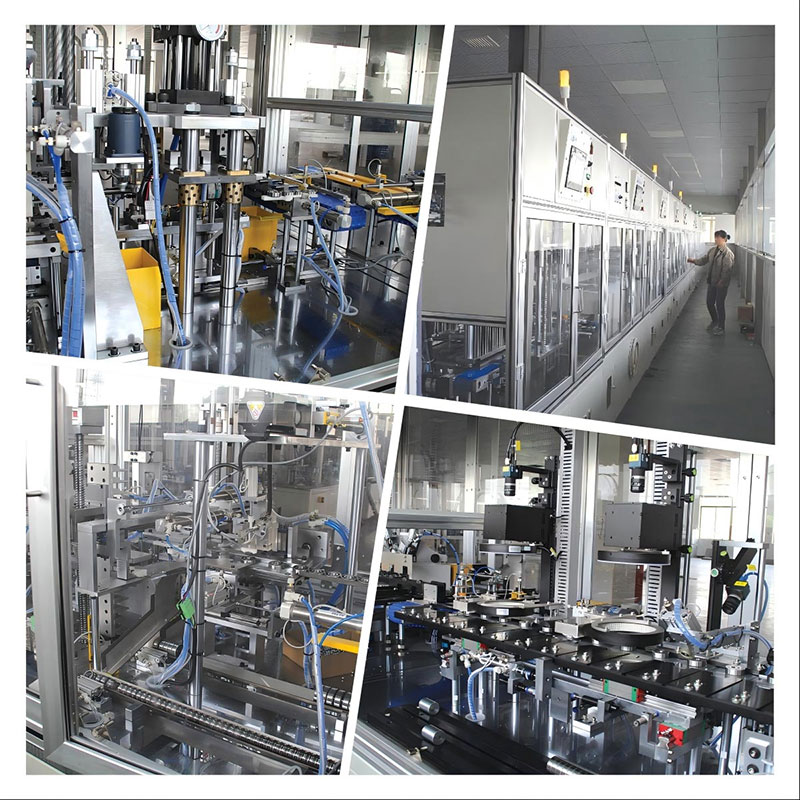
BMT Bearings operates automatic grinding and assembly lines with annual production capacity exceeding 100 million bearing units.
For Combined Radial-Axial Bearings, every production batch goes through:
· Raceway roundness inspection
· Noise and vibration testing
· Clearance measurement
· Dimensional accuracy verification
· Grease performance evaluation when lubrication is required
We also use automatic measuring instruments to reduce human deviation during inspection.
This is especially important for customers purchasing bearings for OEM equipment, because even small dimensional inconsistencies can affect assembly accuracy.
Compared with Conventional Bearing Solutions
In practical use, many customers switch from traditional bearing combinations to integrated Combined Radial-Axial Bearings because they want:
· Easier installation
· Fewer components
· Better alignment accuracy
· Reduced maintenance frequency
A standard bearing arrangement may require separate thrust and radial bearings, increasing housing complexity.
A combined design reduces that complexity while maintaining stable load performance.
However, we usually recommend confirming:
· Rotational speed
· Load direction
· Lubrication condition
· Operating temperature
before selecting the bearing structure.
This helps avoid overdesign or insufficient load capacity.
Typical Applications
Industrial Automation Equipment
Used in robotic positioning systems, indexing tables, and automated assembly lines requiring accurate axial positioning.
Machine Tools
Applied in spindle systems and precision rotating assemblies where both radial rigidity and axial stability are necessary.
Lifting and Conveyor Systems
Suitable for equipment operating under combined dynamic loads and continuous running conditions.
Electric Motors and Pumps
Helps improve rotational stability while reducing operational vibration in compact drive systems.
OEM and Custom Manufacturing Support
We support:
· OEM bearing production
· Customized dimensions
· Non-standard bearing development
· Laser marking and private label packaging
· Bulk export orders
Non-standard bearing development has been part of our manufacturing experience since 2005, and it remains one of BMT Bearings’ core strengths today.
Our engineering team can assist customers in selecting suitable internal clearance, sealing structure, lubrication method, and material configuration according to the actual working condition.
Why Many Buyers Continue Working with BMT Bearings
Many overseas customers continue sourcing from BMT not because of aggressive pricing alone, but because stable quality reduces downtime and replacement frequency over time.
In bearing applications, consistency matters more than short-term cost savings.
We understand that industrial buyers care about:
· Reliable delivery
· Repeatable quality
· Technical communication
· Traceable production standards
That is why we continue investing in automatic production equipment, inspection systems, and long-term manufacturing control rather than only expanding volume.
Hot Tags: Combined Radial-Axial Bearings
Related Category
Send Inquiry
Contact Info
-
Address
No.183,Longfeng,West of Zhangting industrial Zone,Yuyao,Ningbo,China
-
Tel
-
E-mail
Submit specifications for Industrial Bearings, Deep Groove Ball Bearings, Taper Roller Bearings, and more. BMT’s team responds within 24 hours with competitive pricing for durable bearings.