How Do Double Row Angular Contact Ball Bearings Handle Combined Loads Better Than Single Row Bearings
Double Row Angular Contact Ball Bearings are widely recognized for their superior ability to handle combined axial and radial loads in demanding industrial applications. Compared with single row bearings, their unique internal structure provides enhanced stiffness, higher load capacity, and improved operational stability. This in-depth guide explores how double row angular contact ball bearings work, why they outperform single row designs, and how to select the right bearing for your machinery. Drawing on industry insights and practical use cases, this article serves as a comprehensive reference for engineers, procurement managers, and manufacturers seeking reliable bearing solutions from trusted suppliers such as BMT.
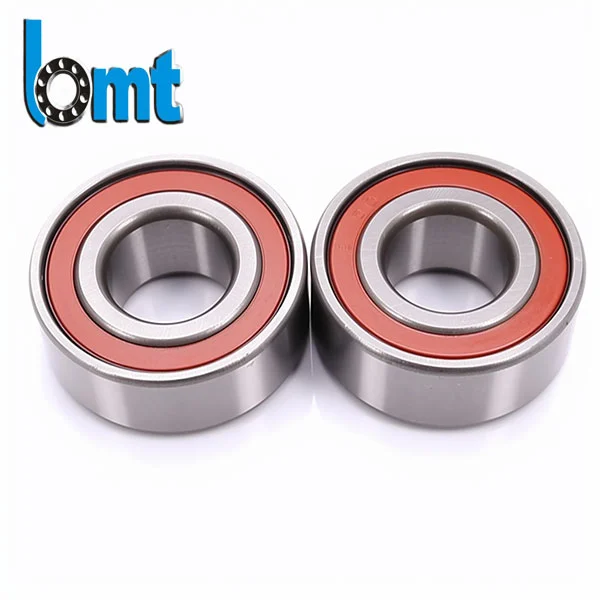
Table of Contents
- 1. What Are Double Row Angular Contact Ball Bearings?
- 2. Understanding Combined Loads in Bearing Applications
- 3. Structural Differences: Double Row vs. Single Row Bearings
- 4. How Double Row Angular Contact Ball Bearings Handle Combined Loads
- 5. Key Performance Advantages in Industrial Machinery
- 6. Common Applications and Industry Use Cases
- 7. Selection Guide: How to Choose the Right Bearing
- 8. Maintenance, Lubrication, and Service Life
- 9. Frequently Asked Questions (FAQ)
1. What Are Double Row Angular Contact Ball Bearings?
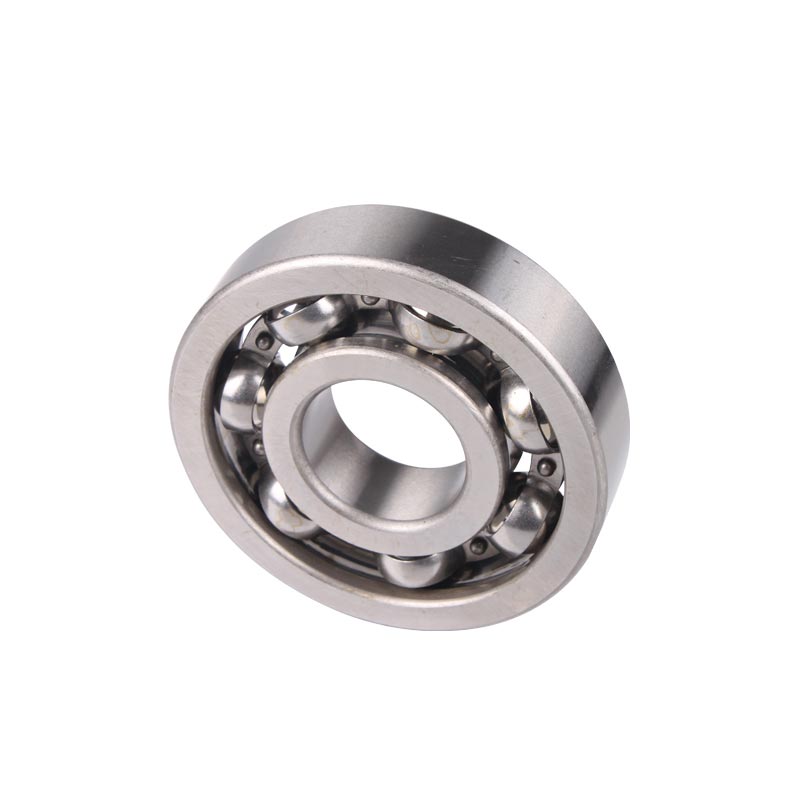
Double Row Angular Contact Ball Bearings are precision rolling-element bearings designed with two rows of balls arranged back-to-back or face-to-face within a single outer ring. This configuration allows the bearing to accommodate both radial loads and axial loads acting in both directions simultaneously.
Unlike single row angular contact bearings, which typically handle axial loads in only one direction, double row designs integrate the functionality of a matched bearing pair into a single compact unit. This makes them an efficient and space-saving solution for machinery requiring high load capacity and excellent alignment performance.
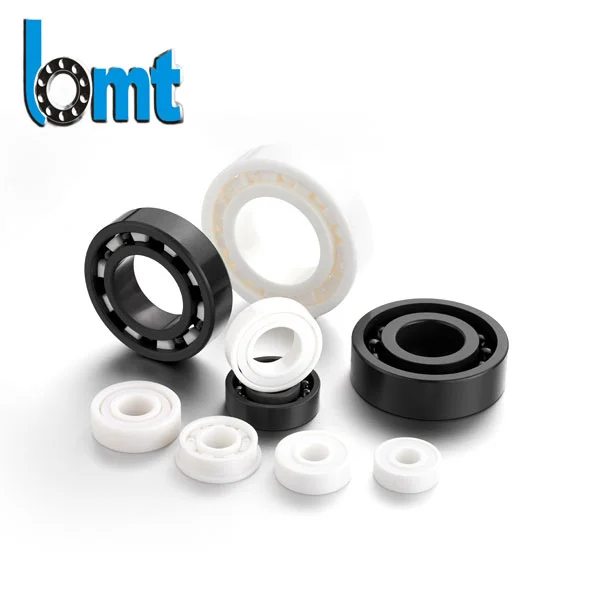
- Two rows of precision steel or ceramic balls
- Optimized contact angles for load distribution
- High rigidity and axial stiffness
- Preloaded design options available
2. Understanding Combined Loads in Bearing Applications
In real-world mechanical systems, bearings rarely experience purely radial or purely axial loads. Instead, they must withstand combined loads—a mix of forces acting both perpendicular and parallel to the shaft.
Typical sources of combined loads include:
- High-speed rotation with thrust forces
- Gear meshing and transmission torque
- Machine tool cutting forces
- Thermal expansion and misalignment
Bearings that cannot effectively manage these forces may suffer from premature wear, vibration, increased friction, or catastrophic failure. This is where double row angular contact ball bearings demonstrate clear advantages.
3. Structural Differences: Double Row vs. Single Row Bearings
| Feature | Single Row Angular Contact Bearings | Double Row Angular Contact Bearings |
|---|---|---|
| Axial Load Direction | One direction | Both directions |
| Load Capacity | Moderate | High |
| Structural Rigidity | Lower | Higher |
| Installation Complexity | May require pairing | Single-unit installation |
| Space Efficiency | Limited | Compact design |
The double row design essentially replaces two single row bearings mounted in opposition, offering improved alignment accuracy and reduced installation errors.
4. How Double Row Angular Contact Ball Bearings Handle Combined Loads
The superior load-handling capability of double row angular contact ball bearings comes from their internal geometry and load-sharing mechanism.
Key Mechanisms at Work
- Optimized contact angles distribute axial forces evenly across both rows
- Symmetrical load paths reduce localized stress points
- Increased number of rolling elements enhances overall load capacity
- Improved shaft support minimizes deflection under heavy loads
As a result, these bearings maintain stable operation even under fluctuating or shock loads, making them ideal for high-performance equipment supplied by manufacturers like BMT.
5. Key Performance Advantages in Industrial Machinery
When compared to alternative bearing solutions, double row angular contact ball bearings offer several performance benefits:
- Higher axial and radial load ratings
- Reduced vibration and noise levels
- Enhanced rotational accuracy
- Longer service life under demanding conditions
- Lower total cost of ownership
These advantages make them a preferred choice in applications where uptime, precision, and reliability are critical.
6. Common Applications and Industry Use Cases
Double row angular contact ball bearings are used across a wide range of industries, including:
- Machine tools and CNC equipment
- Industrial gearboxes
- Electric motors and generators
- Compressors and pumps
- Robotics and automation systems
In each of these applications, the ability to withstand combined loads ensures consistent performance and reduced maintenance requirements.
7. Selection Guide: How to Choose the Right Bearing
Selecting the correct double row angular contact ball bearing requires careful evaluation of operating conditions:
- Determine radial and axial load requirements
- Assess operating speed and temperature range
- Consider shaft and housing tolerances
- Choose appropriate lubrication and sealing options
- Partner with a reliable supplier such as BMT
Working with an experienced manufacturer ensures optimal bearing performance and long-term reliability.
8. Maintenance, Lubrication, and Service Life
Proper maintenance is essential to maximizing the service life of double row angular contact ball bearings.
- Use recommended lubricants for the application
- Monitor operating temperature and vibration
- Ensure correct installation and alignment
- Perform periodic inspections
With proper care, these bearings can deliver consistent performance even in harsh operating environments.
9. Frequently Asked Questions (FAQ)
Q1: Can double row angular contact ball bearings replace two single row bearings?
Yes. They are designed to function as a matched pair, offering equivalent or superior performance in a more compact form.
Q2: Are these bearings suitable for high-speed applications?
Absolutely. With proper lubrication and design, they perform reliably in high-speed environments.
Q3: Do double row bearings require special installation tools?
Standard bearing installation tools are typically sufficient, though precision alignment is recommended.
Q4: How do they improve machine reliability?
By evenly distributing combined loads and reducing stress concentrations, they minimize wear and extend equipment life.
Conclusion
Double Row Angular Contact Ball Bearings offer a powerful solution for managing combined loads in modern industrial machinery. Their robust design, high load capacity, and precision performance make them an essential component in high-demand applications. By choosing a trusted supplier like BMT, manufacturers and engineers can ensure optimal bearing performance, reduced downtime, and long-term operational success.
If you are looking for reliable, high-quality double row angular contact ball bearings tailored to your application needs, contact us today to discuss your requirements and discover how BMT can support your business with professional bearing solutions.
Related News
- Why Are 206KRRB6 Hex Bore Series Agricultural Bearings a Smart Choice for Demanding Farm Machinery
- Why Are BAA-0003 Agricultural Hub Units a Smart Choice for Demanding Farm Machinery
- Why Are GW208PPB5 Square Bore Agricultural Bearings a Smart Choice for Demanding Farm Machinery
- How Does a Deep Groove Ball Bearing Improve Machine Performance?
- How Do Turbocharger Bearings Improve Turbocharger Performance and Reliability?
- How Do Clutch Release Bearings Improve Vehicle Performance and Driving Comfort?
Leave me a message