Bearing Failure Analysis: Easy to Understand at a Glance
Whether it's international or national standards, bearing failures are broadly classified into six main categories. Here, I can suggest a few classifications for you. First, failures originating from within the bearing steel; second, failures originating from the surface of the bearing steel. This article mainly analyzes failures originating from the outside.
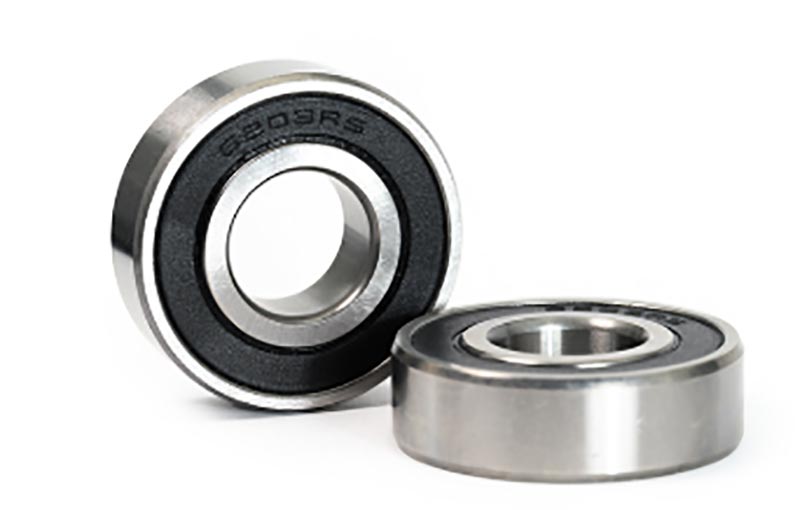
When a bearing is operating, the surface of the steel material, if operating normally, will show a flat and smooth appearance after break-in. "Failure from the outside" means that this flat and smooth appearance has changed, for example, "scratched," "gouged," "dented," "pitted," "broken," etc. However, no matter what, since the failure comes from the outside, we must look for the cause from the outside.
First, scratching or rubbing. We know that when a rolling bearing operates, there is rolling friction internally. That is, the rolling elements and the raceway are rolling against each other. Since it's rolling, there shouldn't be any "scratching." What does "scratching" mean? If "scratching" occurs, what would you suspect? The general direction is: there is sliding. If there is sliding, then something is wrong. What causes the sliding? Is the minimum load insufficient? Is there contamination? Or are there other internal obstructions that prevent the rolling elements from achieving pure rolling?
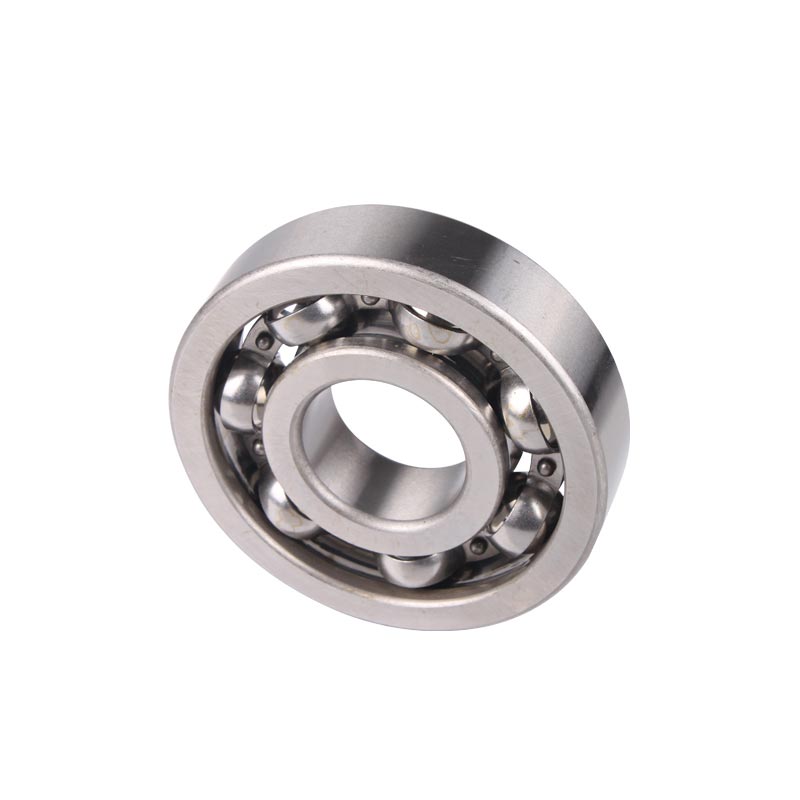
Second, gouging. Gouging is even more abnormal. How can a perfectly spherical or cylindrical rolling element rolling on a raceway, without sharp edges, cause gouging? The answer is clear: other shapes or objects have entered. The most common are contaminant particles. Of course, if you see a scratch on the surface, you should also check if it was caused by interference from other components. There is another type of gouging, which isn't really gouging, but rather material transfer from the raceway to the ball, or vice versa. This situation may be due to excessive load or insufficient lubrication viscosity.
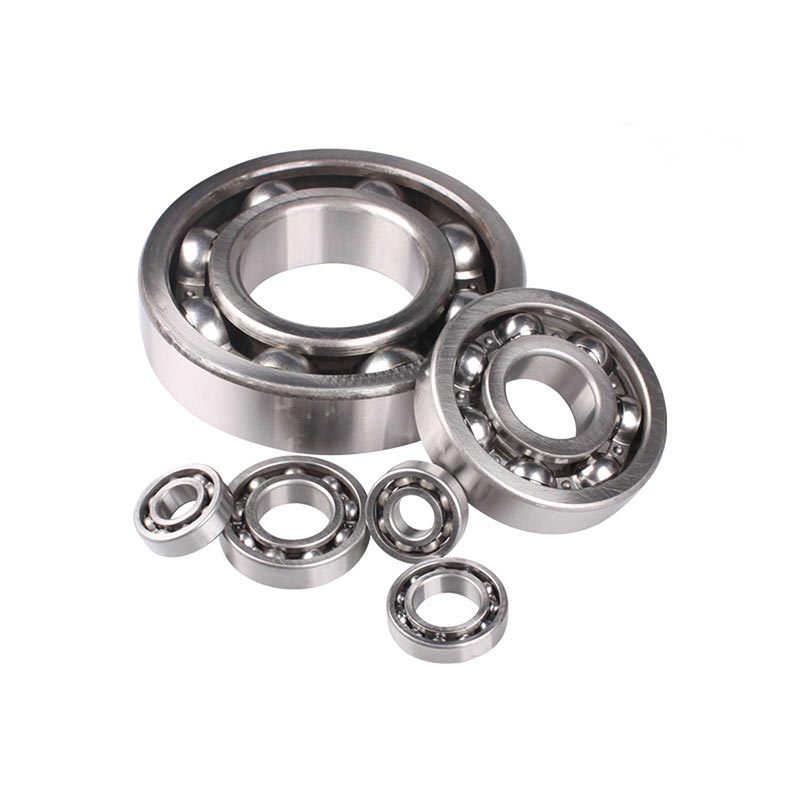
Third, dents and pits. There are several types of dents. 1. Large area material loss. For example, the cage is worn thin, the raceway is worn thin, etc. In this case, check the lubrication status and the degree of contamination. 2. A localized pit. Check the positional relationship of the pits. If there is a relationship between the pit spacing and the rolling element spacing, then you can suspect that the bearing received a large load impact when it was not rotating (including rough installation), or prolonged vibration. 3. The surface is covered with numerous tiny pits, sometimes invisible to the naked eye. This condition is often suspected to be related to electrical erosion. These tiny pits can be seen with a microscope or magnifying glass. The same applies to the so-called washboard pattern. 4. If the entire component shows plastic deformation, then you should definitely investigate impact loading.
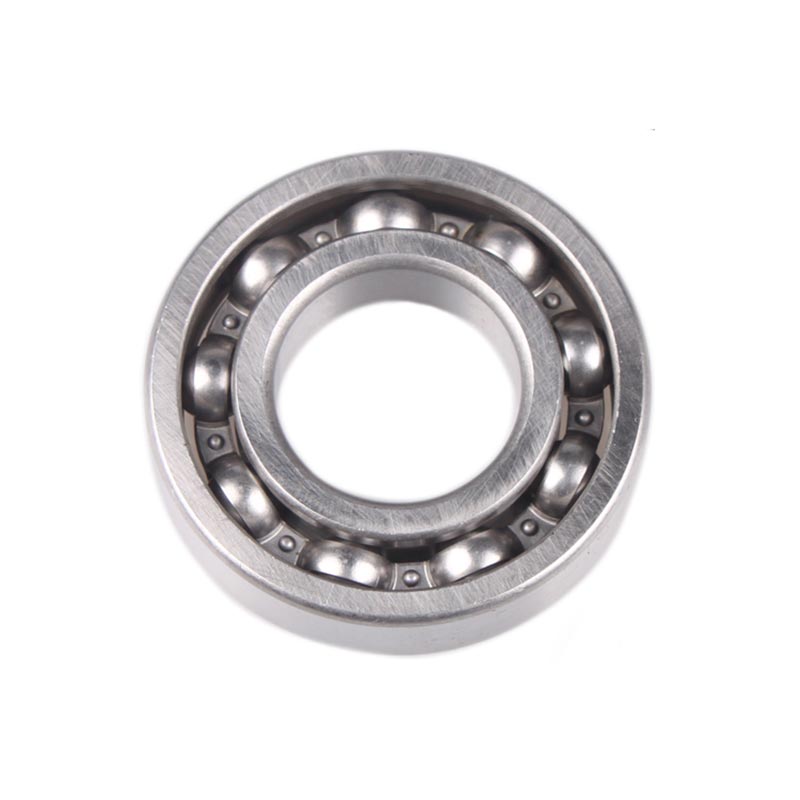
Fourth, it broke. If it broke, it's simple; just look at it. Did the bearing ring break, or the cage, or did the balls break in half? 1. If the ring broke, examine the fracture surface. If it's an axial crack, check the fit and check for overheating. If it's a circumferential crack, examine the edges of the crack. If there are shell-shaped marks, it's fatigue fracture; if there is other plastic deformation, it's impact fracture (possibly involving rough handling). 2. If the cage broke, the cage generally doesn't bear a large load. If the cage breaks, first check if there are any of the problems mentioned earlier, such as wear or rubbing. If it fractured directly, you can check for frequent starts, vibrations, and other operating conditions.
Most externally damaged bearings are related to their application.
Related News
Leave me a message