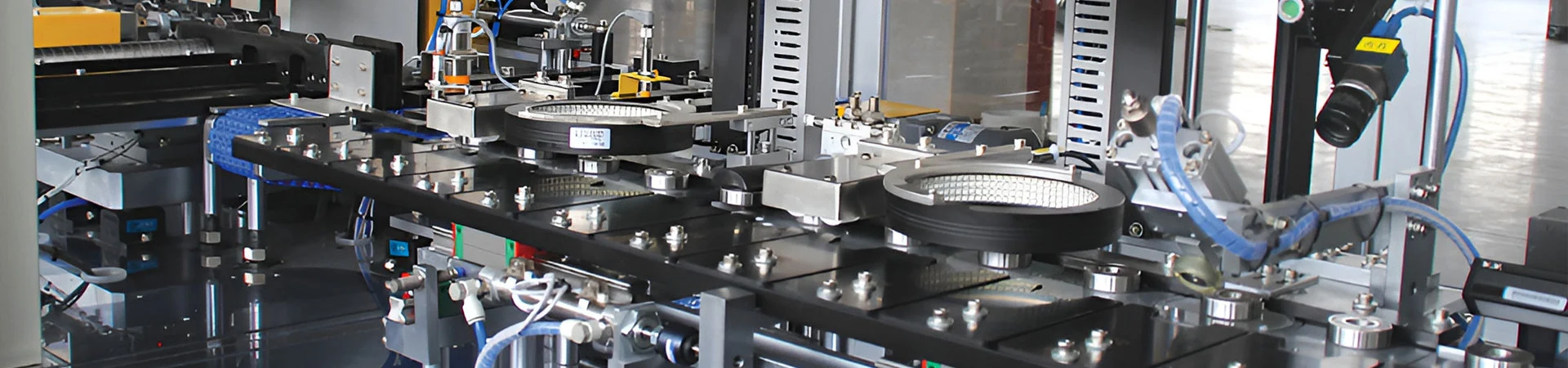
Bearings: the "Food of the Machinery Industry"
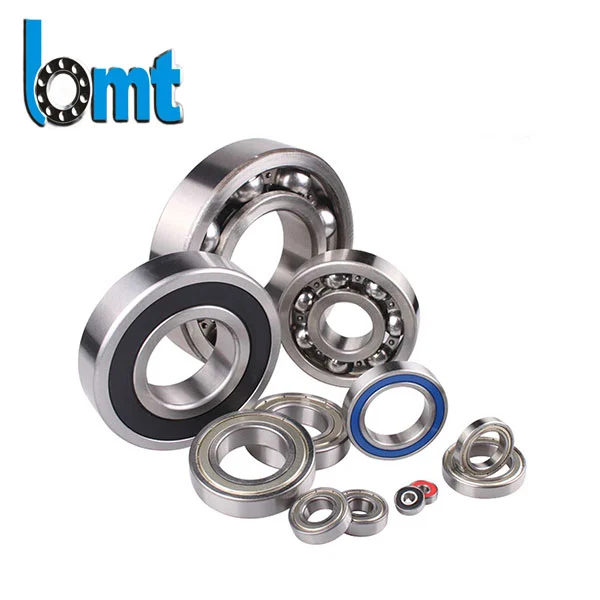
Bearings are known as the "food of the machinery industry" and are an important part widely used in various machines.
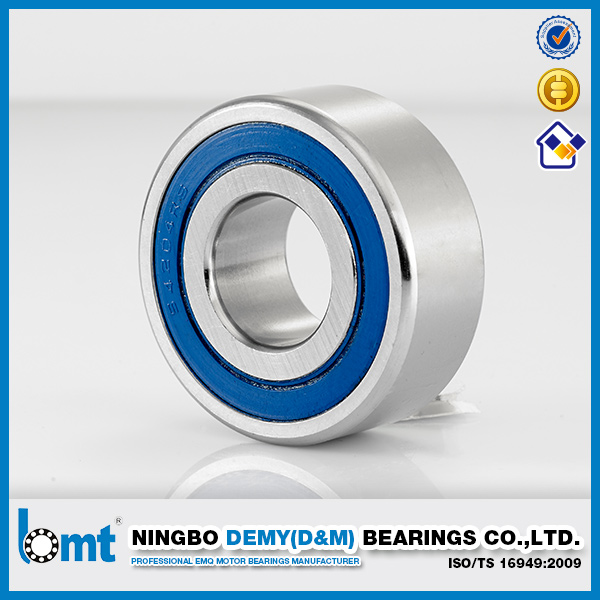
1. What exactly is a bearing?
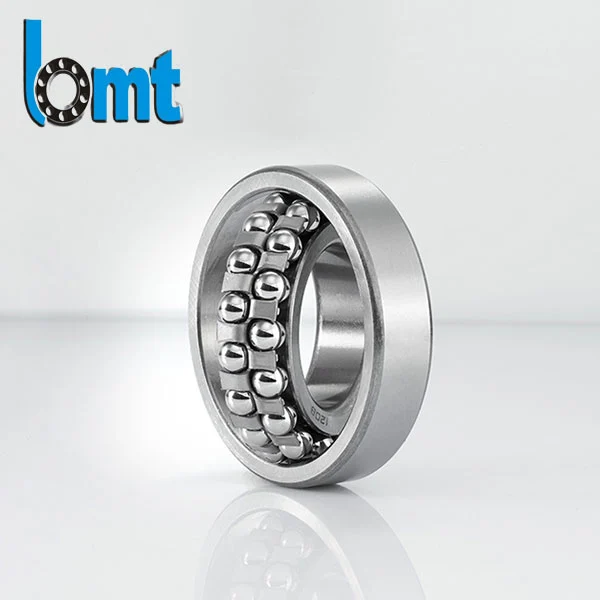
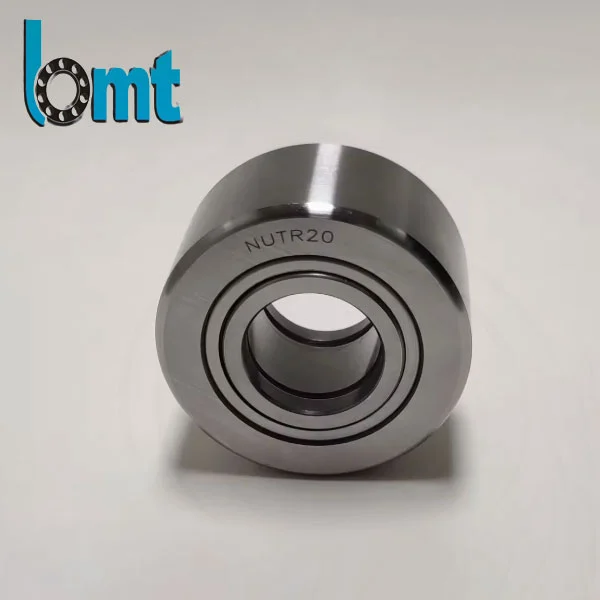
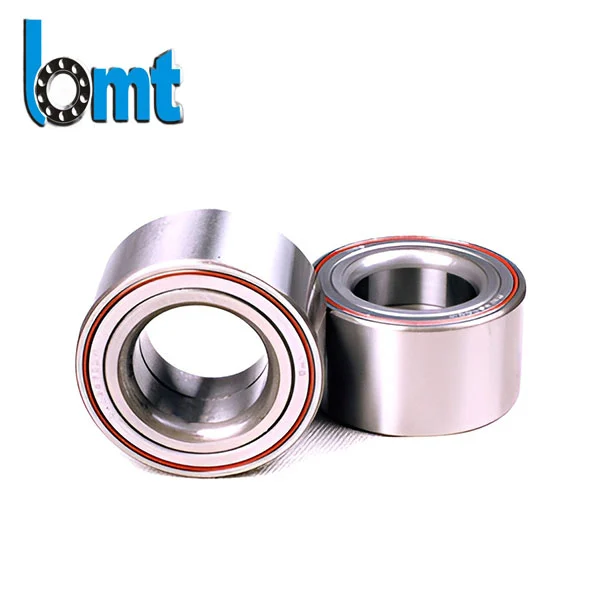
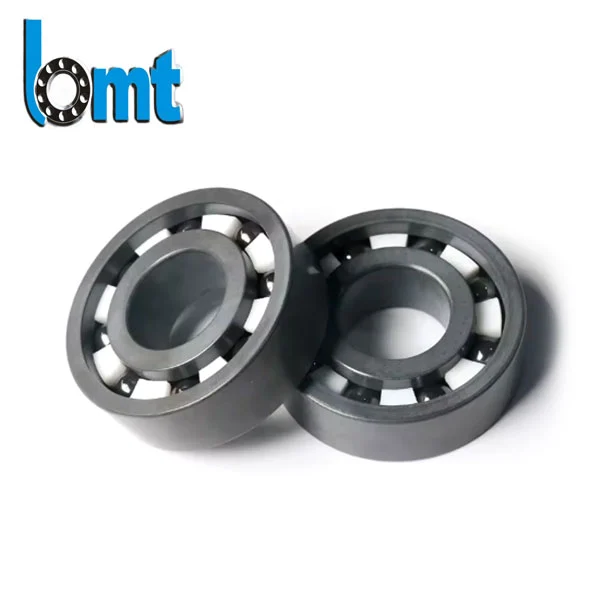
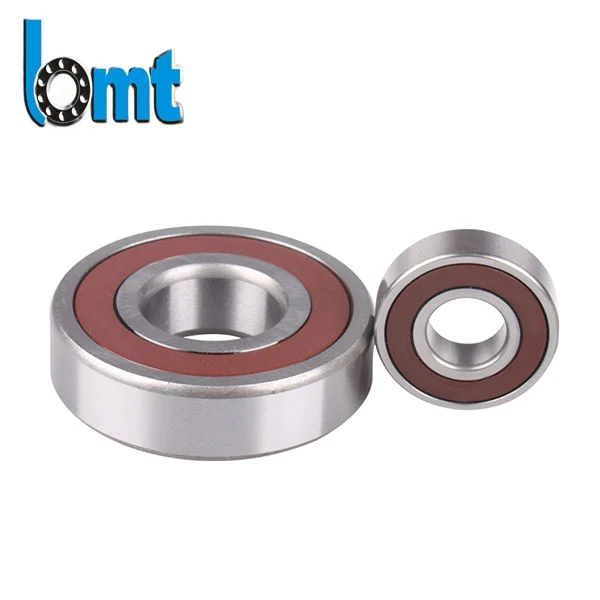
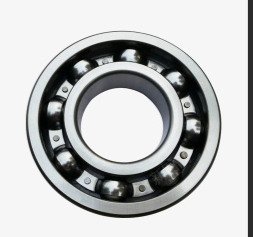
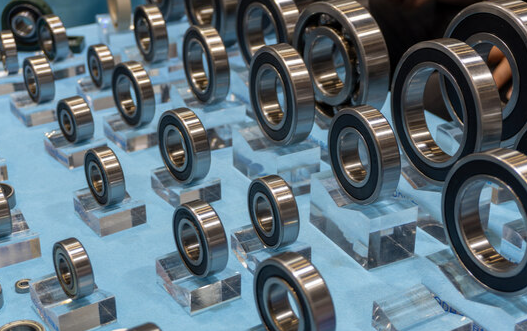
A bearing is a part that helps an object turn. As the name suggests, a bearing is a part that supports the "shaft" that rotates in the machine.
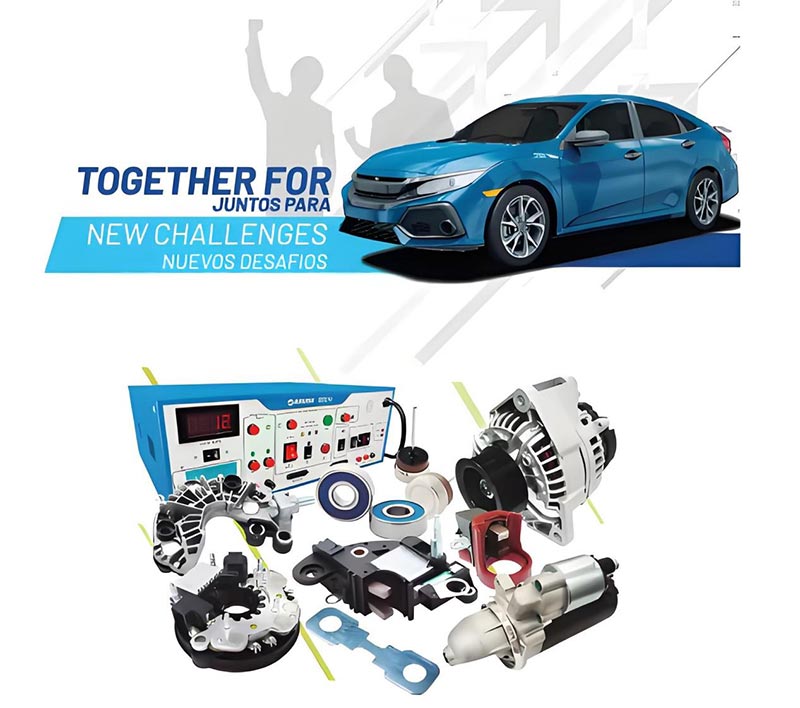
Machines that use bearings are cars, airplanes, generators, and many more. Household appliances such as refrigerators, vacuum cleaners, and air conditioners commonly used in our lives also use bearings. In these machines, bearings are responsible for supporting the "shaft" on which parts such as wheels, gears, turbines, rotors, etc. are installed, helping the shaft rotate smoothly.
Because many rotating "shafts" are used in various machines, bearings have become an essential part and are known as the "food of the machinery industry". This part may seem inconspicuous, but it is actually very important. Without it, we would not be able to live normally.
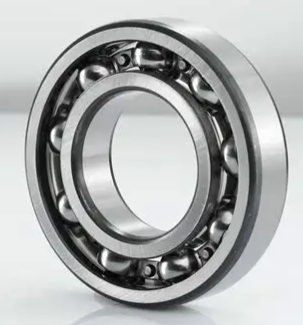
2. Why is it important? The role of bearings
What role do bearings play in order to make the machine run smoothly?
It has two major functions.
- Reduce friction and make rotation smoother
Friction is bound to occur between the rotating "shaft" and the rotating support part. The bearing is used between the rotating "shaft" and the rotating support section.
Bearings can reduce friction, allowing for smoother rotation and reduced energy consumption. This is where bearings come in.
- Protect the rotating support part so that the rotating "axis" is kept in the correct position
There is a lot of force between the rotating "shaft" and the rotating support part. The bearing prevents the rotating support part from being damaged by this force, keeping the rotating "shaft" in the correct position.
It is thanks to these actions of bearings that we can use the machine repeatedly for a long time.
Related News
- Why Are 206KRRB6 Hex Bore Series Agricultural Bearings a Smart Choice for Demanding Farm Machinery
- Why Are BAA-0003 Agricultural Hub Units a Smart Choice for Demanding Farm Machinery
- Why Are GW208PPB5 Square Bore Agricultural Bearings a Smart Choice for Demanding Farm Machinery
- How Does a Deep Groove Ball Bearing Improve Machine Performance?
- How Do Turbocharger Bearings Improve Turbocharger Performance and Reliability?
- How Do Clutch Release Bearings Improve Vehicle Performance and Driving Comfort?
Leave me a message