How Can Ball Bearing Steel Balls Improve Precision, Durability, and Machinery Performance
When machinery operates at high speed or under continuous loads, the quality of its rolling elements directly affects reliability and service life. BMT supplies precision Ball Bearing Steel Ball solutions designed to support smooth rotation, consistent dimensions, and dependable performance across automotive, industrial, agricultural, and household applications.
Ball bearing steel balls are precision-engineered components that reduce friction and support controlled rolling motion in bearing assemblies. Their performance depends on material selection, heat treatment, dimensional accuracy, roundness, and surface finish. Chrome steel is widely used for demanding load-bearing applications, while stainless steel offers improved corrosion resistance in suitable environments. This guide explains the main material options, manufacturing processes, precision grades, applications, and purchasing considerations that engineers and procurement teams should evaluate when sourcing steel balls. It also outlines how BMT supports industrial buyers with product selection, customization, and quality-focused manufacturing.
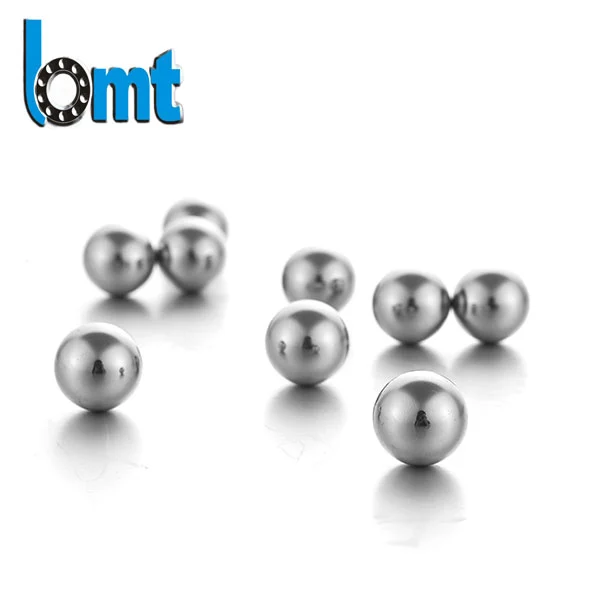
Table of Contents
- What Are Ball Bearing Steel Balls?
- Why Does Steel Ball Quality Matter?
- Which Materials Are Available?
- How Are Precision Steel Balls Manufactured?
- How Do Size and Precision Grades Affect Performance?
- Where Are Steel Balls Commonly Used?
- How Should Buyers Select Steel Balls?
- What Quality Checks Should Buyers Request?
- Frequently Asked Questions
- Conclusion: Choosing a Reliable Supplier
What Are Ball Bearing Steel Balls?
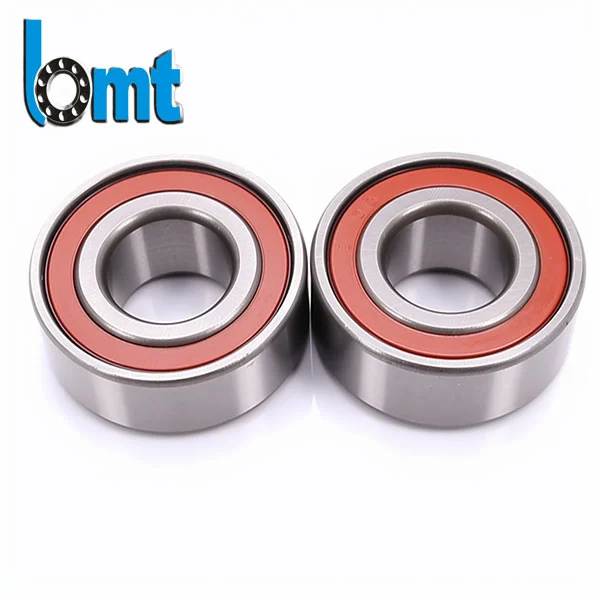
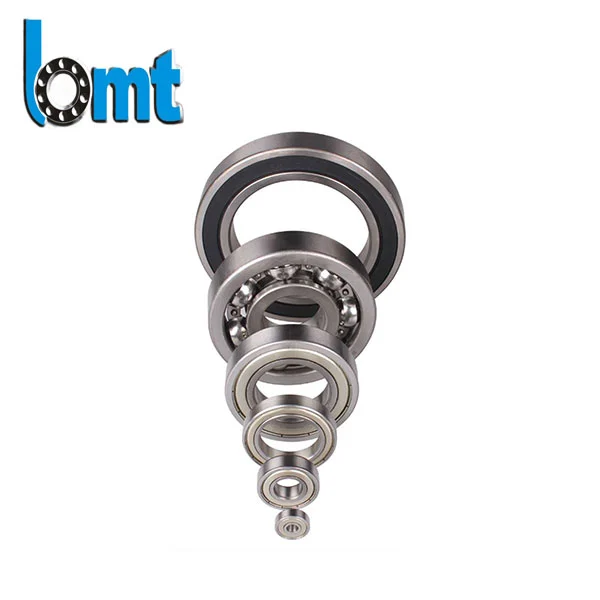
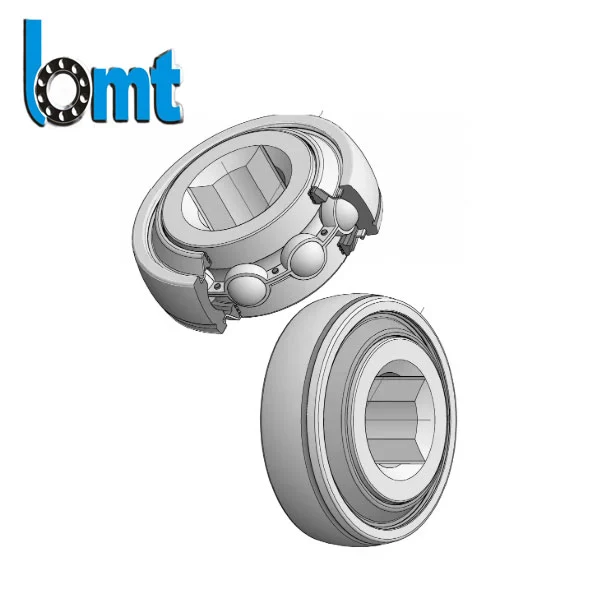
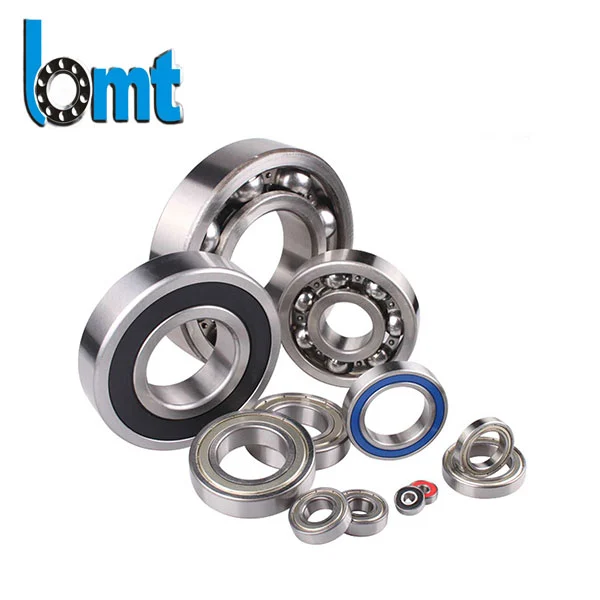
Ball bearing steel balls are spherical rolling elements installed between the inner and outer rings of a ball bearing. As the bearing rotates, these balls distribute loads and enable relative movement while reducing friction compared with direct sliding contact.
Although a steel ball may appear simple, its geometry and surface condition require careful control. Small deviations in diameter, roundness, or surface finish can influence vibration, noise, contact stress, and the overall performance of the bearing assembly.
High-quality steel balls are commonly manufactured from hardened bearing steel, with stainless steel and carbon steel available for applications requiring different combinations of mechanical performance, corrosion resistance, and cost.
BMT has specialized in bearing manufacturing and bearing components since 2004. Its product range includes steel balls intended for bearing assemblies used in motors, pumps, automotive systems, agricultural machinery, and other industrial equipment.
For related components, buyers can explore linear ball bearings and industrial bearings to understand how rolling elements contribute to different motion systems.
Why Does Steel Ball Quality Matter?
The quality of rolling elements affects more than the smoothness of rotation. In applications involving continuous operation, repeated loading, or demanding speed requirements, material and manufacturing consistency are important factors in controlling premature wear and unexpected downtime.
Several characteristics deserve particular attention:
- Dimensional accuracy: Consistent ball diameters help maintain the intended internal geometry and load distribution.
- Roundness: A spherical profile with controlled deviations supports stable rolling contact.
- Hardness: Appropriate heat treatment helps the ball resist permanent deformation and surface wear.
- Surface finish: Smooth surfaces help reduce friction, contact disturbances, and unnecessary noise.
- Material cleanliness: Controlled steel quality and appropriate heat treatment help reduce the risk of fatigue-related failures.
- Batch consistency: Uniform production quality is essential for bearing manufacturers assembling large quantities of components.
These properties work together rather than independently. For example, a very hard ball may still perform poorly if its surface contains defects or its dimensions do not meet the required tolerances. Buyers should therefore evaluate the complete specification instead of relying on hardness alone.
Which Materials Are Available for Ball Bearing Steel Balls?
Material selection should reflect the operating environment, expected load, corrosion exposure, and required service life. Chrome steel is a common choice for general-purpose precision bearings, while stainless steel is appropriate when corrosion resistance is a higher priority.
| Material | Main Characteristics | Typical Applications | Key Consideration |
|---|---|---|---|
| Chrome bearing steel | High hardness, wear resistance, and fatigue performance | Motors, automotive bearings, industrial machinery | Requires suitable corrosion protection |
| Stainless steel | Improved resistance to corrosion in suitable environments | Pumps, moisture-exposed equipment, selected food-processing machinery | Performance depends on the specific stainless grade and heat treatment |
| Carbon steel | Economical option for less demanding applications | General mechanical components and selected low-load applications | Verify hardness, wear requirements, and corrosion protection |
| Customized materials | Selected according to application requirements | Specialized OEM and industrial projects | Confirm material specifications and testing requirements before ordering |
For many conventional rolling bearings, high-carbon chromium steel such as AISI 52100 or its applicable equivalents is widely used. However, the correct grade depends on the design and service conditions rather than on a universal preference for one material.
Stainless steel also requires careful specification. Not every stainless grade provides the same hardness, corrosion resistance, or rolling-contact fatigue performance. When equipment encounters water, cleaning chemicals, or humid conditions, buyers should identify the actual exposure before selecting a material.
For additional material guidance, consult a recognized technical reference such as igus or discuss the application directly with a bearing component supplier.
How Are Precision Steel Balls Manufactured?
Manufacturing precision steel balls involves multiple operations that transform steel feedstock into consistent spherical components. The exact sequence depends on the material, required grade, diameter, and intended application.
- Raw material preparation: Steel is selected according to the required composition and application.
- Forming: The material is processed into rough spherical blanks of the required approximate size.
- Heat treatment: Controlled heating and cooling develop the hardness and mechanical properties required for service.
- Grinding: Precision grinding improves dimensional consistency and brings the ball closer to its specified geometry.
- Lapping and finishing: Additional finishing operations improve roundness and surface quality when required.
- Inspection and sorting: Measurement and sorting verify compliance with applicable dimensional and quality requirements.
- Packaging: Suitable packaging helps protect the finished components from contamination, moisture, and transport damage.
Each operation contributes to the finished product. Heat treatment affects hardness and structural integrity, while grinding and lapping determine important geometric and surface characteristics. Inspection confirms whether the completed balls meet the agreed specification.
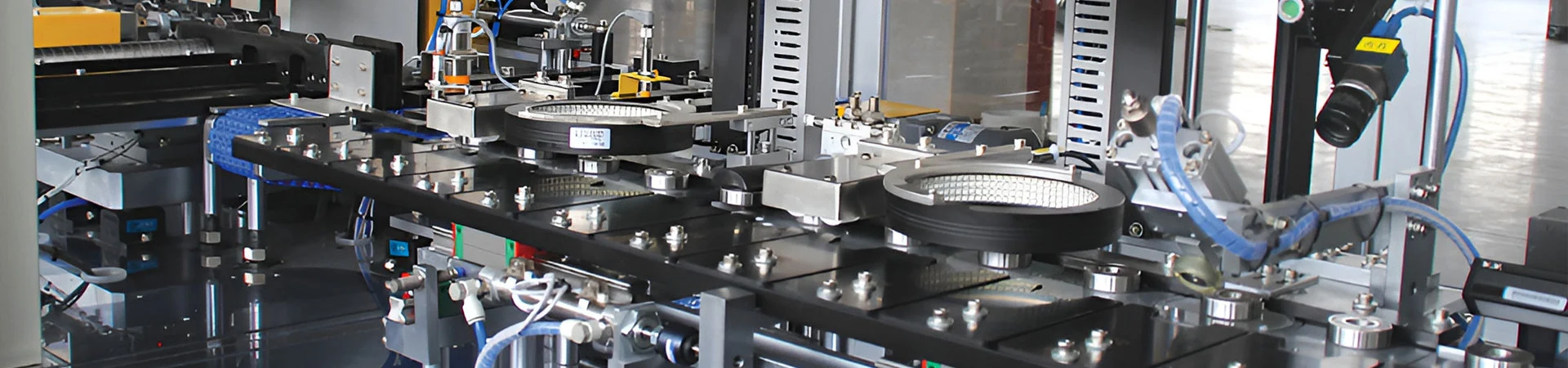
BMT describes its production capabilities as including automated grinding equipment, precision sorting systems, hardness testing, roundness measurement, and surface inspection. These capabilities support the production of steel balls for industrial and OEM applications.
How Do Size and Precision Grades Affect Performance?
Ball diameter and precision grade must match the bearing design. An incorrect size can interfere with assembly, internal clearance, contact geometry, and load distribution. Excessive dimensional variation may also increase vibration or produce inconsistent operating behavior.
BMT lists metric and inch sizes and identifies precision grades including G10, G16, G20, G40, and G100, with customized options available subject to product requirements.
| Specification | What It Defines | What Buyers Should Confirm |
|---|---|---|
| Nominal diameter | The specified ball size | Metric or inch dimensions and required tolerance |
| Precision grade | Permitted deviations under the applicable grading standard | Standard edition, grade definition, and acceptance criteria |
| Hardness | Resistance to indentation and deformation | Required hardness range and test method |
| Surface finish | Surface texture and roughness characteristics | Applicable roughness limits and inspection method |
| Roundness | Deviation from an ideal spherical shape | Required roundness tolerance and measurement method |
Grade labels should always be interpreted against the applicable standard and supplier specification. Buyers should not assume that every manufacturer uses identical acceptance criteria simply because the same grade designation appears in a quotation.
For production applications, provide the bearing drawing, ball diameter, required grade, material, and operating conditions before requesting a quotation. This helps reduce specification gaps and avoid unnecessary sampling or rework.
Where Are Ball Bearing Steel Balls Commonly Used?
Precision steel balls are used wherever rolling bearings support rotating equipment. Their role varies with the design, but consistent geometry and material performance remain important in applications ranging from small electric motors to heavy-duty industrial machinery.
- Electric motors: Support smooth shaft rotation in industrial equipment and household appliances.
- Automotive systems: Form part of bearing assemblies used in selected wheel, transmission, and auxiliary systems.
- Water pumps: Help bearing assemblies maintain stable rotation during continuous operation.
- Agricultural machinery: Support rotating components exposed to vibration, dust, and variable workloads.
- Conveyors and industrial gear systems: Enable controlled motion in material-handling and production equipment.
- Automation and robotics: Contribute to repeatable movement in suitable bearing arrangements.
- Household appliances: Support rotating mechanisms where noise and smooth operation matter.
The operating environment determines the final specification. A motor operating at high speed may place particular emphasis on precision, noise, and balance, while equipment exposed to moisture may require a corrosion-resistant material. Applications with impact loads or contamination may require additional attention to bearing design, lubrication, sealing, and maintenance.
Steel balls should therefore be selected as part of a complete bearing system rather than treated as interchangeable components regardless of size, material, or operating conditions.
How Should Buyers Select Ball Bearing Steel Balls?
For distributors, bearing manufacturers, maintenance teams, and OEM procurement departments, an effective sourcing process starts with a clear technical specification.
Before placing an order, evaluate the following points:
- Define the application: Identify the bearing type, equipment, operating speed, and expected load conditions.
- Specify the material: Choose a suitable steel grade based on hardness, fatigue requirements, corrosion exposure, and cost.
- Confirm dimensions: Provide the nominal diameter, tolerance, and measurement requirements.
- Set the precision grade: Confirm the applicable standard and the required acceptance criteria.
- Review quality documentation: Request relevant inspection records, material information, and test reports where required.
- Assess production consistency: Determine whether the supplier can maintain the same requirements across repeat orders.
- Check packaging and delivery: Confirm quantities, packaging protection, lead time, and export requirements.
- Evaluate samples: Where appropriate, test samples in the intended assembly before approving mass production.
For custom orders, a technical drawing or written specification is particularly valuable. It reduces ambiguity around dimensions, materials, grades, and inspection criteria. Buyers should also identify any special requirements for traceability, packaging, or incoming quality control before production begins.
A dependable supplier should be able to explain its capabilities, clarify technical questions, and provide a quotation based on a defined scope rather than making unsupported performance promises.
What Quality Checks Should Buyers Request?
Quality assurance should cover the characteristics that influence the intended application. A supplier's inspection process is most useful when it is linked to measurable requirements and documented acceptance criteria.
Depending on the order specification, buyers may request:
- Raw material identification and relevant material certificates.
- Diameter and dimensional variation inspection.
- Roundness and surface roughness measurements.
- Hardness testing after heat treatment.
- Visual inspection for surface defects.
- Batch identification and inspection records.
- Packaging checks before dispatch.
Recognized standards may help define requirements for bearing balls and related components. For example, ASTM F2215 covers specified requirements for ferrous and nonferrous balls used in bearings and other applications. Buyers should confirm whether a particular standard applies to their product, dimensional system, material, and contractual requirements.
BMT identifies ISO 9001 and IATF 16949 quality management systems in its manufacturing information. When sourcing components for automotive or other regulated applications, procurement teams should verify the relevant certification scope, current validity, and any customer-specific requirements directly with the supplier.
Frequently Asked Questions
1. What material is most commonly used for ball bearing steel balls?
High-carbon chromium bearing steel, such as AISI 52100 or applicable equivalents, is widely used for conventional rolling bearings because it can provide high hardness, wear resistance, and rolling-contact fatigue performance after suitable heat treatment. The best material still depends on the operating environment and design requirements.
2. Are chrome steel balls better than stainless steel balls?
Neither material is universally better. Chrome steel is commonly selected when load-bearing performance and wear resistance are priorities in environments where corrosion can be controlled. Stainless steel is often preferred when moisture or corrosive exposure is a concern, provided the selected grade meets the required mechanical and dimensional specifications.
3. Which precision grades can BMT supply?
BMT lists G10, G16, G20, G40, and G100 steel ball precision grades, along with customized options. Availability, applicable tolerances, and testing requirements should be confirmed for the requested diameter and material.
4. Can steel balls be customized for OEM projects?
Yes. BMT indicates support for customized dimensions, material options, OEM packaging, private-label supply, and bulk industrial orders. Buyers should submit drawings or a detailed specification to confirm feasibility, minimum order quantities, and lead times.
5. How can buyers verify steel ball quality before ordering in bulk?
Request samples where available and compare them with the agreed specification. Relevant checks may include diameter, roundness, hardness, surface finish, material documentation, and visual condition. For critical applications, define the inspection method and acceptance criteria before placing the production order.
6. What information should be included in a steel ball quotation request?
Include the material grade, nominal diameter, dimensional tolerance, precision grade, hardness requirements, quantity, intended application, packaging preferences, and delivery destination. Drawings and applicable standards can help the supplier prepare a more accurate quotation.
Conclusion: Choosing a Reliable Ball Bearing Steel Ball Supplier
Choosing the right ball bearing steel balls requires a balance of material properties, dimensional precision, manufacturing consistency, and application-specific requirements. Chrome steel, stainless steel, and other material options each serve different operating conditions, while careful grinding, finishing, and inspection help ensure that the finished components meet the intended specification.
BMT combines bearing manufacturing experience dating back to 2004 with stated capabilities in precision grinding, sorting, inspection, and OEM support. For buyers sourcing components for motors, automotive systems, pumps, agricultural equipment, and industrial machinery, a clear specification and an effective supplier review process are practical foundations for reliable procurement.
If you are sourcing precision steel balls for a new bearing design, recurring production, or an industrial replacement program, explore BMT's Ball Bearing Steel Ball solutions and contact us to discuss your technical requirements, request a quotation, or inquire about samples and customized supply options.
Related News
- How Can BAA-0003 Agricultural Hub Units Improve the Reliability of Modern Farm Equipment
- Why Are GW208PPB5 Square Bore Agricultural Bearings Built for Demanding Farm Machinery
- How Can W208PP10 Round Bore Agricultural Bearings Improve the Reliability of Heavy-Duty Farm Machinery
- Why Are 206KRRB6 Hex Bore Series Agricultural Bearings a Smart Choice for Demanding Farm Machinery
- Why Are BAA-0003 Agricultural Hub Units a Smart Choice for Demanding Farm Machinery
- Why Are GW208PPB5 Square Bore Agricultural Bearings a Smart Choice for Demanding Farm Machinery
Leave me a message