How Do You Choose the Best Motorcycle Wheel Bearings for Your Bike
Motorcycle wheel bearings are small components that play a critical role in riding safety, handling stability, and overall performance. Choosing the right motorcycle wheel bearings is not just about size compatibility — it involves understanding materials, sealing types, load ratings, riding conditions, and maintenance requirements.
In this in-depth guide, we explain how motorcycle wheel bearings work, compare different bearing types, outline key selection criteria, and help riders, distributors, and mechanics make informed decisions. Whether you ride on highways, tracks, or off-road terrain, this article will help you choose the best motorcycle wheel bearings for long-term reliability.
Table of Contents
- 1. What Are Motorcycle Wheel Bearings?
- 2. Why Choosing the Right Wheel Bearings Matters
- 3. Common Types of Motorcycle Wheel Bearings
- 4. Key Factors to Consider When Choosing Motorcycle Wheel Bearings
- 5. Sealed vs. Open Bearings: A Detailed Comparison
- 6. Bearing Materials and Performance Differences
- 7. Motorcycle Wheel Bearing Size and Compatibility
- 8. Maintenance Tips to Extend Bearing Life
- 9. Why Professional Manufacturers Matter
- 10. Frequently Asked Questions (FAQ)
1. What Are Motorcycle Wheel Bearings?
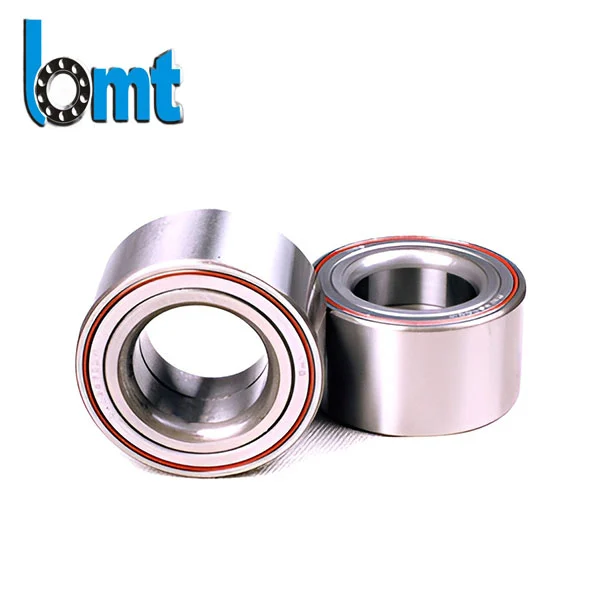
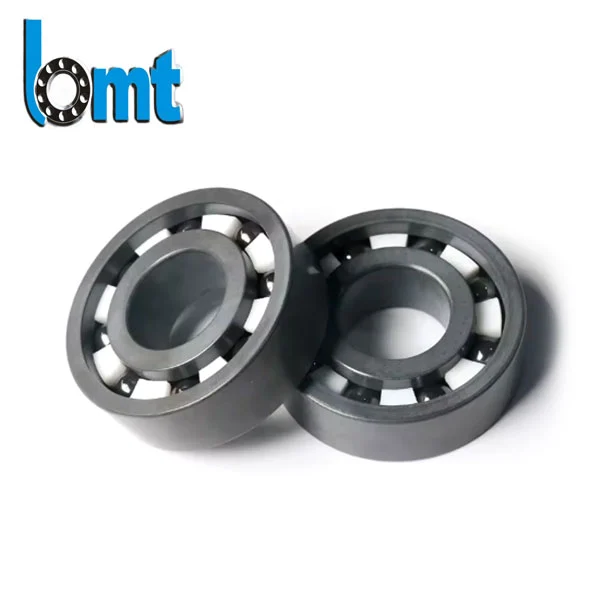
Motorcycle wheel bearings are precision-engineered components installed inside the wheel hub. Their main function is to reduce friction and allow the wheel to rotate smoothly around the axle. Although small in size, wheel bearings support the full weight of the motorcycle and rider while enduring radial and axial loads during acceleration, braking, and cornering.
Modern motorcycles typically use ball bearings or roller bearings designed to withstand high speeds, vibrations, and varying road conditions. High-quality motorcycle wheel bearings ensure stable handling, precise steering, and improved riding comfort.
2. Why Choosing the Right Wheel Bearings Matters
Selecting the correct motorcycle wheel bearings directly affects:
- Riding safety and wheel stability
- Steering accuracy and control
- Reduced vibration and noise
- Extended wheel and axle lifespan
- Overall riding efficiency
Poor-quality or mismatched bearings may cause wheel wobble, uneven tire wear, or even sudden bearing failure at high speeds — a serious safety risk.
3. Common Types of Motorcycle Wheel Bearings
| Type | Description | Common Applications |
|---|---|---|
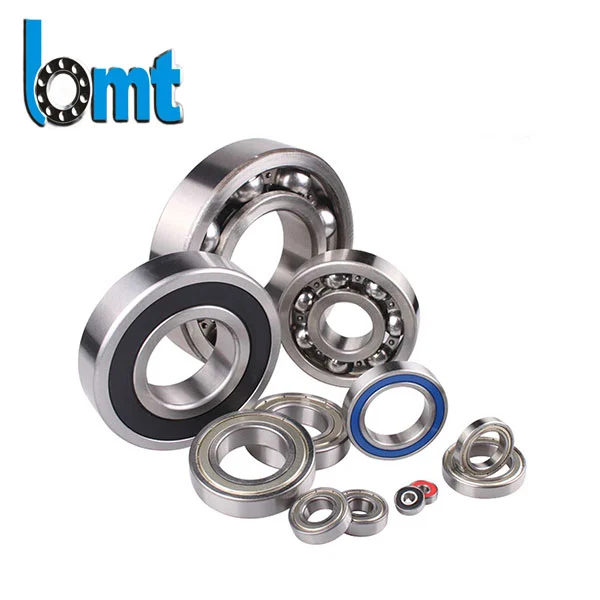
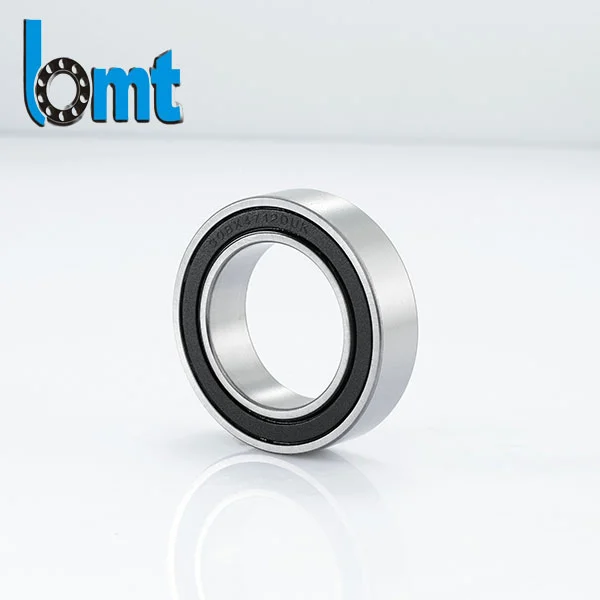
| Deep Groove Ball Bearings | Most widely used, suitable for high-speed rotation | Street motorcycles, sport bikes |
| Angular Contact Bearings | Designed to handle combined axial and radial loads | High-performance motorcycles |
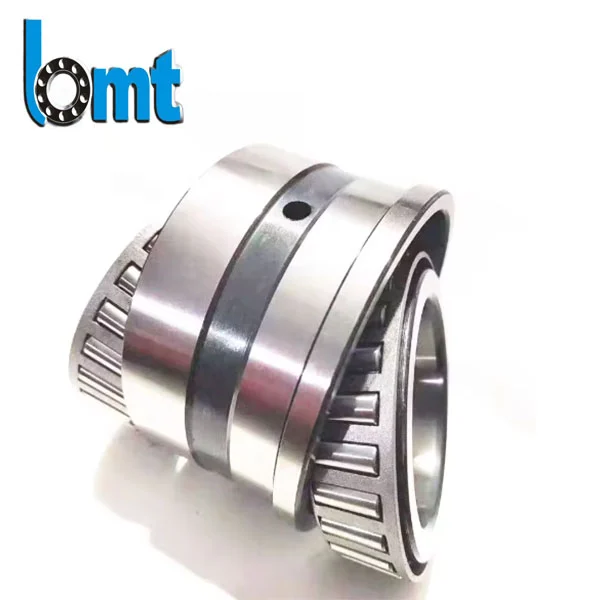
| Tapered Roller Bearings | High load capacity and durability | Heavy motorcycles, cruisers |
4. Key Factors to Consider When Choosing Motorcycle Wheel Bearings
4.1 Load Capacity
Wheel bearings must support the combined load of the motorcycle, rider, and cargo. Choosing bearings with sufficient load ratings prevents premature wear and overheating.
4.2 Riding Environment
- Urban roads: standard sealed bearings
- Off-road or adventure riding: heavy-duty, double-sealed bearings
- High-speed racing: precision bearings with low friction
4.3 Sealing Performance
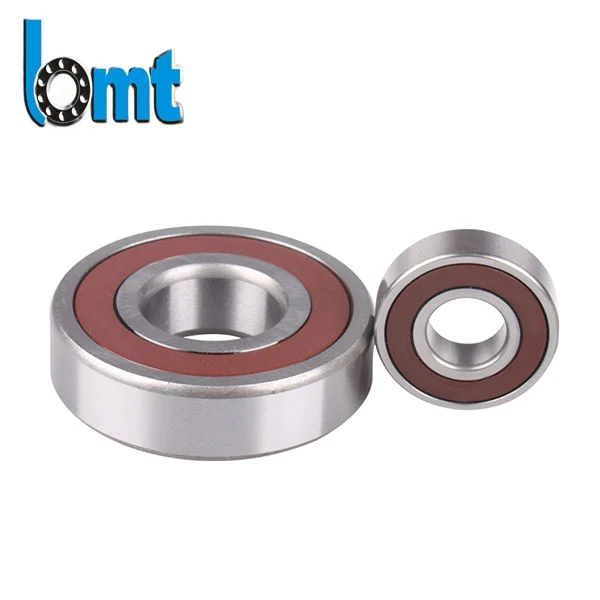
Proper sealing protects bearings from water, dust, and mud — especially important for long-distance and off-road riders.
5. Sealed vs. Open Bearings: A Detailed Comparison
| Feature | Sealed Bearings | Open Bearings |
|---|---|---|
| Maintenance | Low | High |
| Contamination Resistance | Excellent | Poor |
| Service Life | Longer | Shorter |
Most modern motorcycle manufacturers and professional suppliers, including BMT motorcycle wheel bearings, recommend sealed bearings for reliability and safety.
6. Bearing Materials and Performance Differences
Material selection significantly impacts bearing performance:
- Chrome Steel: High hardness and wear resistance
- Stainless Steel: Better corrosion resistance
- Ceramic Hybrid: Lightweight, low friction, high-speed capability
7. Motorcycle Wheel Bearing Size and Compatibility
Always confirm bearing dimensions before purchase:
- Inner diameter (ID)
- Outer diameter (OD)
- Width
Incorrect sizing may lead to improper fit, wheel misalignment, or premature failure. Professional manufacturers like BMT provide accurate sizing charts and technical support.
8. Maintenance Tips to Extend Bearing Life
- Inspect bearings regularly for noise or vibration
- Avoid high-pressure water directly on wheel hubs
- Replace bearings in pairs
- Use correct installation tools
9. Why Professional Manufacturers Matter
High-quality motorcycle wheel bearings require precise machining, strict quality control, and reliable material sourcing. Working with experienced manufacturers like BMT ensures consistent performance, long service life, and global application support.
10. Frequently Asked Questions (FAQ)
Q1: How long do motorcycle wheel bearings last?
Under normal conditions, quality wheel bearings can last 20,000–50,000 miles depending on riding habits and maintenance.
Q2: Can I replace motorcycle wheel bearings myself?
Yes, but proper tools and experience are recommended to avoid damaging the hub or axle.
Q3: Are sealed bearings better for motorcycles?
Yes. Sealed bearings provide better protection against contamination and require less maintenance.
Final Thoughts
Choosing the best motorcycle wheel bearings is essential for safety, comfort, and long-term performance. From bearing type and materials to sealing and compatibility, every detail matters. If you are looking for reliable, precision-engineered motorcycle wheel bearings backed by professional manufacturing experience, BMT offers solutions tailored to various riding conditions and performance requirements.
To learn more about product specifications or custom bearing solutions, feel free to contact us today and speak with our technical experts.
Related News
- Why Are 206KRRB6 Hex Bore Series Agricultural Bearings a Smart Choice for Demanding Farm Machinery
- Why Are BAA-0003 Agricultural Hub Units a Smart Choice for Demanding Farm Machinery
- Why Are GW208PPB5 Square Bore Agricultural Bearings a Smart Choice for Demanding Farm Machinery
- How Does a Deep Groove Ball Bearing Improve Machine Performance?
- How Do Turbocharger Bearings Improve Turbocharger Performance and Reliability?
- How Do Clutch Release Bearings Improve Vehicle Performance and Driving Comfort?
Leave me a message