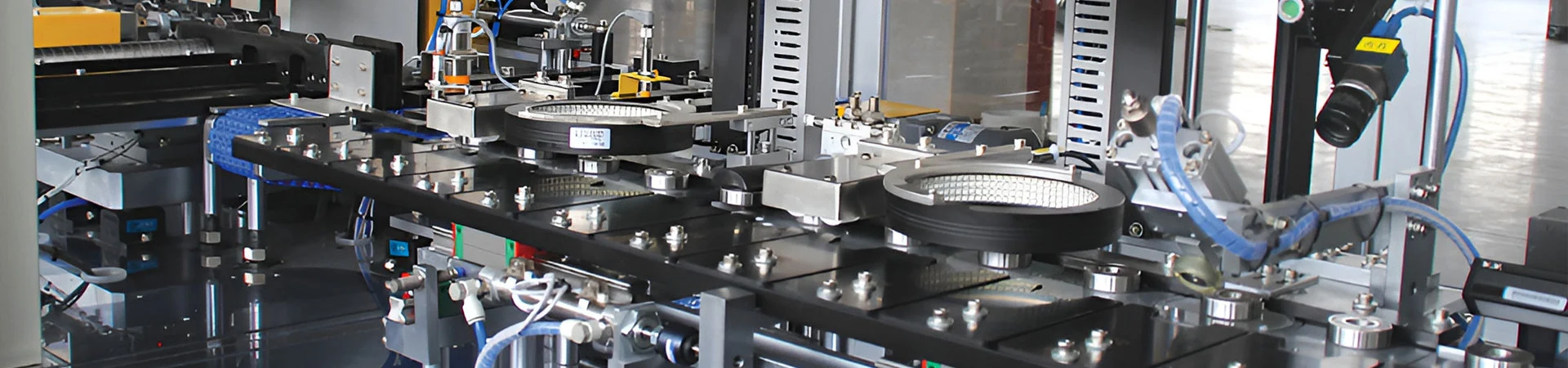
Have you ever experienced a bearing lubrication error?
In the industrial field, bearings are known as "mechanical joints" and are the cornerstone of smooth operation of countless devices.Therefore, lubrication is the "blood" for the survival of bearings.Not only does it reduce friction and wear, but it also plays a key role in heat dissipation, rust prevention, sealing and cleaning.However, this seemingly simple maintenance procedure has been the main culprit in the premature "scrapping" of the vast majority of bearings.Statistics show that more than half of all bearing failures can be attributed to improper lubrication.These mistakes are like invisible killers, quietly eating away at the health of the equipment, eventually leading to production stagnation and soaring maintenance costs.
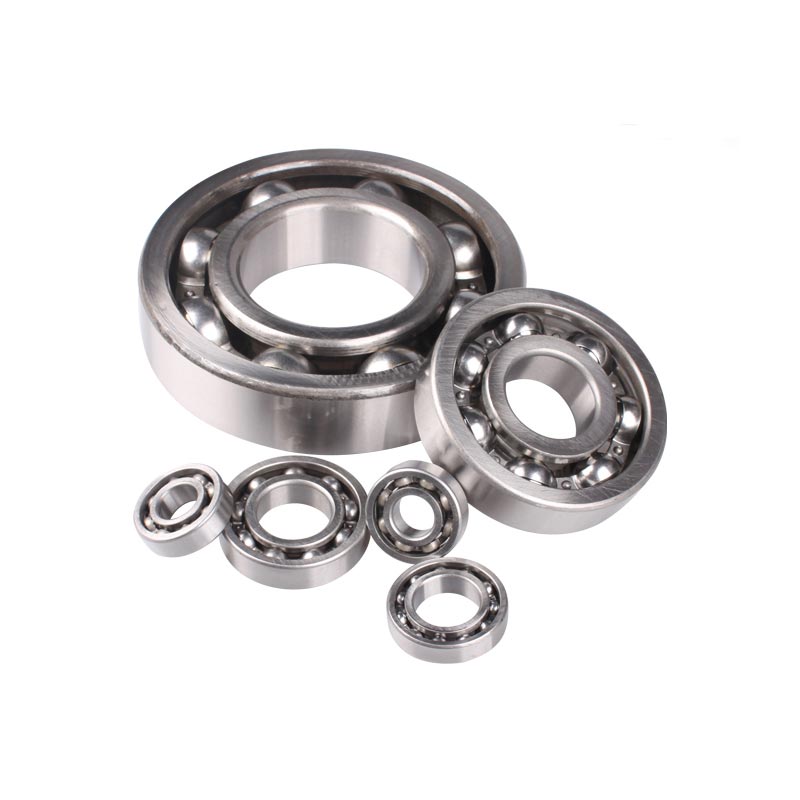
Mistake 1: Use the wrong lubricant.This is the most fundamental and most prone to mistakes.Different types of bearings, different operating conditions, speeds, loads and temperatures have very different lubricant requirements.Blindly using a "one-size-fits-all" grease or oil is tantamount to using the wrong drug for the bearing.
Error 2: Insufficient lubrication.These are two of the most common extreme mistakes in the job.Manifestations and Consequences: Inadequate lubrication (too little): This is the most obvious mistake.When a bearing is operated under "dry grinding" or boundary lubrication conditions, the coefficient of friction increases dramatically and the temperature rises rapidly, causing the bearing material to anneal and discolor.This can lead to catastrophic failures such as jams and jams in a short time.
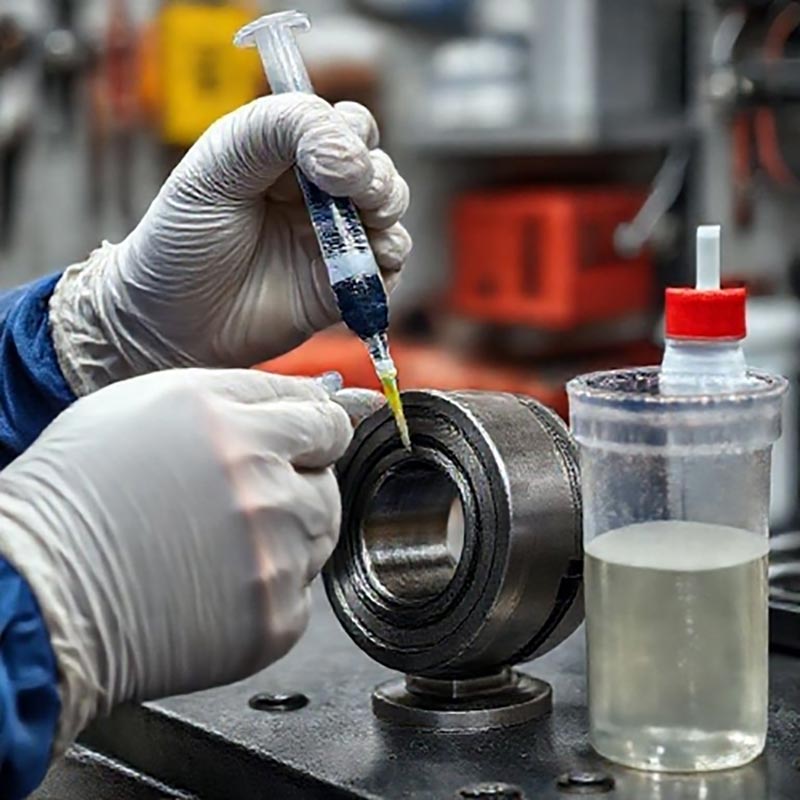
Over-lubrication (over-lubrication): This error is usually more subtle and more harmful.For grease-lubricated bearings, excess grease fills all the space in the bearing cavity.The bearings must overcome a large resistance to agitation during rotation, which generates a large amount of heat.Heat build-up can cause the grease to oxidize and harden, damage the seals, and eventually cause high temperature failure.In addition, excessive internal pressure can damage the seals, allowing contaminants to enter or even blow out.
Mistake 3: Improper lubrication Even if the correct oil is selected and the amount used is calculated accurately, improper lubrication can have serious consequences.Performance and Consequences: Pollution: This is the "number one enemy" of the bearing.Contaminants such as dust in the air, fibers from operating gloves, and metal shavings from tools can enter the bearings with the lubricant if the lubricant is not added with a special cleaning tool and the grease fittings and drain ports are cleaned.These hard particles act as abrasives, causing scratches and pitting on the raceways and rolling elements, which can significantly reduce bearing life.
Mistake 4: Ignoring the "overall health" of the lubrication system.Lubrication management is not just "refueling," but a systematic process.Performance and Consequences: Seal Failure: Seals are the "gatekeepers" to prevent lubricant leakage and contaminant ingress.Even the best lubrication measures will fail if the seals are aged, worn or damaged and not replaced in time.Lubricating oil aging and contamination: in oil lubrication system, lubricating oil will gradually oxidize during use, additives will be consumed, and moisture and metal chips will be mixed into the oil.If the oil is not regularly filtered, purified or replaced, the oil itself can be a source of contamination and corrosion.
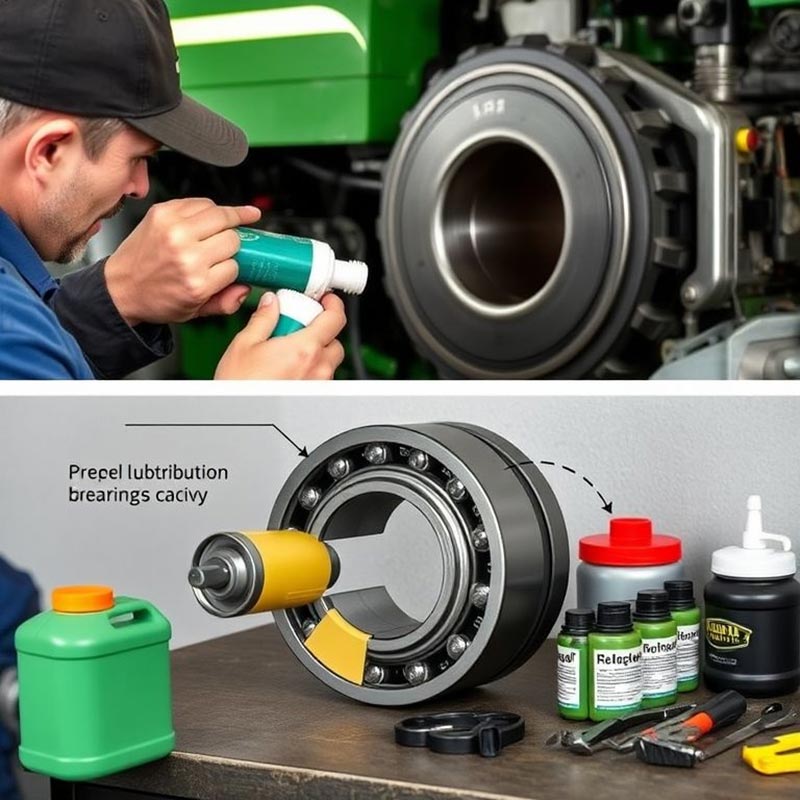
In short, bearing lubrication is much more than a simple "oiling" operation; it is a sophisticated science that combines materials science, tribology, and operational management.Behind every lubrication failure lies management oversight, lack of knowledge, or poor execution.To break this vicious cycle, we must address the root causes: standardize lubrication procedures, enhance professional training for maintenance personnel, invest in the right lubrication tools and monitoring equipment, and foster a maintenance culture that values excellence and attention to detail.
Only by upgrading lubrication to strategic management level and carefully caring for the "blood" of bearings can the robustness of mechanical connection be ensured, thus laying a solid foundation for long-term stable and efficient operation of equipment and finally winning reliability and cost advantage in the fierce market competition.
Related News
- Why Are 206KRRB6 Hex Bore Series Agricultural Bearings a Smart Choice for Demanding Farm Machinery
- Why Are BAA-0003 Agricultural Hub Units a Smart Choice for Demanding Farm Machinery
- Why Are GW208PPB5 Square Bore Agricultural Bearings a Smart Choice for Demanding Farm Machinery
- How Does a Deep Groove Ball Bearing Improve Machine Performance?
- How Do Turbocharger Bearings Improve Turbocharger Performance and Reliability?
- How Do Clutch Release Bearings Improve Vehicle Performance and Driving Comfort?
Leave me a message