What Materials Are Typically Used in High Temperature Bearings?
At Ningbo Demy (D&M) Bearings Co., Ltd., we specialize in engineering high temperature bearings that can withstand extreme thermal stress while maintaining mechanical performance. In many industrial and aerospace environments, bearings are exposed to temperatures far beyond what standard steel bearings can tolerate. Through years of dedicated research and manufacturing experience, our solutions address these challenges head‑on.
Operating Temperature Challenges
High temperature bearings must endure continuous exposure to heat, oxidation, and thermal cycling. Standard bearing steels typically fail when temperatures rise above 200 °C due to loss of hardness, creep, or oxidation. Our bearings, by contrast, are designed for reliable operation at temperatures ranging from 300 °C up to 1000 °C or more. In our factory, we use specialized heat-resistant materials and rigorous testing to ensure that our products remain dimensionally stable, resist deformation, and preserve load-carrying capacity under repeated heating and cooling cycles.
Common Materials for High Temperature Bearings
When producing Special Material Bearings, we at Ningbo Demy (D&M) Bearings Co., Ltd. typically select from a range of advanced materials. These include:
- Nickel-based superalloys (e.g., Inconel, Haynes): Excellent creep resistance and strength at high temperatures.
- Cobalt-based alloys (e.g., Stellite): Good hardness retention and oxidation resistance.
- High-speed steels (e.g., M‑series HSS): High hardness and wear resistance, though limited in extreme heat.
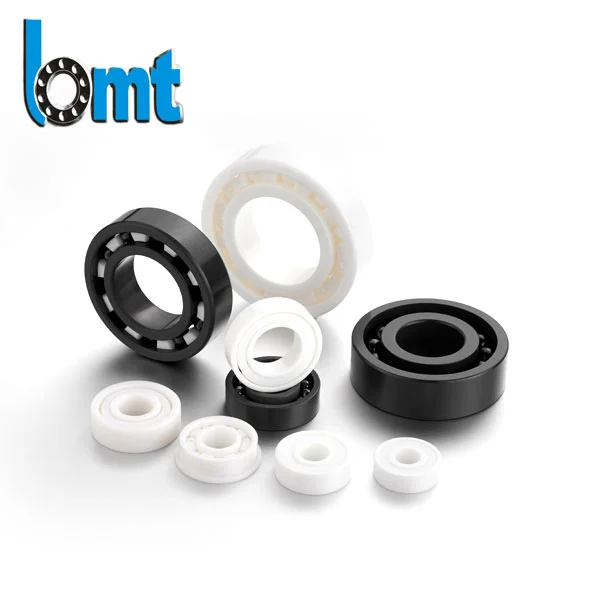
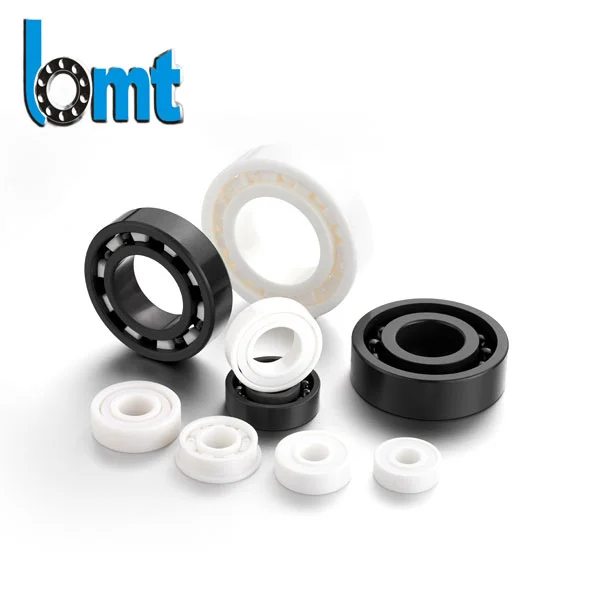
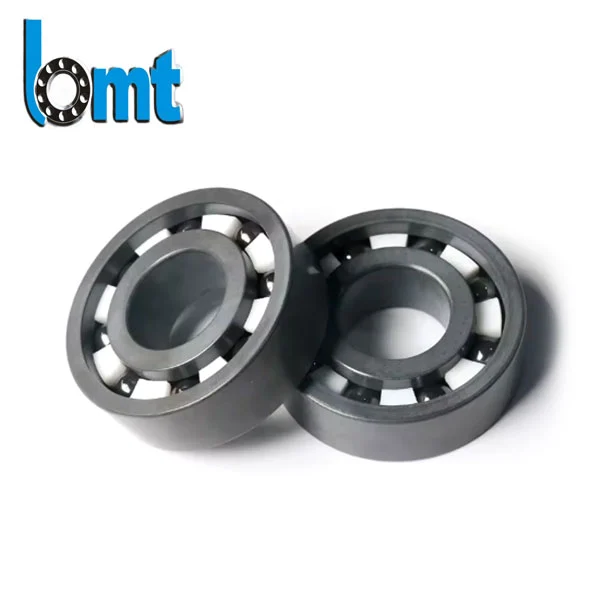
- Ceramic materials (e.g., silicon nitride, silicon carbide): Very low thermal expansion, exceptional thermal stability, and electrical insulation.
- Oxide-dispersion strengthened (ODS) alloys: Fine oxide particles stabilize the microstructure at high temperatures.
- Carbide-reinforced composites: For applications where hardness and thermal endurance are critical.
Our choice of material depends on the specific application, including the expected temperature range, load, speed, and environment (oxidizing or reducing atmosphere).
Key Material Parameters
To illustrate typical parameters of high temperature bearings, here is a summary of material properties and operational limits:
| Material Type | Maximum Service Temperature | Coefficient of Thermal Expansion (CTE) | Hardness (Rockwell / Vickers) | Tensile Strength | Creep Rate | Typical Load Capacity | Expected Fatigue Life |
| Nickel-based Superalloy (Inconel) | 600–900 °C | 12–15 × 10⁻⁶ /°C | ≈ 40–45 HRC | 900–1200 MPa | Low creep rate at 800 °C | High | 10⁶–10⁷ cycles |
| Cobalt-based Alloy (Stellite) | 500–800 °C | 13–16 × 10⁻⁶ /°C | ≈ 45–50 HRC | 800–1100 MPa | Moderate creep rate | Medium to high | 10⁵–10⁷ cycles |
| High-speed Steel (M‑series) | 400–600 °C | 11–13 × 10⁻⁶ /°C | ≈ 60–65 HRC | 1200–1400 MPa | Higher creep at top range | Medium | 10⁵–10⁶ cycles |
| Ceramic (Silicon Nitride) | up to 1000 °C | 3–4 × 10⁻⁶ /°C | ≈ 1200–1400 HV | 800–900 MPa | Extremely low (virtually no creep) | Lower than metal under shock but very stable | 10⁷+ cycles |
| ODS Alloy | 700–1000 °C | 10–12 × 10⁻⁶ /°C | ≈ 50–55 HRC | 1000–1300 MPa | Very low creep | High | 10⁶–10⁷ cycles |
| Carbide Composite | 800–1100 °C | 8–10 × 10⁻⁶ /°C | ≈ 1000–1600 HV | 500–1000 MPa (matrix dependent) | Creep negligible | Medium to high | 10⁶+ cycles |
Advantages of Using Special Material Bearings
The use of Special Material Bearings offers clear benefits in demanding thermal environments. Materials such as nickel-based superalloys retain strength under high heat, while ceramic materials provide exceptional thermal dimensional stability. Our Special Material Bearings also benefit from lower thermal expansion, meaning reduced internal stress during thermal cycling. This translates into longer lifespan and more reliable performance, particularly when thermal fatigue and creep are potential failure mechanisms.
Manufacturing Process for High Temperature Bearings
At Ningbo Demy (D&M) Bearings Co., Ltd., the manufacturing of our Special Material Bearings involves advanced steps to ensure consistency and integrity. First, we begin with powder metallurgy or precision forging to form the base shape. Then we perform solution heat treatment followed by aging to induce precipitation hardening. In our factory, we apply isothermal forging and hot isostatic pressing when needed, followed by grinding and superfinishing to achieve tight tolerances. Finally, we conduct heat stabilization cycles to relieve internal stresses that develop during processing.
Applications of High Temperature Bearings
Our Special Material Bearings find use in a variety of high‑temperature contexts. In gas turbine engines, these bearings support rotor shafts that operate under extreme thermal loads. In aerospace actuators, they enable precise motion control in hot sections of aircraft engines. In industrial furnaces, they maintain stability and reliability where heat would destroy conventional bearings. We also supply bearings for chemical reactors, power plants, and heat treatment equipment, where temperature-induced wear and oxidation can be particularly damaging.
Selecting the Right Material for Your Needs
Choosing the appropriate material for high temperature bearings depends on your application’s specific thermal and mechanical demands. If your system reaches temperatures up to 600 °C and you require high strength, nickel‑based superalloys are often ideal. For applications above 800 °C, ceramic bearings may be more suitable due to their low creep and very low thermal expansion. When oxidation resistance is critical, cobalt‑based alloys or ODS materials may be the best choice. Our experienced engineering team at Ningbo Demy (D&M) Bearings Co., Ltd. can help evaluate your requirements and advise on the optimal material and design for your application.
Conclusion
High temperature bearings remain a critical component in many advanced industrial and aerospace applications. The typical materials used — including nickel-based superalloys, cobalt alloys, high-speed steel, ceramics, ODS alloys, and carbide composites — each bring unique advantages depending on temperature, load, and environment. At Ningbo Demy (D&M) Bearings Co., Ltd., we are committed to providing high‑performance solutions. Our Special Material Bearings are produced in our factory under strict quality control, and our engineering experts work closely with customers to tailor designs to their needs. Whether you require bearings for turbines, aerospace systems, or industrial furnaces, our advanced materials and manufacturing capabilities deliver the reliability and durability you need.
Frequently Asked Questions
Q: What materials are typically used in high temperature bearings?
A: The most common materials include nickel‑based superalloys, cobalt‑based alloys, high‑speed steels, ceramics, oxide‑dispersion‑strengthened (ODS) alloys, and carbide‑reinforced composites.
Q: Why choose Special Material Bearings for high temperature applications?
A: Special Material Bearings are designed to resist creep, oxidation, and thermal fatigue; they maintain mechanical strength and dimensional stability at elevated temperatures, extending the service life of critical machinery.
Q: How does the material affect the performance of high temperature bearings?
A: Material choice determines load capacity, thermal expansion, hardness retention, and creep behavior. For example, ceramics offer low thermal expansion and negligible creep, while superalloys offer high strength and oxidation resistance.
Related News
- Why Are 206KRRB6 Hex Bore Series Agricultural Bearings a Smart Choice for Demanding Farm Machinery
- Why Are BAA-0003 Agricultural Hub Units a Smart Choice for Demanding Farm Machinery
- Why Are GW208PPB5 Square Bore Agricultural Bearings a Smart Choice for Demanding Farm Machinery
- How Does a Deep Groove Ball Bearing Improve Machine Performance?
- How Do Turbocharger Bearings Improve Turbocharger Performance and Reliability?
- How Do Clutch Release Bearings Improve Vehicle Performance and Driving Comfort?
Leave me a message