From C1 to C5, how to match bearing clearance to operating conditions? Even beginners can understand in seconds!
About Bearing Clearance
In the world of bearings, there is a parameter that is invisible and intangible, yet directly affects the operating state of the bearing and even the stability of the entire equipment: bearing clearance.
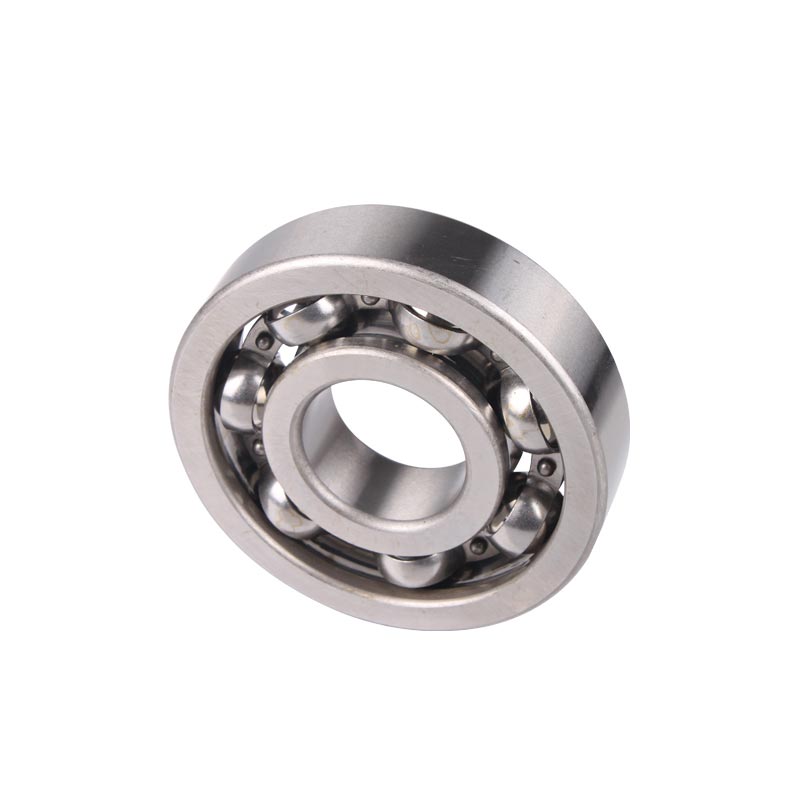
Excessive clearance makes the bearing "loose," intensifying the impact of the rolling elements, leading to increased vibration and noise, and loss of precision.
Insufficient bearing clearance leads to a "stiff" bearing, causing a surge in frictional heat generation and increasing the risk of abnormal temperature rise and seizure.
The key functions of bearing clearance are: to provide adequate clearance, compensate for thermal expansion of components to prevent seizing, ensure lubrication to form an oil film to reduce wear, match operating conditions to regulate operational accuracy and vibration, and balance stability, accuracy, and lifespan. It is crucial for bearing adaptability and reliable operation.
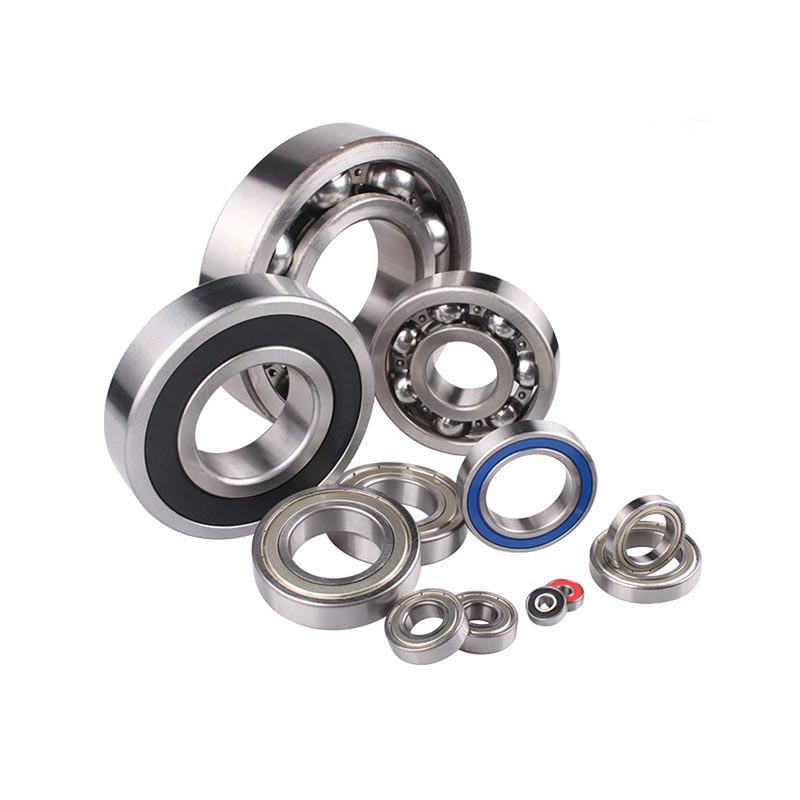
International standards (such as ISO) classify clearance into several groups, from C1 to C5, with larger numbers indicating larger clearance: For high precision, choose a small clearance (C2); for high temperature and vibration, choose a large clearance (C3 and above).
How to choose when unsure: In on-site maintenance work, operating conditions are complex and varied, and clearance requirements cannot be accurately determined in all scenarios.
Here's a proven "safe option":
1.Except for equipment with explicit high precision requirements, choosing C3 clearance is a safe and highly adaptable choice for most general-purpose equipment.
2.It can compensate to some extent for clearance reduction caused by interference fits and operating temperature rise, helping you avoid many potential problems.
Summarize
Clearance is the soul parameter of a bearing. Correct clearance selection is the foundation for ensuring stable, efficient, and long-life operation of equipment. Mastering its core principles will make your maintenance work more forward-looking and professional.
Related News
- Why Are 206KRRB6 Hex Bore Series Agricultural Bearings a Smart Choice for Demanding Farm Machinery
- Why Are BAA-0003 Agricultural Hub Units a Smart Choice for Demanding Farm Machinery
- Why Are GW208PPB5 Square Bore Agricultural Bearings a Smart Choice for Demanding Farm Machinery
- How Does a Deep Groove Ball Bearing Improve Machine Performance?
- How Do Turbocharger Bearings Improve Turbocharger Performance and Reliability?
- How Do Clutch Release Bearings Improve Vehicle Performance and Driving Comfort?
Leave me a message