Bearing Noise - Can Replacing the Bearings Solve the Problem?
Motor noise is one of the most common problems plaguing motor engineers and users. For both motor manufacturers and users, a common approach is to simply replace the faulty part. Therefore, the method we often use in the field is to replace the bearings if they are noisy.
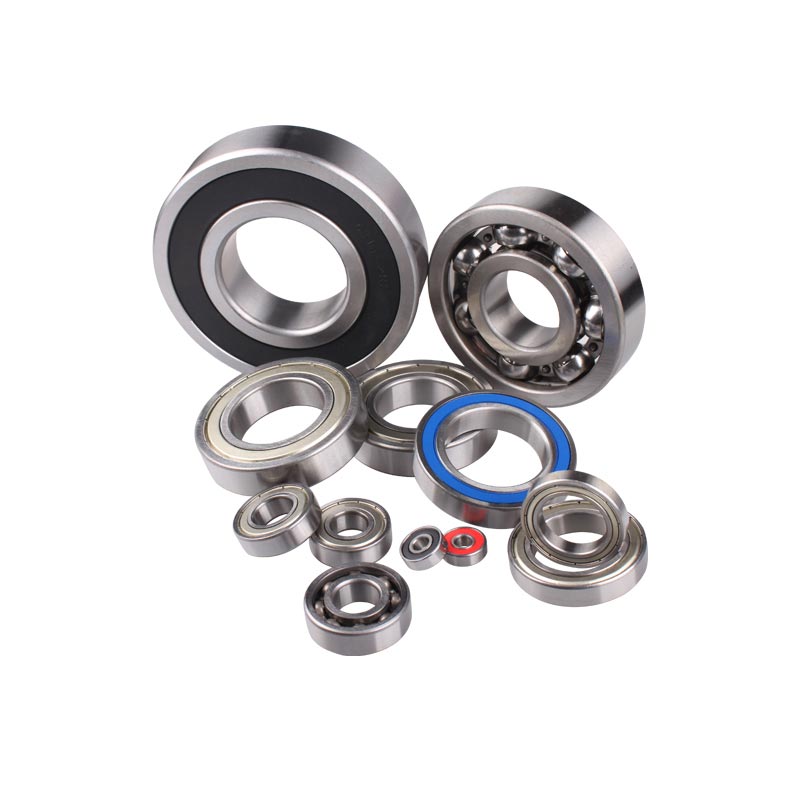
This "replace the bearings if they're noisy" method sometimes works in the field, but more often than not, the noise persists regardless of how many times the bearings are replaced. This raises several questions that linger in engineers' minds:
1. If replacing the bearings alleviates the motor bearing noise, is this necessarily attributable to the bearings themselves?
2. If it is a bearing problem, why does the noise sometimes persist even after replacing the bearings with new ones?
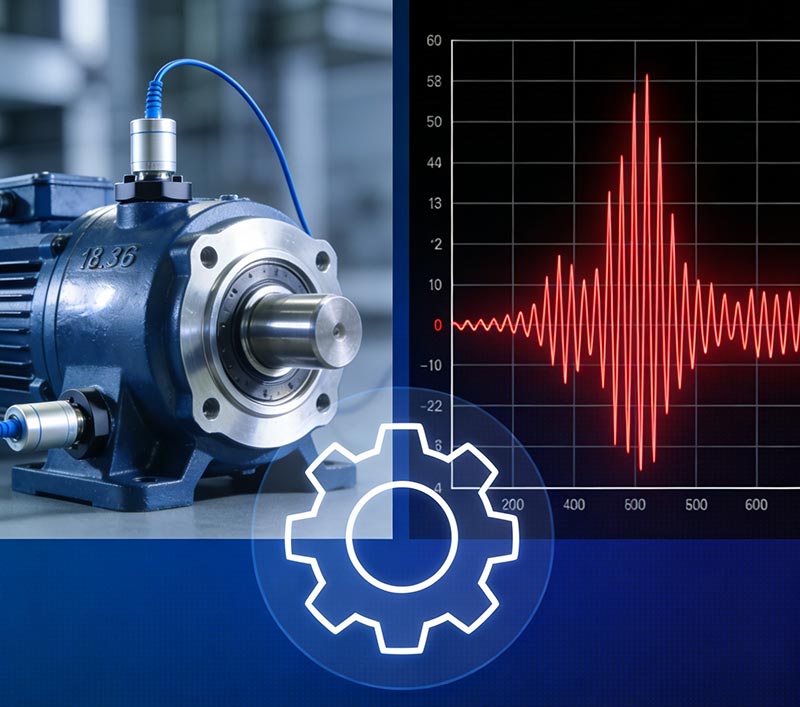
A more complete understanding of these two questions is: While replacing the bearings and alleviating the noise might be due to a problem with the bearings themselves, it might not be. If the noise persists after replacing the bearings, it's more likely that the root cause of the bearing noise is not the bearings themselves.
Firstly, if the problem is with the bearings themselves, then replacing them with properly functioning bearings will naturally alleviate the noise. The prerequisite is that the replacement bearings are indeed functioning correctly, and the replacement method is correct.
Secondly, if the bearing installation process is incorrect, and each assembly damages the bearings, then no matter how many times the bearings are replaced, the noise will always be difficult to eliminate. Besides the process method, the consistency of the installation technique must also be considered. For example, using the same tapping method (cold installation for small bearings) to install the bearings. If the tapping damages the bearing, the likelihood of bearing noise increases significantly; however, if the tapping is lighter when installing the next bearing, and the bearing is hardly damaged, then the bearing noise after assembly will naturally be less. Attributing this noise difference to the bearings themselves is clearly not addressing the root cause. Over time, this intermittent bearing noise problem cannot be fundamentally eliminated.
Third, if there are problems with the shape and positional tolerances of the bearing housing or shaft components, replacing the bearing may or may not improve the noise. Firstly, if the bearing housing or shaft has slight deviations in shape and positional tolerances, the first bearing installed will be subjected to internal pressure due to these deviations, which is likely to cause noise. If the bearing is then replaced, the first bearing, to some extent, acts as a jig to correct the shape and positional tolerances of the components. If the slight deviation is corrected, the replacement bearing will not exhibit any abnormalities. Secondly, for more severe tolerance deviations, even with the "correction" from the previous bearing, the workpiece may still not be adjusted back within the tolerance range. In this case, no matter how many times you replace the bearing, the noise will still persist.
From the above examples, it can be seen that if the bearing itself is faulty, replacing the bearing is effective. However, if the root cause of the problem is not the bearing, replacing the bearing may or may not be effective. The most confusing aspect for motor engineers is that replacing the bearing is sometimes effective, albeit at a low rate. This misleading phenomenon leads many engineers to mistakenly believe that replacing the bearing is the most direct and somewhat effective solution.
This misleading phenomenon is very harmful. We strongly recommend that all motor engineers, when encountering bearing noise problems, should follow a systematic approach to find the root cause, rather than simply and crudely replacing the bearing. Finding the root cause is the only way to truly solve the problem.
Related News
- Why Are 206KRRB6 Hex Bore Series Agricultural Bearings a Smart Choice for Demanding Farm Machinery
- Why Are BAA-0003 Agricultural Hub Units a Smart Choice for Demanding Farm Machinery
- Why Are GW208PPB5 Square Bore Agricultural Bearings a Smart Choice for Demanding Farm Machinery
- How Does a Deep Groove Ball Bearing Improve Machine Performance?
- How Do Turbocharger Bearings Improve Turbocharger Performance and Reliability?
- How Do Clutch Release Bearings Improve Vehicle Performance and Driving Comfort?
Leave me a message