Turbocharger Bearings: How Do High-Performance Turbo Bearings Improve Engine Efficiency and Reliability
Turbocharger bearings are the hidden heroes behind every high-performance turbo system. Operating at extreme rotational speeds often exceeding 200,000 RPM, turbo bearings directly influence efficiency, durability, and engine performance. In this comprehensive guide, we explore how different types of turbocharger bearings—journal bearings, ball bearings, and thrust bearings—affect turbo response, reliability, and maintenance cycles.
This article also examines material technology, lubrication requirements, failure prevention, OEM replacement standards, and how professional suppliers like BMT ensure precision manufacturing for demanding automotive and industrial applications.
Table of Contents
- 1. What Are Turbocharger Bearings?
- 2. Why Are Turbo Bearings Critical for Performance?
- 3. Types of Turbocharger Bearings
- 4. Journal Bearing vs Ball Bearing Turbochargers
- 5. Materials and Manufacturing Technology
- 6. Lubrication and Cooling Requirements
- 7. Common Turbo Bearing Failures and Prevention
- 8. How to Select the Right Turbocharger Bearings
- 9. Industrial and Automotive Applications
- 10. FAQ About Turbocharger Bearings
1. What Are Turbocharger Bearings?
Turbocharger bearings are precision-engineered components that support the rotating shaft connecting the turbine and compressor wheels. These bearings allow the shaft to rotate at extremely high speeds with minimal friction while maintaining alignment and stability.
In a turbocharger system, the shaft speed can exceed 200,000 RPM. Without properly engineered turbo bearings, friction, heat, and vibration would quickly destroy the turbo assembly.
- Support radial and axial loads
- Minimize friction during high-speed rotation
- Maintain shaft alignment
- Ensure efficient oil flow for cooling
2. Why Are Turbo Bearings Critical for Performance?
The performance of a turbocharger heavily depends on the quality of its bearings. Even minor tolerances can impact:
- Boost response time (turbo lag)
- Maximum rotational speed
- Thermal stability
- Fuel efficiency
- Engine durability
High-quality turbocharger bearings improve overall efficiency by reducing friction losses and stabilizing shaft dynamics. This results in quicker spool-up, smoother boost delivery, and longer turbo lifespan.
3. Types of Turbocharger Bearings
3.1 Journal Bearings
Journal bearings, also known as sleeve bearings, rely on a thin film of oil to separate the shaft from the bearing surface.
3.2 Ball Bearings
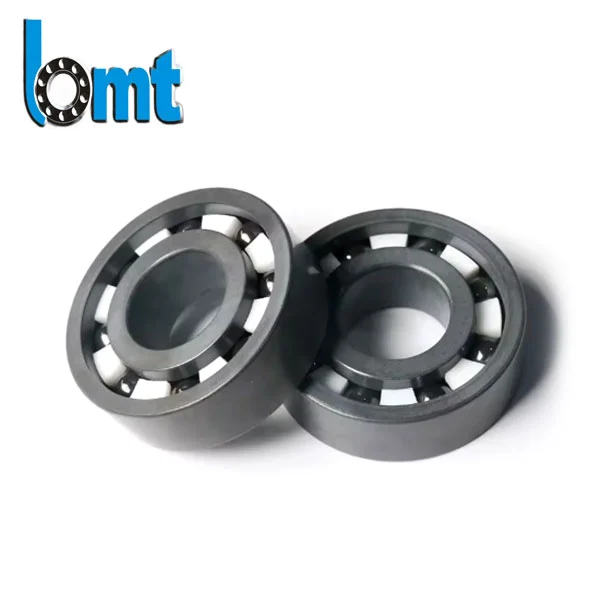
Ball bearing turbochargers use precision steel or ceramic balls to reduce friction, offering faster spool and improved throttle response.
3.3 Thrust Bearings
Thrust bearings manage axial loads generated by boost pressure differences between compressor and turbine wheels.
| Type | Friction Level | Cost | Performance | Durability |
|---|---|---|---|---|
| Journal Bearing | Moderate | Lower | Reliable | High (with proper oiling) |
| Ball Bearing | Low | Higher | Excellent spool response | Very High |
| Thrust Bearing | Load-specific | Moderate | Essential for boost control | Critical component |
4. Journal Bearing vs Ball Bearing Turbochargers
Journal Bearing Advantages
- Cost-effective
- Simpler design
- Widely used in OEM applications
Ball Bearing Advantages
- Reduced friction
- Faster spool-up
- Improved throttle response
- Better high-performance capability
Performance-focused vehicles often prefer ball bearing turbochargers, while heavy-duty applications frequently rely on durable journal bearing systems.
5. Materials and Manufacturing Technology
Turbocharger bearings must withstand:
- Extreme heat (up to 950°C turbine temperature)
- High rotational forces
- Oil pressure fluctuations
- Rapid acceleration and deceleration cycles
Modern turbo bearings use:
- Bronze alloys
- High-grade bearing steel
- Ceramic hybrid materials
- Advanced surface coatings
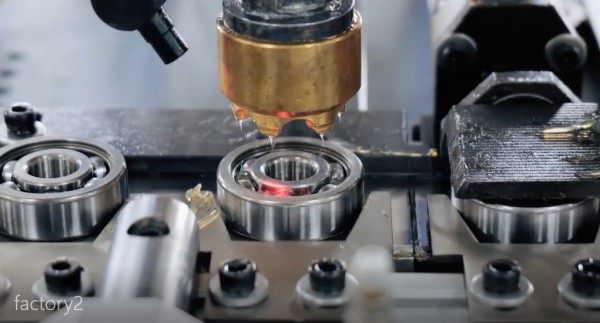
Precision machining and dynamic balancing are essential in ensuring micro-level tolerances. Professional manufacturers like BMT focus on strict quality inspection, CNC precision processing, and durability testing to meet OEM and aftermarket standards.
6. Lubrication and Cooling Requirements
Proper lubrication is the lifeline of turbocharger bearings.
- Engine oil forms hydrodynamic film
- Oil cools the bearing housing
- Prevents metal-to-metal contact
Oil contamination or delayed oil supply is a leading cause of turbo failure. Regular oil changes and correct viscosity selection are essential for extending turbo bearing life.
7. Common Turbo Bearing Failures and Prevention
Common Failure Causes
- Oil starvation
- Contaminated lubrication
- Overspeeding
- Improper installation
- Foreign object damage
Prevention Tips
- Warm up engine before aggressive driving
- Allow turbo cooldown before shutdown
- Use OEM-grade turbo repair parts
- Ensure correct oil feed pressure
8. How to Select the Right Turbocharger Bearings
When choosing turbo bearings, consider:
- Engine displacement
- Boost pressure requirements
- Application type (racing, passenger, heavy-duty)
- Budget
- OEM compatibility
Consulting experienced manufacturers like BMT ensures compatibility, reliability, and long-term performance.
9. Industrial and Automotive Applications
Turbocharger bearings are widely used in:
- Passenger vehicles
- Commercial trucks
- Marine engines
- Construction machinery
- Power generation systems
The reliability of turbo bearings directly impacts fuel efficiency, emissions control, and operational uptime.
10. FAQ About Turbocharger Bearings
Q1: How long do turbocharger bearings last?
With proper lubrication and maintenance, turbo bearings can last 100,000–150,000 miles or more.
Q2: Are ball bearing turbos better than journal bearing turbos?
Ball bearing turbos offer faster spool and improved performance but typically cost more. Journal bearings remain highly reliable for many OEM applications.
Q3: What are signs of failing turbo bearings?
Whining noise, oil leakage, blue exhaust smoke, and power loss are common warning signs.
Q4: Can turbo bearings be replaced?
Yes. Using high-quality replacement parts from trusted suppliers like BMT ensures restored performance and durability.
Conclusion: Why Quality Turbocharger Bearings Matter
Turbocharger bearings are fundamental to turbo efficiency, engine performance, and long-term reliability. From journal to ball bearing systems, selecting the right bearing type significantly influences responsiveness and durability.
If you are seeking high-precision, durable, and OEM-compatible turbocharger bearings, BMT provides professional manufacturing solutions tailored to automotive and industrial requirements.
Looking for reliable turbocharger bearing solutions? Contact us today to discuss your project and upgrade your turbo performance with BMT.
Related News
- Why Are 206KRRB6 Hex Bore Series Agricultural Bearings a Smart Choice for Demanding Farm Machinery
- Why Are BAA-0003 Agricultural Hub Units a Smart Choice for Demanding Farm Machinery
- Why Are GW208PPB5 Square Bore Agricultural Bearings a Smart Choice for Demanding Farm Machinery
- How Does a Deep Groove Ball Bearing Improve Machine Performance?
- How Do Turbocharger Bearings Improve Turbocharger Performance and Reliability?
- How Do Clutch Release Bearings Improve Vehicle Performance and Driving Comfort?
Leave me a message