How Does a Clutch Release Bearing Improve Vehicle Performance and Driving Comfort?
Article Summary:
A clutch release bearing is a small but essential component in a vehicle’s clutch system. It plays a critical role in ensuring smooth power transmission, easy gear shifting, and reliable clutch operation. When this bearing wears out, drivers may experience abnormal noises, difficult shifting, vibration, or reduced driving comfort. This article explains how a clutch release bearing works, why it matters, common failure symptoms, maintenance considerations, and how choosing a reliable manufacturer such as Ningbo Demy (D&M) Bearings Co., Ltd. can help customers achieve longer service life and stable performance.
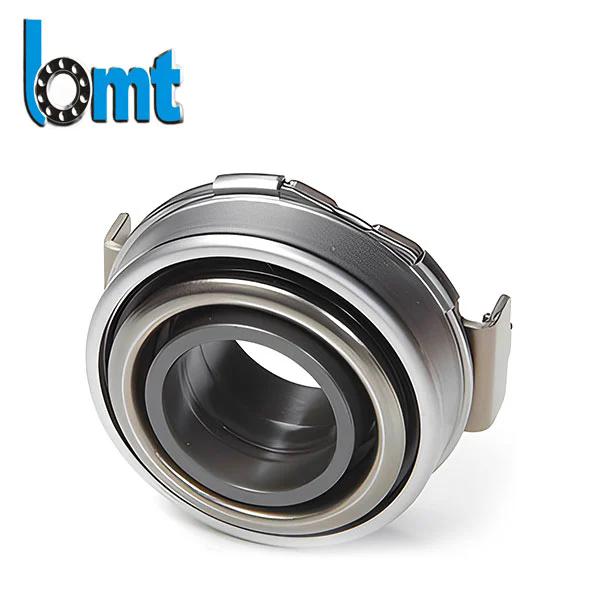
Table of Contents
- 1. What Is a Clutch Release Bearing?
- 2. How Does a Clutch Release Bearing Work?
- 3. Why Is a High-Quality Clutch Release Bearing Important?
- 4. What Problems Can a Damaged Clutch Release Bearing Cause?
- 5. How to Choose the Right Clutch Release Bearing?
- 6. How Can You Extend Clutch Release Bearing Service Life?
- 7. Frequently Asked Questions
1. What Is a Clutch Release Bearing?
A clutch release bearing, also known as a clutch throw-out bearing, is a mechanical bearing installed between the clutch fork and the pressure plate assembly. Its main function is to transfer the force generated by the clutch pedal into the clutch mechanism while allowing rotational movement between different components.
During normal driving, the engine continuously rotates while the transmission system needs to connect and disconnect power smoothly. The clutch release bearing helps control this process by reducing friction and allowing the pressure plate to move efficiently when the driver presses the clutch pedal.
Although the clutch release bearing is relatively small compared with other automotive components, its operating environment is demanding. It must withstand repeated engagement cycles, high rotational speed, temperature changes, and mechanical pressure. Therefore, manufacturing precision and material quality directly influence vehicle reliability.
Modern vehicles require clutch components that provide smooth operation, low noise, and long service intervals. A well-designed clutch release bearing helps reduce unnecessary wear throughout the entire clutch system and improves overall driving experience.
2. How Does a Clutch Release Bearing Work?
Understanding how a clutch release bearing operates helps vehicle owners and engineers recognize why this component is so important. The working process involves coordination between the clutch pedal, clutch fork, release bearing, pressure plate, and clutch disc.
| Operating Stage | Component Movement | Function of Clutch Release Bearing |
|---|---|---|
| Clutch Pedal Released | The pressure plate remains engaged with the clutch disc. | The bearing stays in its resting position while the engine power is transmitted. |
| Clutch Pedal Pressed | The clutch fork pushes the release bearing forward. | The bearing applies force to the pressure plate diaphragm spring. |
| Gear Change Process | The clutch disc separates from the flywheel. | The bearing allows smooth disengagement and reduces friction. |
| Clutch Pedal Released Again | The clutch system reconnects. | The bearing returns smoothly for continuous operation. |
The key challenge for a clutch release bearing is balancing load capacity and smooth rotation. If internal components are manufactured inaccurately, excessive friction may occur, resulting in noise, heat buildup, and premature failure.
High-quality bearings usually use carefully selected materials, optimized internal structures, and advanced production processes to maintain stable performance under demanding conditions. Ningbo Demy (D&M) Bearings Co., Ltd. focuses on producing reliable bearing solutions designed to meet different automotive application requirements.
3. Why Is a High-Quality Clutch Release Bearing Important?
A clutch release bearing directly affects driving comfort, maintenance costs, and vehicle performance. Selecting a dependable bearing is not only about replacing a damaged part but also about preventing future mechanical issues.
- Smoother Gear Shifting: A precise bearing structure allows the clutch system to engage and disengage smoothly, reducing resistance during gear changes.
- Reduced Operating Noise: High-quality bearings minimize vibration and abnormal sounds caused by friction or uneven movement.
- Longer Service Life: Durable materials and accurate manufacturing help the bearing withstand repeated clutch operations.
- Lower Maintenance Frequency: Reliable clutch components reduce unexpected repair requirements and vehicle downtime.
- Improved Driving Experience: A properly functioning release bearing contributes to smoother pedal response and better vehicle control.
For vehicle manufacturers, repair companies, and distributors, choosing a stable bearing supplier is an important decision. Product consistency, technical capability, and quality control all play a role in achieving dependable results.
4. What Problems Can a Damaged Clutch Release Bearing Cause?
A clutch release bearing works continuously whenever the clutch pedal is operated. Over time, wear caused by friction, insufficient lubrication, contamination, or excessive operating pressure may reduce its performance. Recognizing early warning signs can help prevent more expensive clutch system repairs.
Many drivers ignore unusual clutch noises because the vehicle may still operate normally at the beginning of a failure. However, continued use of a worn release bearing can affect other clutch components, including the pressure plate and clutch fork.
| Problem Symptom | Possible Cause | Recommended Action |
|---|---|---|
| Whining or Grinding Noise When Pressing the Clutch Pedal | Internal bearing wear or damaged rolling elements. | Inspect the release bearing and replace it if necessary. |
| Heavy or Difficult Clutch Pedal Operation | Increased friction inside the bearing assembly. | Check clutch system components and bearing condition. |
| Vibration During Gear Changes | Uneven bearing movement or improper engagement. | Examine the clutch mechanism for alignment problems. |
| Abnormal Heat Around the Clutch Area | Excessive friction caused by bearing failure. | Perform a complete clutch system inspection. |
Common causes of clutch release bearing failure include:
- Continuous High Load Operation: Vehicles frequently used in heavy traffic or commercial transportation conditions may experience faster wear.
- Poor Manufacturing Precision: Incorrect dimensions or unstable materials can reduce bearing durability.
- Improper Installation: Incorrect assembly may create uneven pressure and accelerate damage.
- Contaminated Lubrication Environment: Dust, moisture, or foreign particles may affect internal bearing movement.
- Incorrect Clutch Adjustment: Excessive contact pressure can shorten bearing service life.
Replacing a damaged clutch release bearing at the right time protects the complete clutch system. Ignoring early symptoms may result in additional repair costs because other components are forced to operate under abnormal conditions.
5. How to Choose the Right Clutch Release Bearing?
Selecting a suitable clutch release bearing requires more than simply matching a vehicle model. Customers need to consider application conditions, load requirements, manufacturing quality, and supplier reliability.
For automotive manufacturers, wholesalers, and maintenance providers, a dependable bearing supplier can provide technical support and consistent product performance. Ningbo Demy (D&M) Bearings Co., Ltd. develops bearing products with attention to precision manufacturing, durability, and practical application needs.
| Selection Factor | Why It Matters |
|---|---|
| Material Quality | High-quality materials improve wear resistance and operating stability. |
| Manufacturing Accuracy | Precise dimensions ensure proper installation and smooth operation. |
| Load Capacity | The bearing must withstand repeated clutch engagement forces. |
| Operating Environment | Different vehicles require bearings suitable for specific temperature and working conditions. |
| Supplier Experience | Experienced manufacturers provide more reliable products and technical assistance. |
Before purchasing a clutch release bearing, customers should evaluate the following questions:
- Is the bearing compatible with the target vehicle or mechanical application?
- Does the manufacturer provide stable quality control during production?
- Can the supplier support customized requirements?
- Does the product offer sufficient durability for the intended working environment?
- Is technical support available when installation or application problems occur?
A reliable clutch release bearing should provide consistent performance throughout its service life. Choosing the correct product helps reduce downtime, improve vehicle efficiency, and create long-term value for customers.
6. How Can You Extend Clutch Release Bearing Service Life?
Although clutch release bearings are designed for durability, proper operation and maintenance habits can significantly influence their lifespan. Drivers and maintenance professionals can reduce unnecessary wear by following practical guidelines.
- Avoid Keeping the Clutch Pedal Partially Pressed: Resting the foot on the clutch pedal can create continuous contact pressure and increase bearing wear.
- Use Smooth Clutch Operation: Sudden engagement and aggressive shifting can place additional stress on the clutch system.
- Perform Regular Inspections: Checking unusual noises or changes in pedal feeling allows early detection of problems.
- Replace Related Components When Necessary: When replacing a clutch assembly, inspecting the release bearing helps avoid repeated labor costs.
- Select Reliable Replacement Parts: High-quality components provide better durability and reduce unexpected failures.
Maintenance is especially important for vehicles operating in demanding conditions such as frequent city driving, heavy transportation, or environments with high temperature and dust exposure.
A professional bearing manufacturer understands that every application has different requirements. Through engineering improvements and strict production management, Ningbo Demy (D&M) Bearings Co., Ltd. helps customers obtain dependable clutch release bearing solutions suitable for various automotive needs.
7. Frequently Asked Questions
Q1: How long does a clutch release bearing usually last?
The service life depends on vehicle type, driving habits, operating environment, and product quality. A high-quality bearing used under normal conditions can provide reliable long-term performance, while frequent clutch operation may accelerate wear.
Q2: Can a vehicle continue driving with a noisy clutch release bearing?
A vehicle may continue operating for a short period, but ignoring unusual sounds is not recommended. A damaged bearing can affect other clutch components and increase repair costs.
Q3: What causes clutch release bearing noise?
Noise is commonly caused by internal wear, insufficient lubrication, damaged rolling elements, or excessive mechanical stress. Professional inspection can identify the exact cause.
Q4: Is the clutch release bearing replaced together with the clutch kit?
In many repair situations, the clutch release bearing is replaced at the same time as the clutch disc and pressure plate. Since accessing the clutch system requires significant labor, replacing related worn components together can help reduce future maintenance costs and improve overall system reliability.
Q5: What should customers consider when buying clutch release bearings in bulk?
Bulk buyers should evaluate product consistency, manufacturing capability, delivery reliability, technical support, and supplier experience. A stable supplier can help distributors and automotive businesses maintain product quality and meet customer expectations.
Q6: Why is bearing precision important for clutch applications?
Clutch release bearings operate under repeated mechanical movement and pressure. Even small manufacturing deviations can create uneven loading, vibration, or premature wear. Precision production helps ensure smooth rotation, proper fitting, and dependable performance.
Conclusion: Choosing the Right Clutch Release Bearing for Reliable Vehicle Operation
The clutch release bearing may be a compact component, but its role in the vehicle transmission system is extremely important. It ensures smooth clutch engagement, supports comfortable gear changes, and helps protect other clutch components from unnecessary stress.
When a clutch release bearing fails, drivers may experience noise, vibration, difficult shifting, and increased maintenance requirements. Selecting a durable bearing and following proper operating habits can significantly improve vehicle reliability and reduce unexpected downtime.
For businesses searching for dependable bearing solutions, working with an experienced manufacturer is an important step. Ningbo Demy (D&M) Bearings Co., Ltd. provides professional bearing products designed with attention to quality, precision, and application performance. With suitable product selection and reliable technical support, customers can achieve better results in automotive repair, manufacturing, and distribution applications.
Whether you need standard clutch release bearings or customized bearing solutions for specific requirements, choosing the right partner can make a significant difference in long-term performance. Contact Ningbo Demy (D&M) Bearings Co., Ltd. today to discuss your clutch release bearing requirements and get professional support. Please contact us for more information and reliable bearing solutions tailored to your business needs.
Related News
- How Can Ball Bearing Steel Balls Improve Precision, Durability, and Machinery Performance
- How Can BAA-0003 Agricultural Hub Units Improve the Reliability of Modern Farm Equipment
- Why Are GW208PPB5 Square Bore Agricultural Bearings Built for Demanding Farm Machinery
- How Can W208PP10 Round Bore Agricultural Bearings Improve the Reliability of Heavy-Duty Farm Machinery
- Why Are 206KRRB6 Hex Bore Series Agricultural Bearings a Smart Choice for Demanding Farm Machinery
- Why Are BAA-0003 Agricultural Hub Units a Smart Choice for Demanding Farm Machinery
Leave me a message