
News
Track BMT’s journey, including our 2024 recognition as a Growth Enterprise and expansions into global markets. Expert analysis for industry professionals.
 07 2026-02
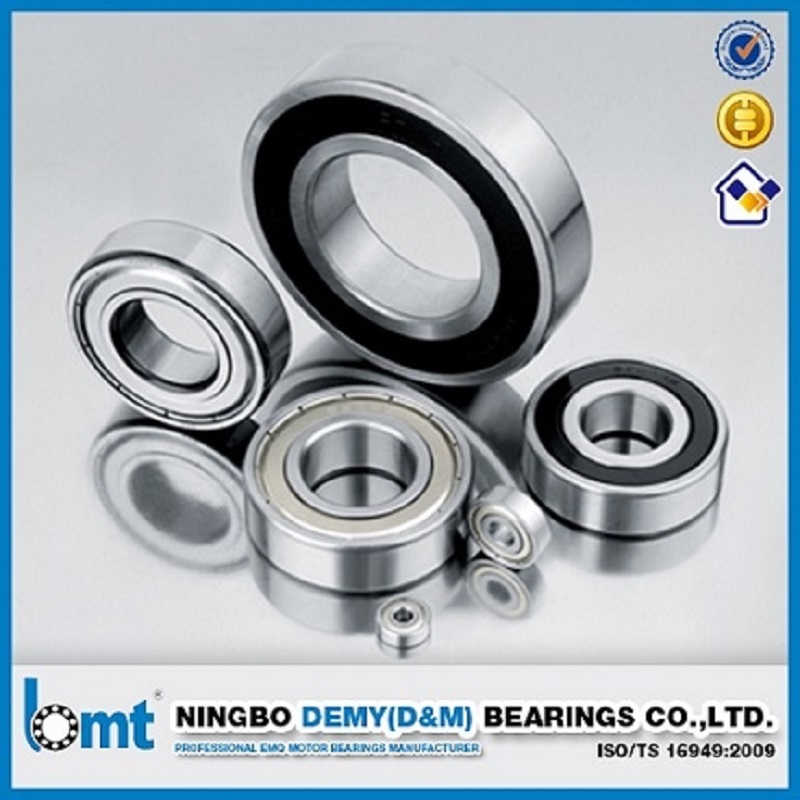
 How to use this product correctly?
Electric vehicles are fast, convenient, green, and environmentally friendly, making them very popular. More and more people are choosing electric vehicles as their preferred mode of transportation because they are effortless and powerful! Due to frequent riding and friction, bearings are inevitably prone to failure.
 07 2026-02
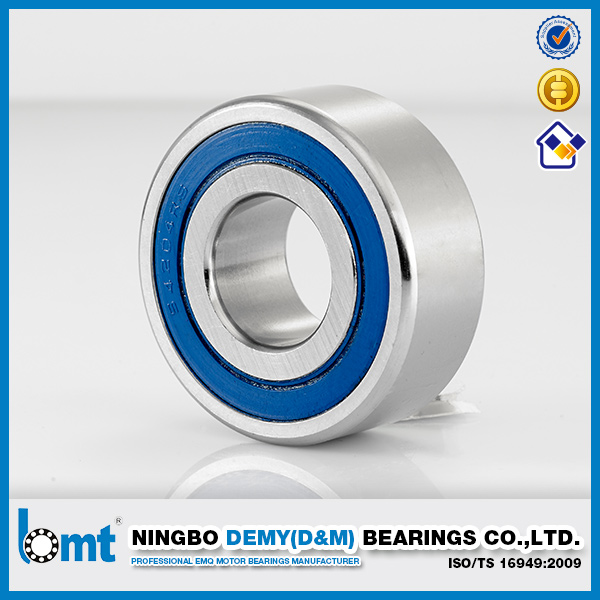
 Bearings: the "Food of the Machinery Industry"
Bearings are known as the "food of the machinery industry" and are an important part widely used in various machines.
 05 2026-02
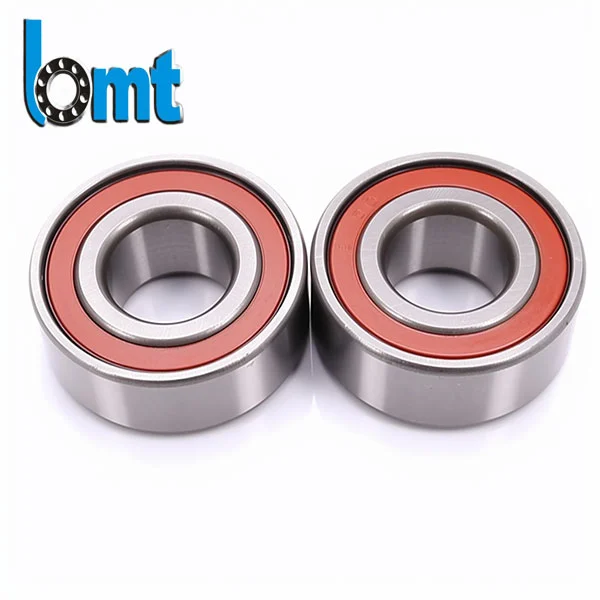
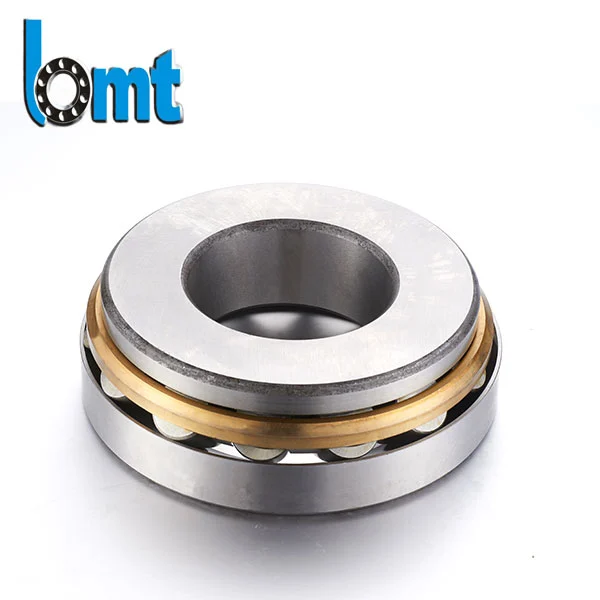
 How Do Double Row Angular Contact Ball Bearings Handle Combined Loads Better Than Single Row Bearings
Double Row Angular Contact Ball Bearings are widely recognized for their superior ability to handle combined axial and radial loads in demanding industrial applications. Compared with single row bearings, their unique internal structure provides enhanced stiffness, higher load capacity, and improved operational stability.
 03 2026-02
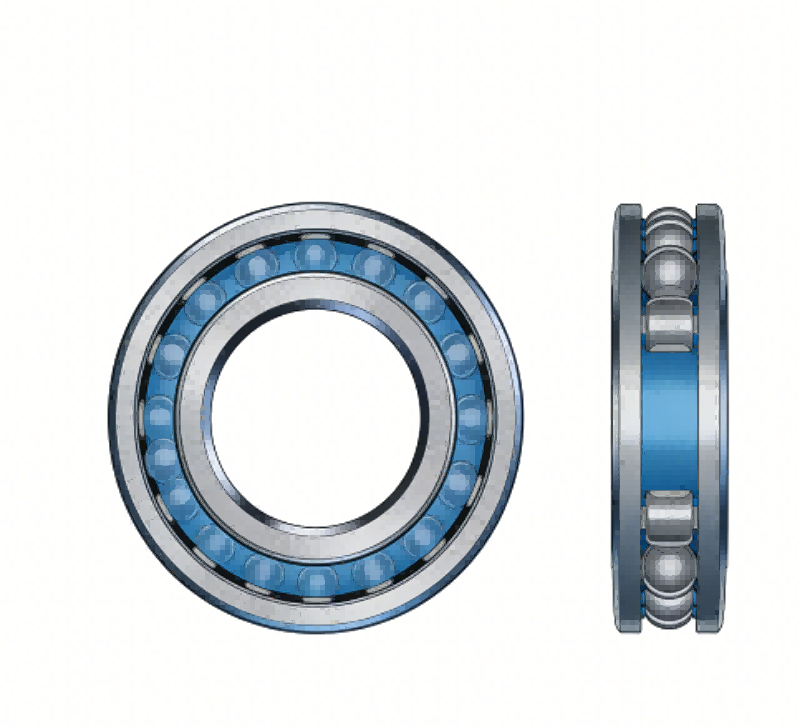
 What Are Spherical Roller Bearings and Why Are They Essential for Heavy-Duty Applications
Spherical Roller Bearings are a critical component in modern industrial machinery, especially in applications involving heavy loads, shaft misalignment, and harsh operating conditions. This in-depth guide explains what spherical roller bearings are, how they work, their structural advantages, and why industries worldwide rely on them for durability and performance. Drawing on engineering principles and industry practices, this article also explores selection tips, applications, maintenance strategies, and why manufacturers like BMT play a vital role in supplying reliable bearing solutions.
 28 2026-01
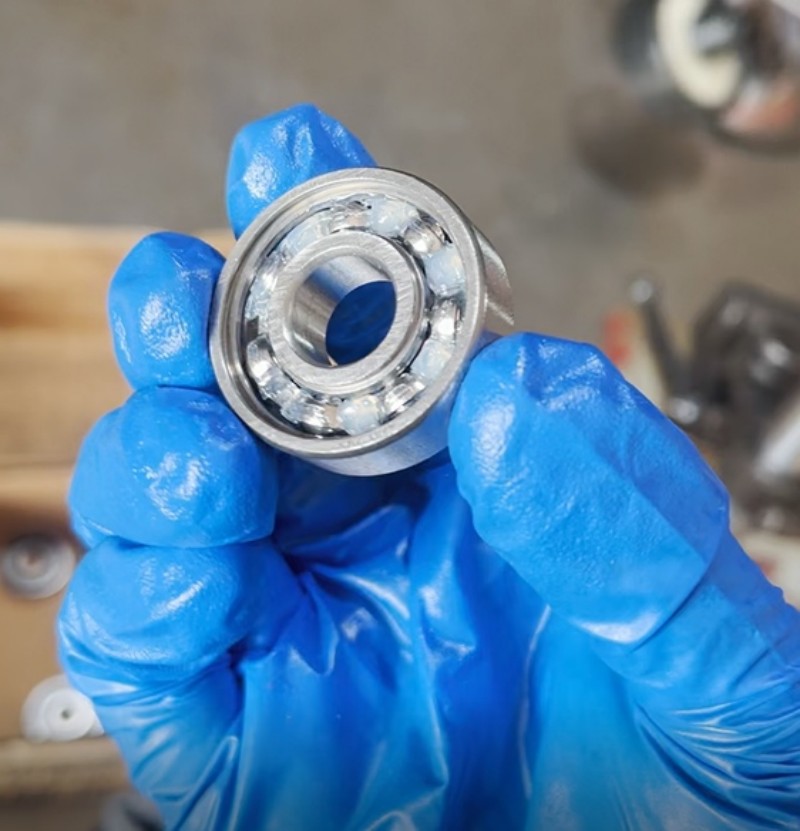
 When a bearing fails, which symptom appears first: heat, vibration, or noise?
When a bearing fails, which symptom appears first: heat, vibration, or noise? Many field engineers have encountered this dilemma. In reality, these three phenomena originate almost simultaneously from the source of the failure—when spalling, wear, or other damage occurs on the bearing raceway or rolling elements, the change in contact conditions simultaneously triggers vibration, frictional heat, and sound waves. However, in on-site monitoring, we often only detect one or two of these signs first, which is closely related to the signal propagation characteristics and detection methods.
 28 2026-01
 How to Determine Bearing Problems Through Grease Color Changes?
During storage and use, lubricants sometimes undergo changes in their properties due to various factors, and color change is one of the most easily noticeable changes. Therefore, mechanical engineers often ask whether the color change of lubricating grease can be used to determine whether the machinery or bearing is operating normally. In fact, such a judgment is very difficult.