
News
Track BMT’s journey, including our 2024 recognition as a Growth Enterprise and expansions into global markets. Expert analysis for industry professionals.
 23 2025-12
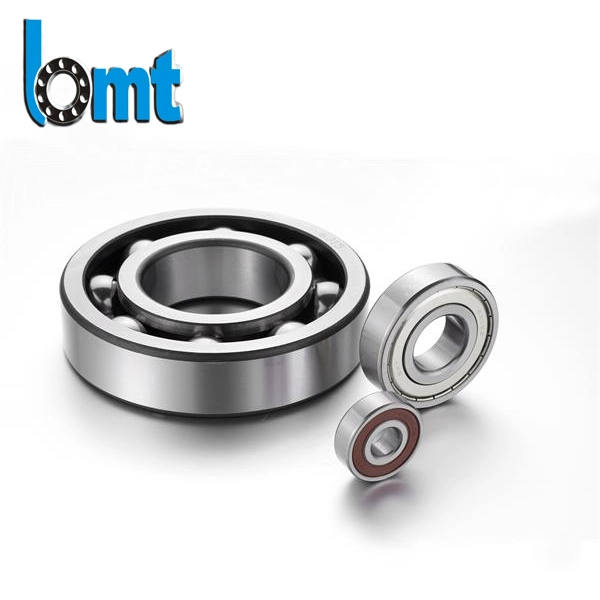
 What Makes Deep Groove Ball Bearings Essential for Modern Machinery?
Deep groove ball bearings are among the most widely used rolling bearings in the global mechanical and industrial sector. Known for their simple structure, high rotational speed capability, low friction, and long service life, they are indispensable components in electric motors, automotive systems, industrial equipment, household appliances, and precision instruments. This article provides an in-depth, professional, and authoritative overview of deep groove ball bearings, exploring their design, performance advantages, application scenarios, selection criteria, and future trends.
 15 2025-12
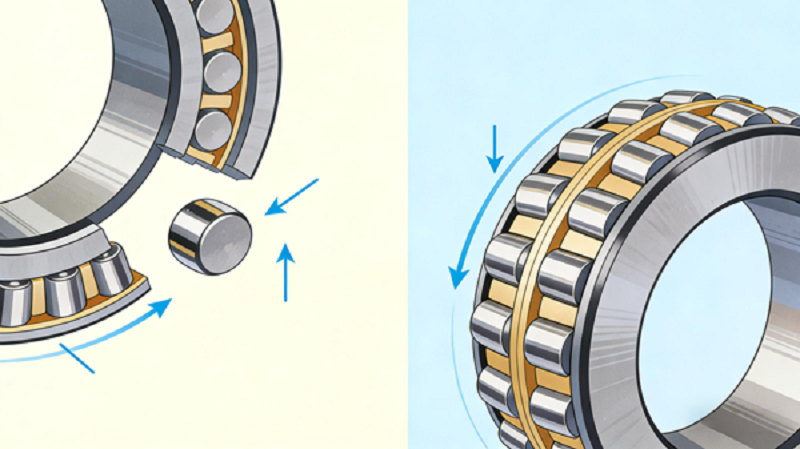
 Motor Noise Part : Normal Bearing Sound vs Abnormal Noise – Can You Tell the Difference?
Even with advanced manufacturing technology, bearings inevitably generate noise—a fundamental relationship between their inherent vibration and sound. This occurrence of vibration and sound does not necessarily indicate a performance issue or imminent failure. The key is distinguishing between normal operational sounds and signals of abnormality.
 09 2025-12
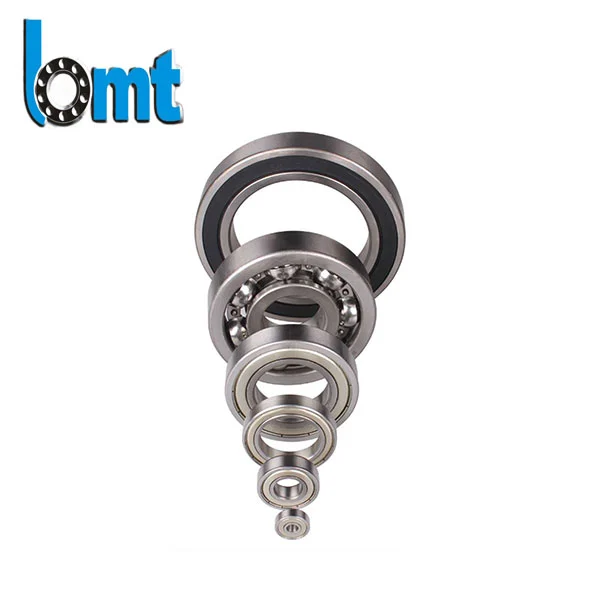
 What Are the Most Reliable Motorcycle Wheel Bearings for Smooth, Safe Riding?
Motorcycle wheel bearings may be small components, but they play one of the most essential roles in ride stability, handling accuracy, braking performance, and long-term durability of your wheels. A high-quality set of Motorcycle Wheel Bearings ensures your wheels spin freely, reduces friction, prevents wobbling, and protects your motorcycle against unnecessary wear.
 05 2025-12
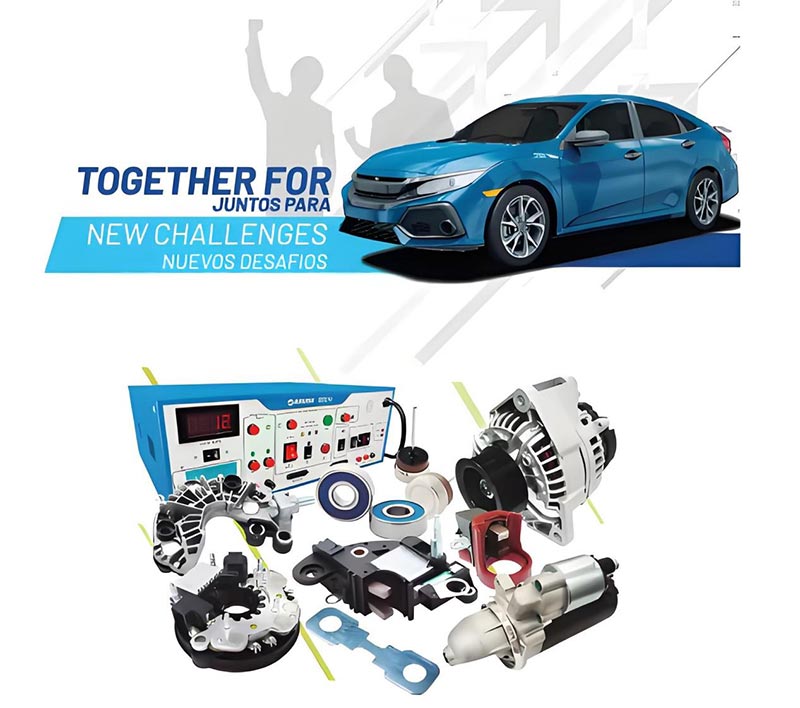
 BMT Precision Bearings: Building our future of mobility, rotation by rotation
In the fast-breaking world of automotive engineering, where everything is about making things go fast, use less gas, and be safe, each part has to work perfectly. In the centers of engines, in the cores of drivetrains, in the key places of chassis systems, there lie these precise bearings that speak quietly but profoundly and do much.
 05 2025-12
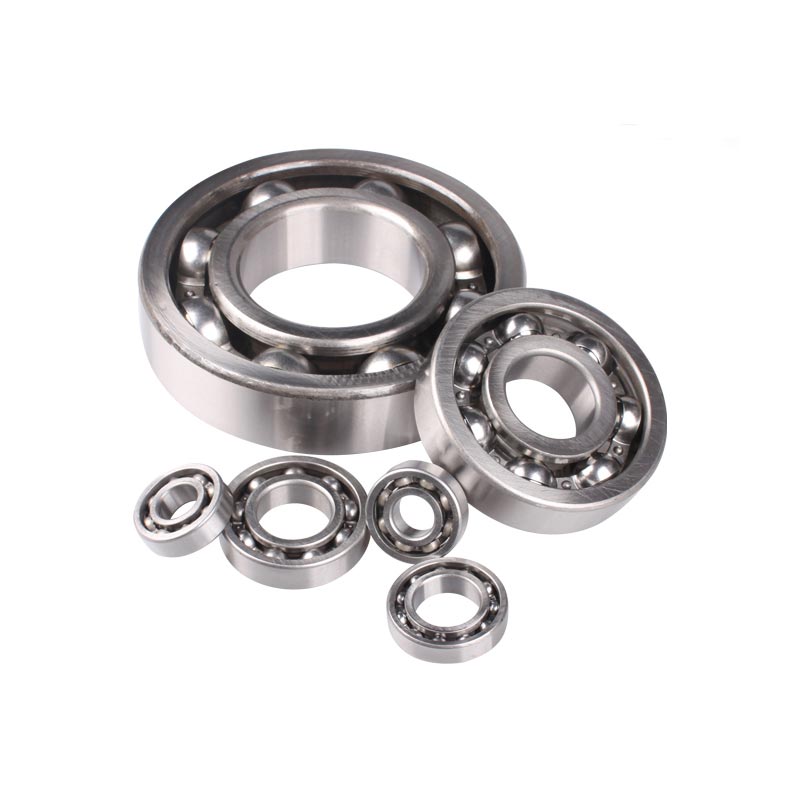
 Have you ever experienced a bearing lubrication error?
In the industrial field, bearings are known as "mechanical joints" and are the cornerstone of smooth operation of countless devices.Therefore, lubrication is the "blood" for the survival of bearings.Not only does it reduce friction and wear, but it also plays a key role in heat dissipation, rust prevention, sealing and cleaning.
 04 2025-12
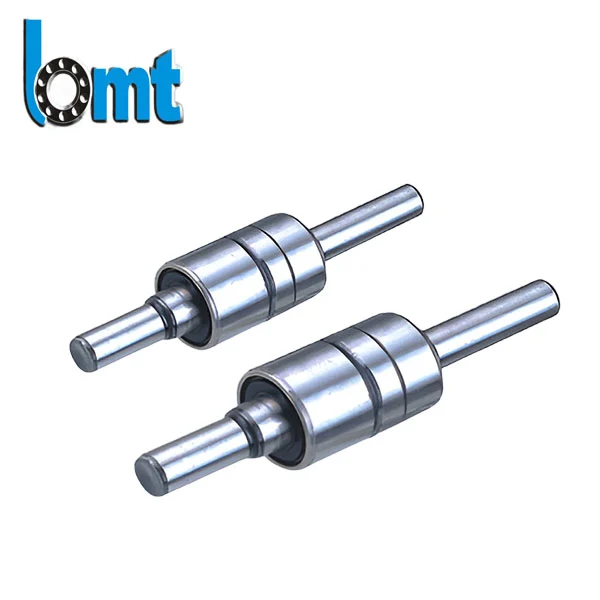
 What Makes High-Performance Water Pump Bearings Essential for Reliable Pump Systems?
Water pump bearings play a critical role in ensuring stable, long-lasting, and efficient pump operation across automotive, industrial, and agricultural systems. A well-designed bearing reduces friction, supports radial and axial loads, and ensures continuous rotation—even under high temperature and high-speed conditions. When selecting Water Pump Bearings, understanding their construction, performance parameters, and advantages is key to improving system reliability. Ningbo Demy (D&M) Bearings Co., Ltd. offers precision-engineered solutions designed for demanding environments, providing enhanced durability and consistency.