
Industry News
 28 2026-01
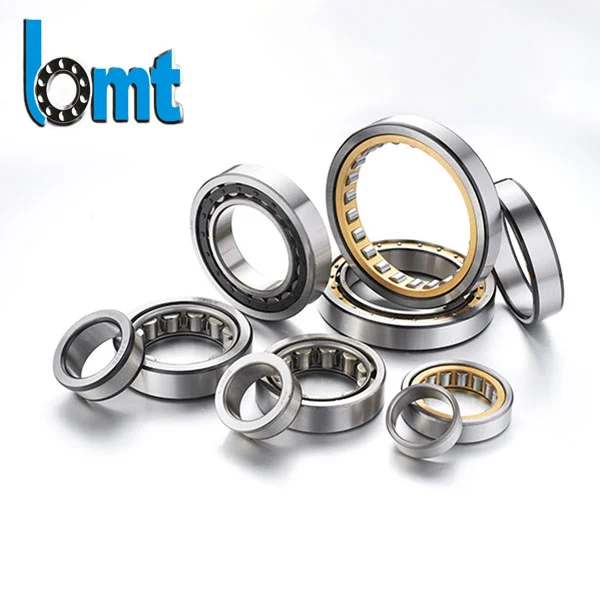
 Which Type of Cylindrical Roller Bearing Is Best for Your Industrial Application
Cylindrical roller bearings are widely recognized for their exceptional radial load capacity, high stiffness, and suitability for demanding industrial environments. However, choosing the right type of cylindrical roller bearing is not always straightforward. With multiple designs such as NU, NJ, NUP, N, and NF series, each offering unique structural and performance advantages, selecting the optimal bearing requires a clear understanding of application conditions.
 26 2026-01
 How Do You Choose the Best Motorcycle Wheel Bearings for Your Bike
Motorcycle wheel bearings are small components that play a critical role in riding safety, handling stability, and overall performance. Choosing the right motorcycle wheel bearings is not just about size compatibility — it involves understanding materials, sealing types, load ratings, riding conditions, and maintenance requirements.
 22 2026-01
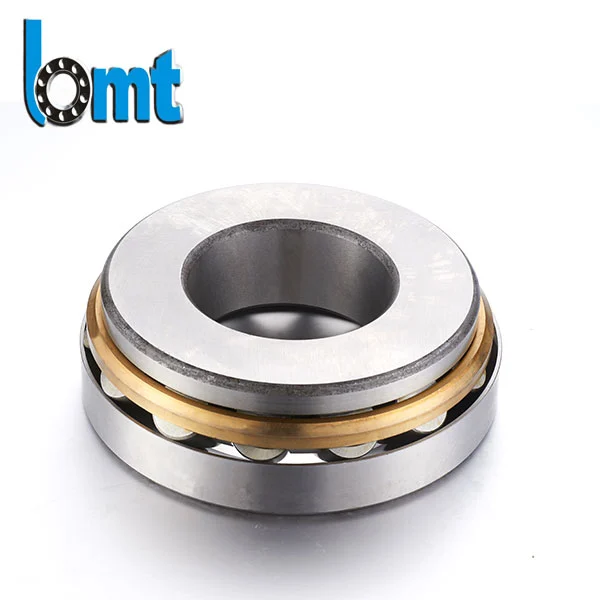
 Why Are Spherical Roller Thrust Bearings Essential for Industrial Applications
Spherical Roller Thrust Bearings play a crucial role in modern industrial machinery. With the ability to handle heavy axial loads, accommodate slight shaft misalignment, and deliver reliable long-term performance, these bearings are indispensable across industries. In this article, we explore their technical features, applications, advantages, maintenance tips, and answer frequently asked questions for engineers and procurement specialists.
 19 2026-01
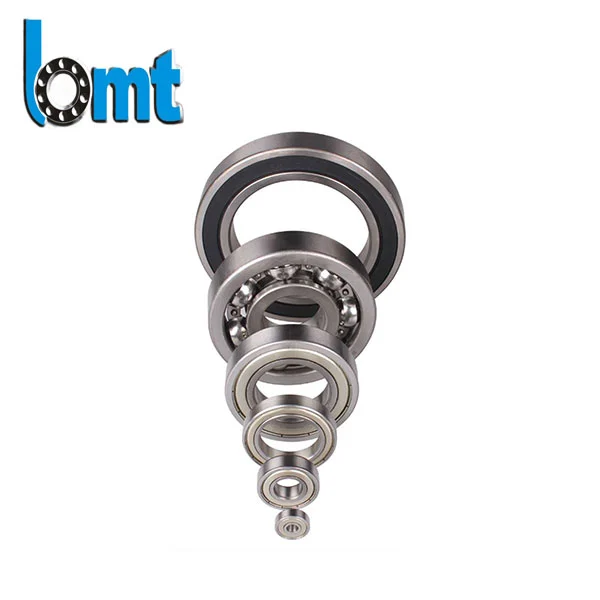
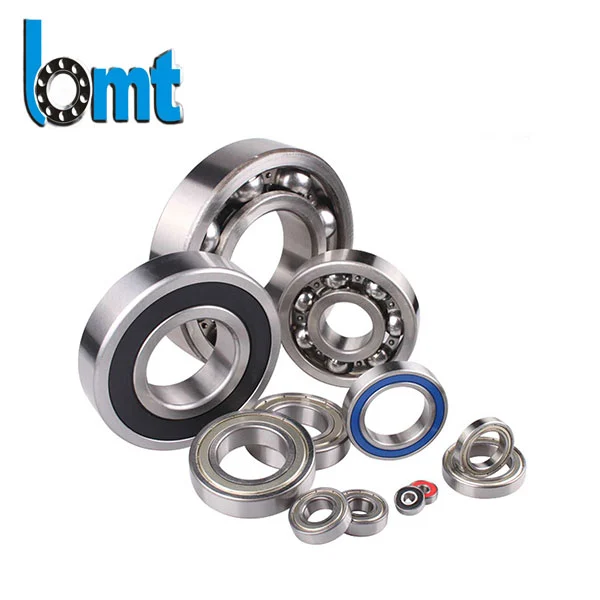
 Why Are Deep Groove Ball Bearings the Most Widely Used Bearings in the World
Deep groove ball bearings are known for their versatility, durability, and cost-effectiveness. They can support both radial and axial loads, operate at high speeds, and require minimal maintenance. This article explains why these characteristics make them the most popular bearing choice worldwide, how they compare to other bearing types, and how to select the right one for your application.
 15 2026-01
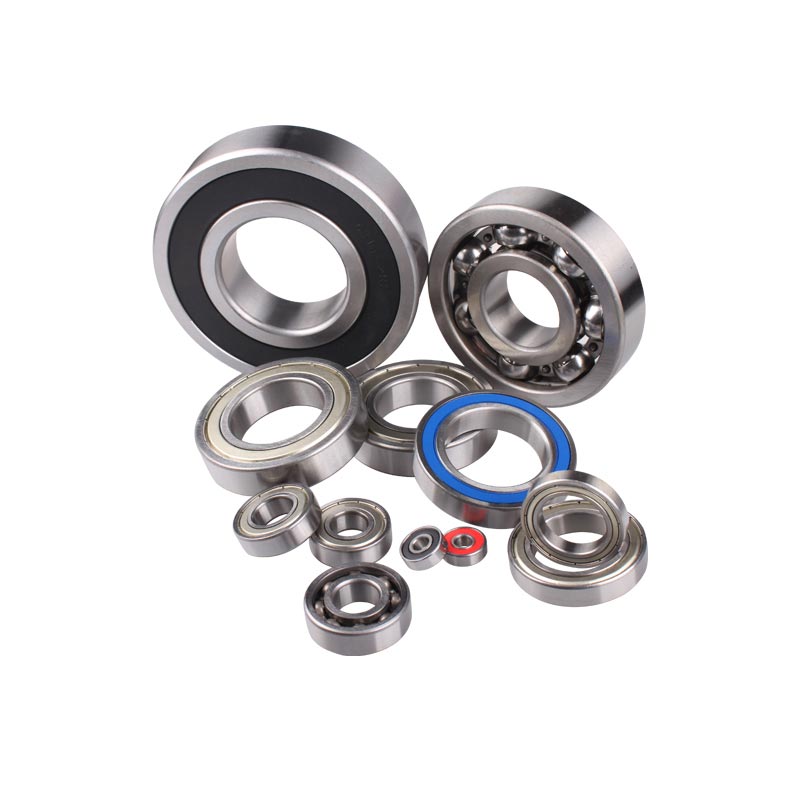
 Bearing Noise - Can Replacing the Bearings Solve the Problem?
Motor noise is one of the most common problems plaguing motor engineers and users. For both motor manufacturers and users, a common approach is to simply replace the faulty part. Therefore, the method we often use in the field is to replace the bearings if they are noisy.
 15 2026-01
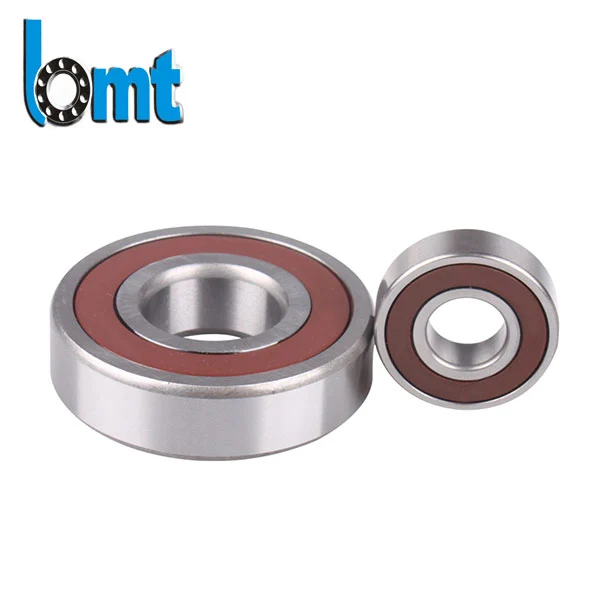
 How Does a Motorcycle Crankshaft Bearing Affect Engine Performance and Lifespan
A motorcycle crankshaft bearing plays a fundamental role in supporting crankshaft rotation, reducing friction, and maintaining engine stability under high-speed and high-load conditions. This in-depth guide explains how crankshaft bearings directly influence engine performance, efficiency, vibration control, and long-term durability. You will also learn about bearing types, failure causes, maintenance tips, and how to select the right bearing for your motorcycle engine, with industry insights from BMT.